
Climate activist Sonam Wangchuk has expressed support for the Cockroach Janta Party’s (CJP) protest in Delhi and why he will not be attending in person. Currently in Ladakh, Wangchuk is busy in preparation for the approaching winter and working on water security and reducing the threat of GLOFs in the high Himalayas.
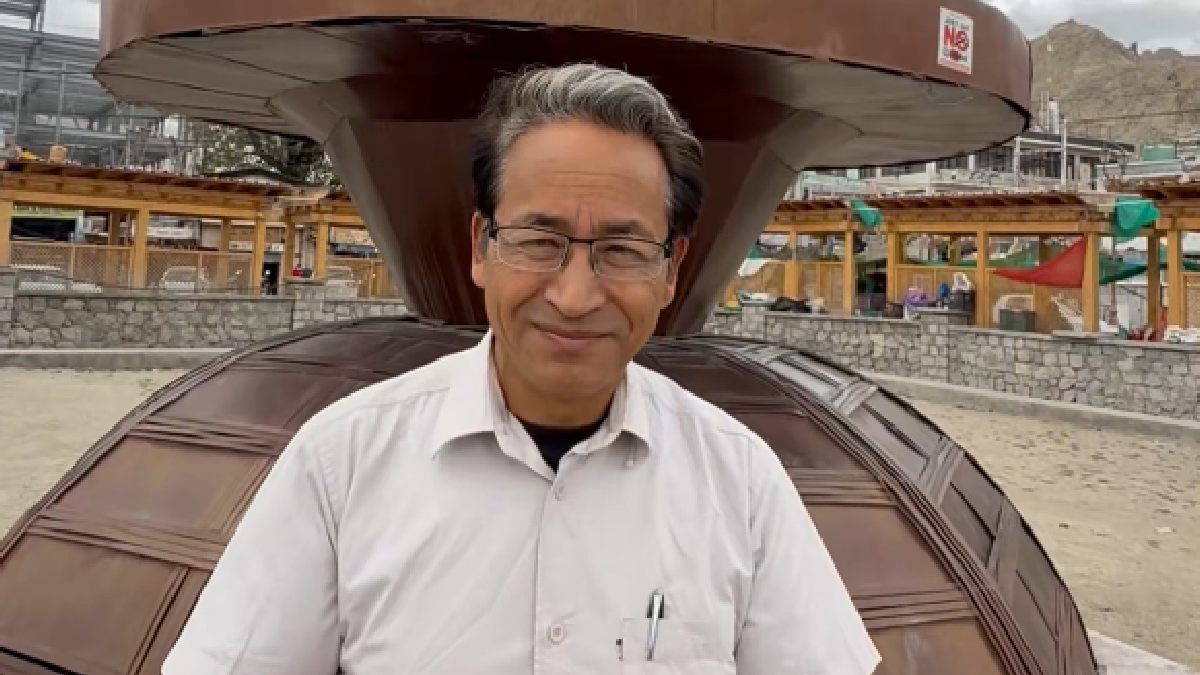
Wangchuk said in an X video that despite government pressure to interfere with and damage his work, he and his team continue to work on issues of national security and the environmental problems in the region. His immediate focus is on preparing for the harsh winter in Ladakh and water conservation and disaster preparedness work.
“WHY I WON’T BE ABLE TO JOIN YOU ALL IN DELHI...!” Wangchuk wrote in his post, explaining his absence from the protest. He also mentioned efforts to make artificial glaciers and to do experiments around GLOF security, and emphasized the dangers associated with glacial lakes in the Himalayan region.
The work will include the creation of artificial glaciers to increase water availability and testing of systems to identify the risks of more than 200 potentially dangerous glacial lakes in the high Himalayas, Wangchuk says. He called such hazards “ticking water bombs” and stressed that water security and disaster prevention are essential to mountain communities.
Glacial lake outburst floods happen when water that is stored in glacial lakes is suddenly released, and could send destructive volumes of water down the river. It can damage villages, roads, infrastructure and lives. In high altitude areas like Ladakh as well, changing conditions of glaciers and managing the limited water supply are of major importance in the situation.
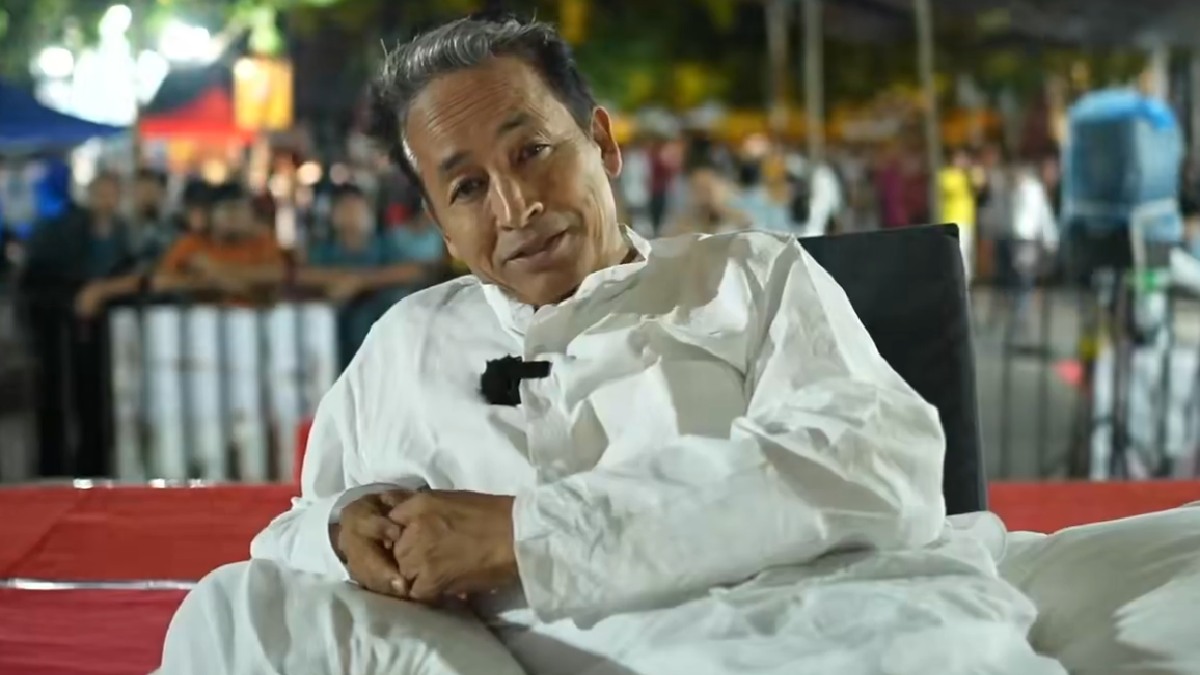
Artificial glaciers and water conservation techniques are among the efforts in the Himalayan region to make water available, especially in times when natural sources may not meet local needs. Wangchuk’s latest message puts these efforts in concert with the wider problem of preparing mountain communities for environmental risks.
As he explained his absence Wangchuk also relied on the words of the celebrated Pakistani poet Faiz Ahmad Faiz. Adapting a line from the poet he said: “Aur Bhi Gham Hain Zamaane Main Siyaast Ke Siva... Rahaten aur bhi hain wasl ki raahat ke siva.” The reference spoke to his point that political troubles are not enough; environmental and humanitarian problems in Ladakh are also important as well.
Wangchuk offered his wishes to those involved in the CJP protest and asked leaders from various groups to remain united. He told them to show statesmanship and called on young people in Generation Z to stay peaceful all through the demonstration.
He also referred to Mahatma Gandhi, saying he had tried to bring the spirit of peaceful protest to Jantar Mantar. Wangchuk told young protesters to be peaceful in all situations, and that non-violence was required when it comes to protest.
WHY I WON'T BE ABLE TO JOIN YOU ALL IN DELHI...! Despite all efforts of the government to hinder & damage our work we continue to work for national security... making preparations as another winter comes. This includes making artificial glaciers for water security & experiments for GLOF or glacial lake flood security... to difuse the 200+ ticking water bombs in high Himalayas. Adapting Faiz Sahab's words I would say... Aur Bhi Gham Hain Zamaane Main Siyaast Ke Siva... Rahaten aur bhi hain wasl ki raahat ke siva. Hence I send my bestest wishes to all & urge the leaders of different groups to stay united & show statesmanship, meanwhile I urge all the genZ friends to once again stay absolutely peaceful at all costs. This was the gift of Baapu that I tried to bring to Jantar Mantar in June, I hope we won't let Baapu down. #JantarMantar #protest #CJP #CEC #sonamwangchuk
— Sonam Wangchuk (@Wangchuk66) October 9, 2026
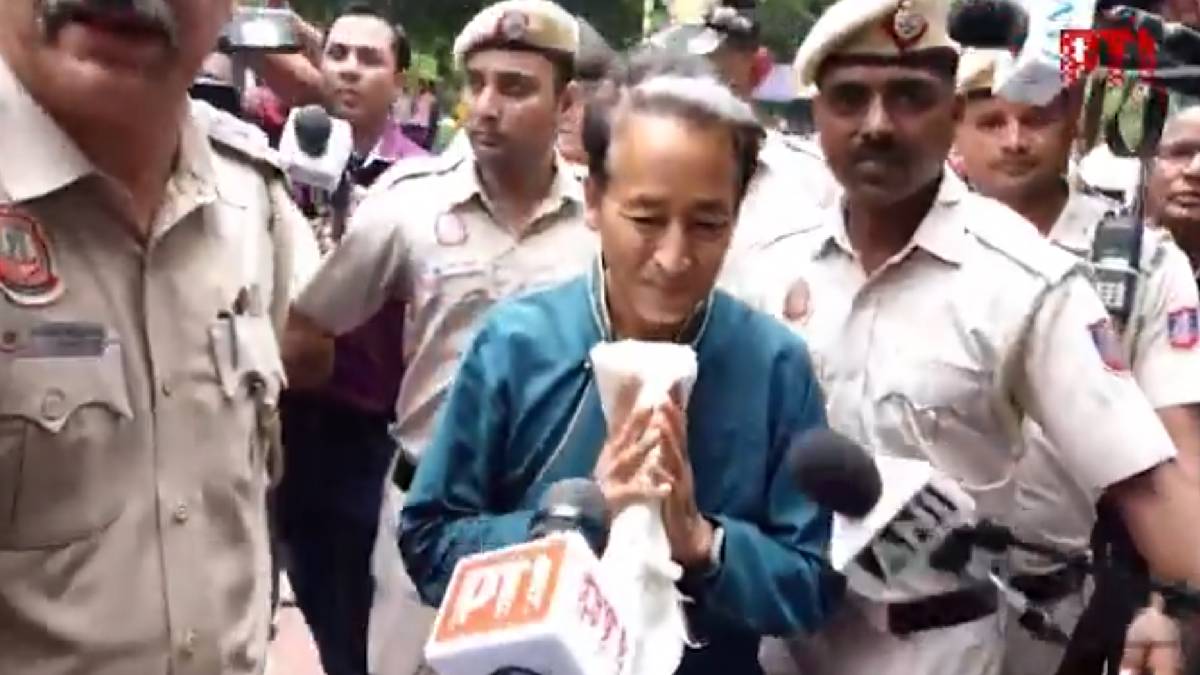
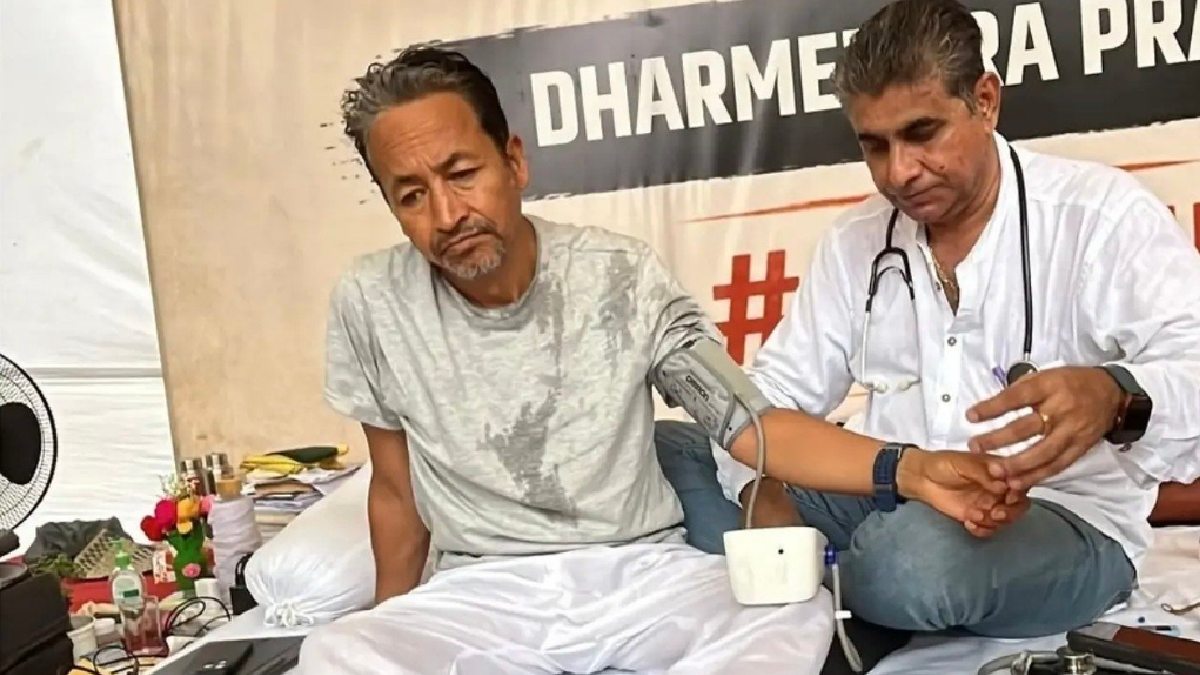
Wangchuk’s absence comes against the background of his previous involvement in the CJP-led agitation. He had been a prominent figure in the protest after a hunger strike on behalf of protesting students over the supposed NEET-UG 2026 paper leak. The earlier demonstration saw police remove him from the protest site and take him to Safdarjung Hospital after 26 days of fasting.
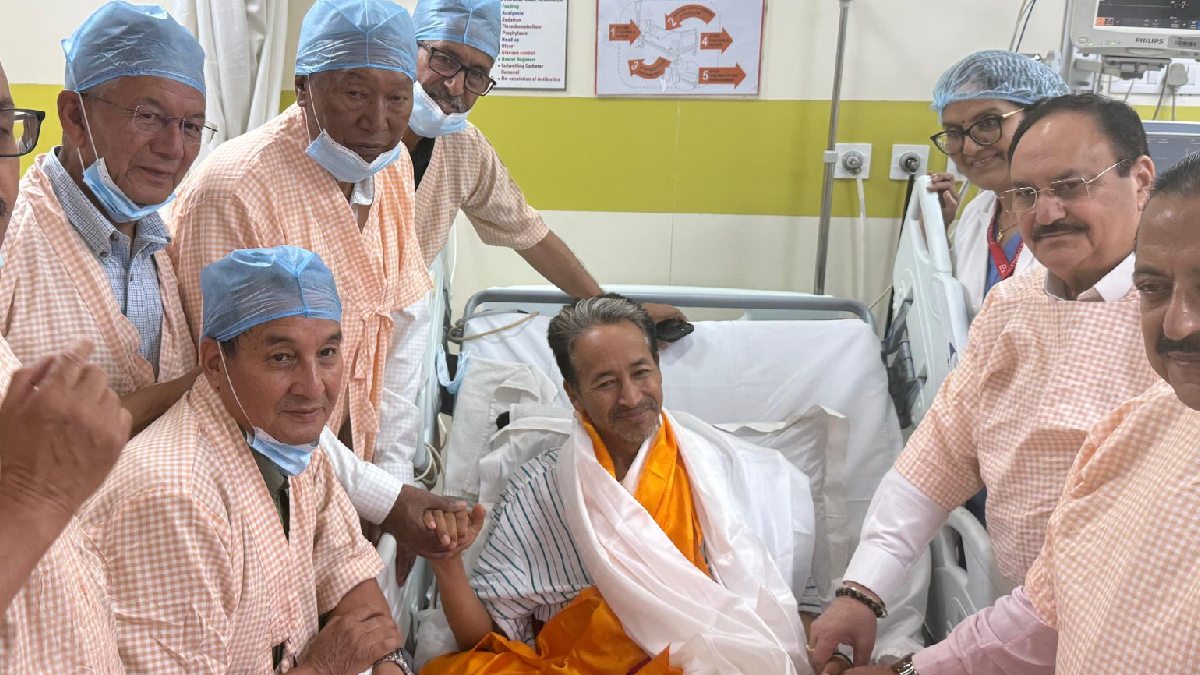
He ended his indefinite hunger strike on July 23 at a hospital in Gurugram, in the presence of Union ministers JP Nadda and Jitendra Singh. Wangchuk said he had decided to end the fast after a long-drawn out negotiation over various conditions and fears of violence.
He was taken to Medanta Hospital, where government representatives and CJP leadership reached out for help to complete the protest.
Wangchuk had also been detained under the National Security Act after the violence in Leh killed four people on September 26 last year. He was released from Jodhpur Central Jail in March this year after the Union Government decided to revoke his detention.
Wangchuk has also shown that he is not done at all in dealing with public issues although he hasn’t come to Delhi. He has pointed out the issues of artificial glaciers, the threat of water shortages, the release of massive glacial lake outburst floods that have implications for Ladakh and other high altitude Himalayan areas in the long term.
In addition to his support of the CJP protest, he calls for unity and peaceful demonstrations and calls for public action and not violence.




Comments
Leave a Comment