
AI is going to change the global workforce how people do their jobs in almost every industry.
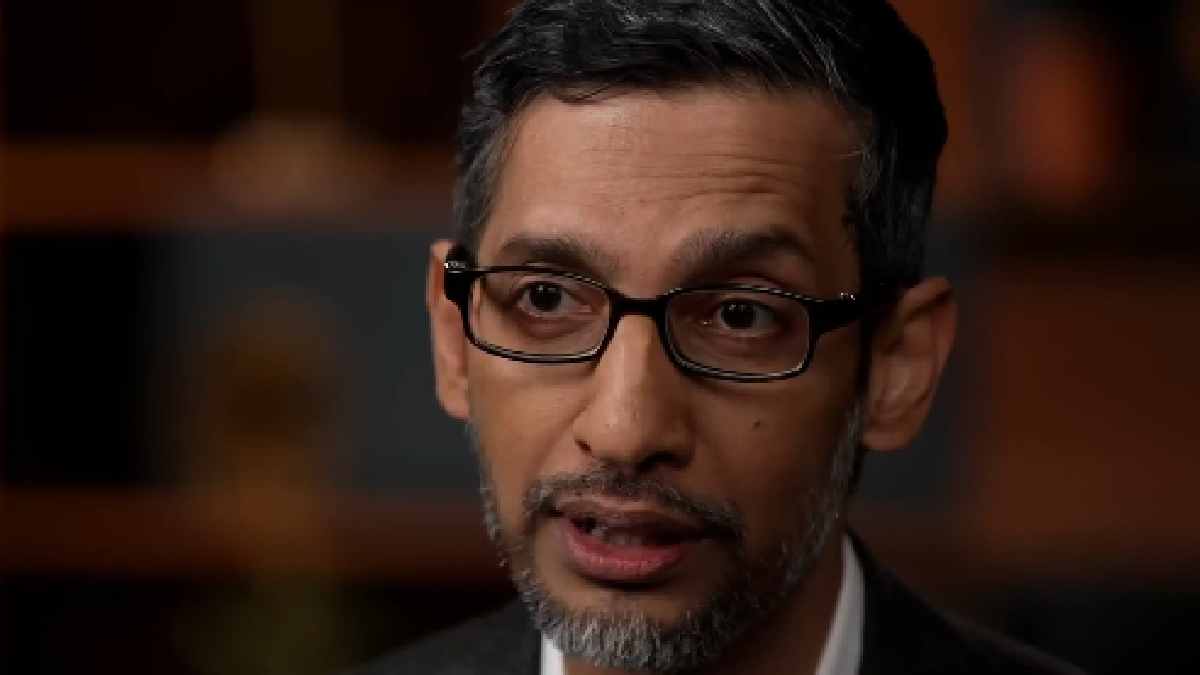
Google CEO Sundar Pichai has said previously that AI will impact professions from healthcare and education to writing, accounting, architecture and software development.
In an interview with CBS’s 60 Minutes in April 2023 Pichai said that rapidly developing AI technology could become part of everyday professional and personal activities. He said the technology would “touch almost every sector” and change how people work.
“AI will impact everything,” Pichai said when explaining what kinds of applications artificial intelligence could have.
One of his examples was in healthcare radiology specifically. Pichai said that five to ten years from now radiologists could have AI colleagues helping them out with their jobs.
“An AI assistant would help doctors prioritise cases, flag potentially serious conditions and point out details that might otherwise be missed during exams”, he said.
He also asked why professionals wouldn’t want to use such advanced assistance if it could improve their ability to do the job. His comments imply that AI could be a support tool for specialists rather than replace traditional working methods.
The impact is not going to be limited to healthcare alone. Pichai singled out knowledge based professions as areas that could be disrupted very significantly.
Writers, accountants, architects and software engineers are just some of the professions whose roles could change as AI systems become more capable. Already they can help write content; analyse information; prepare documents; design concepts; write computer code.
Sundar Pichai: AI will disrupt almost every profession, including doctors, writers, accountants, architects, and even software engineers. “AI will impact everything.” “Five to ten years from now, a radiologist will have an AI collaborator working alongside them.” “It may tell you which cases are most serious or point out something important you missed.” “Why wouldn't we take advantage of a super-powered assistant to help us across everything we do?” “You may be a student trying to learn math or history, and you'll have something helping you.” “Knowledge workers will be disrupted, including writers, accountants, architects, and software engineers.”
— Veee (@vikktorrrre) November 10, 2026
He wasn’t just talking about business: education too. Pichai pictured a future where students learning maths and history could have AI-powered systems helping them.
Such tools could offer personalised explanations, help students understand difficult concepts and support learning outside of the classroom.
But AI use also raises questions about employment, professional skills and the future of education. Machines will be able to do more complex tasks as well workers may need new skills and learn how to collaborate with AI systems.
Pichai wasn’t saying every profession would go away; he was pointing out how responsibilities and definitions of many jobs could change as technology is integrated into workplaces.
The discussion also speaks to a wider challenge for governments, businesses and education institutions: how to prepare people for a workforce in which human expertise and artificial intelligence are increasingly working together.
AI has opportunities to improve productivity and support decision-making but accuracy, accountability and responsible use are still questions.
Pichai’s comments highlight a big change in the future of work. Hospitals and classrooms to offices and tech companies AI could become as familiar a collaborator as we are to our desks. How professionals complete tasks will change not just how they do it but what skills they need to succeed.




Comments