
A major labour dispute has reportedly broken out in Surat, Gujarat when about 200 textile workers were sacked following protests over weekly holidays and against 12-hour working shifts. The incident has triggered serious concerns over working conditions, labour rights and treatment of migrant workers employed in one of India’s biggest textile manufacturing centres. Workers allegedly protested against what they called “exhausting hours” and no guaranteed weekly rest. The reported dismissals have also fuelled the controversy with labour organisations saying employees in textiles are being treated badly.
Surat is widely known as a major textile and diamond manufacturing centre of Gujarat. Textile processing units, weaving mills and industrial establishments are the employers of large workforce in Surat city. Many workers in the city’s textile industry are migrants from Bihar, Uttar Pradesh and Odisha states. According to the reported grievances several workers have been asked to work for more than 12 hours a day without guaranteed weekly holidays. Workers alleged that they were expected to work even on national festivals (like Independence Day) too. Demanding schedules and lack of rest reportedly made employees raise their voice against working conditions prevailing then.
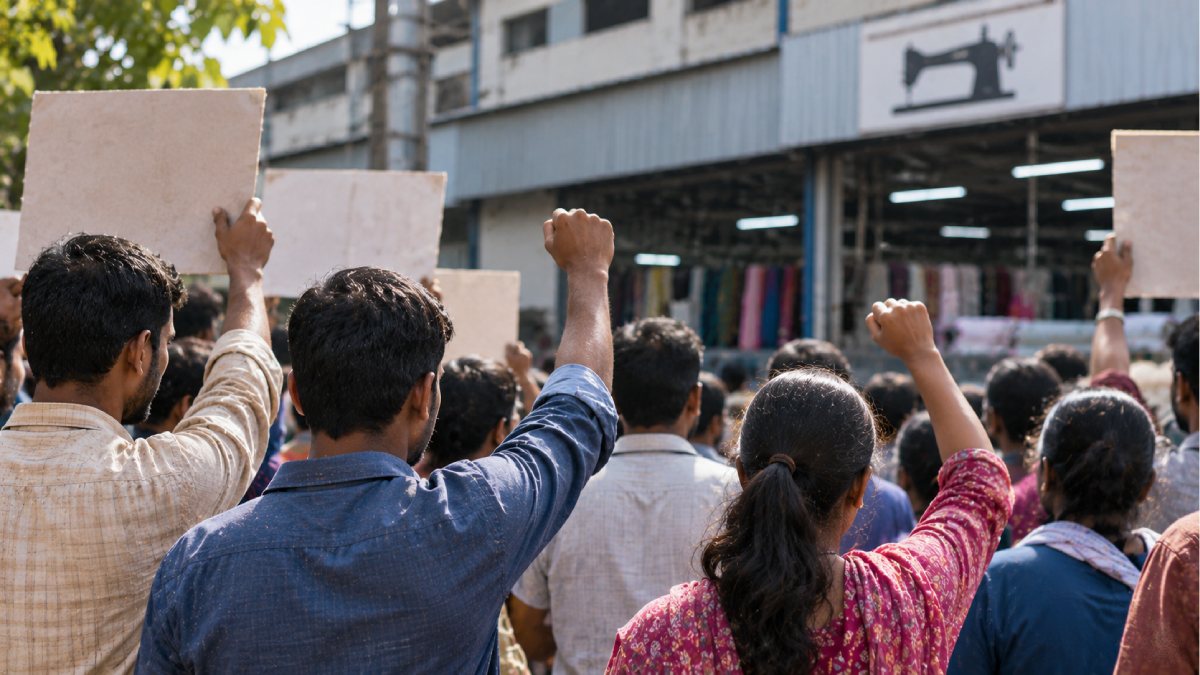
Protests began in August in Amroli area of Surat where textile workers reportedly started demanding better working conditions and a weekly day off. Demonstrations spread to several other industrial locations in the city (Anjana Industrial Estate, Katargam Sachin GIDC Pipodara Kadodara etc). Migrant workers from various parts of the country participated in the protests which showed that employees in textile sector were not happy. Their main demands were fixed weekly holiday, reasonable working hours and an end to making employees work continuously without sufficient rest.
As the demonstrations picked up pace, about 200 textile workers were reportedly sacked from their jobs. Affected employees were said to be very angry and emotional over the decision. Workers asked under what conditions they had to work for a living (excessive hours without basic workplace benefits), some even asked if they were not human beings who deserved rest and dignity. The dismissals have become a major bone of contention with employees and labour organisations saying that workers should not be sacked for demanding basic rights and better working conditions.
Meanwhile representatives of the textile industry have reportedly defended the dismissal of the protesting employees. Industry management said that meeting the workers’ demands may be economically unviable and may affect production operations as well. Textile businesses depend on continuous manufacturing to meet market demand; management reportedly said changes in working schedules (weekly holidays etc.) could reduce productivity. The management position has been criticised by labour organisations who say dismissals reported so far are unacceptable and workers haven’t had enough rest either.
The controversy has again focused attention on labour welfare and employment in India’s industrial sector. Workers’ organisations have said long working hours without rest can affect employees’ physical health, mental health and quality of life; it has questioned implementation of labour laws and protection for migrant workers who often depend on industrial employment for livelihood. Employers may have production cost and business operations problems but workers’ rights activists say fair working conditions and rest should be part of employment too.
The reported dismissal of around 200 textile workers in Surat has therefore become a labour issue in Gujarat. The protests reflect the growing demand among industrial workers for better employment conditions (predictable weekly holidays and reasonable working hours); dialogue between employers, workers and labour authorities needed to address concerns of employees while sustaining industrial operations; and that textile workers’ working conditions in Surat are an important issue for labour organisations as well as industry stakeholders. As controversy continues to hog limelight, working conditions of textile workers in Surat remain a matter of concern for labour organisations and industry stakeholders.






Comments