
Sri Lankan President Gotabaya Rajapaksa has approached the country’s Supreme Court for protection from arrest under anti-terrorism laws in connection with the investigation into the 2019 Easter Sunday bombings. This comes just a few days after a previous legal challenge by the former president was dismissed by the Court of Appeal.
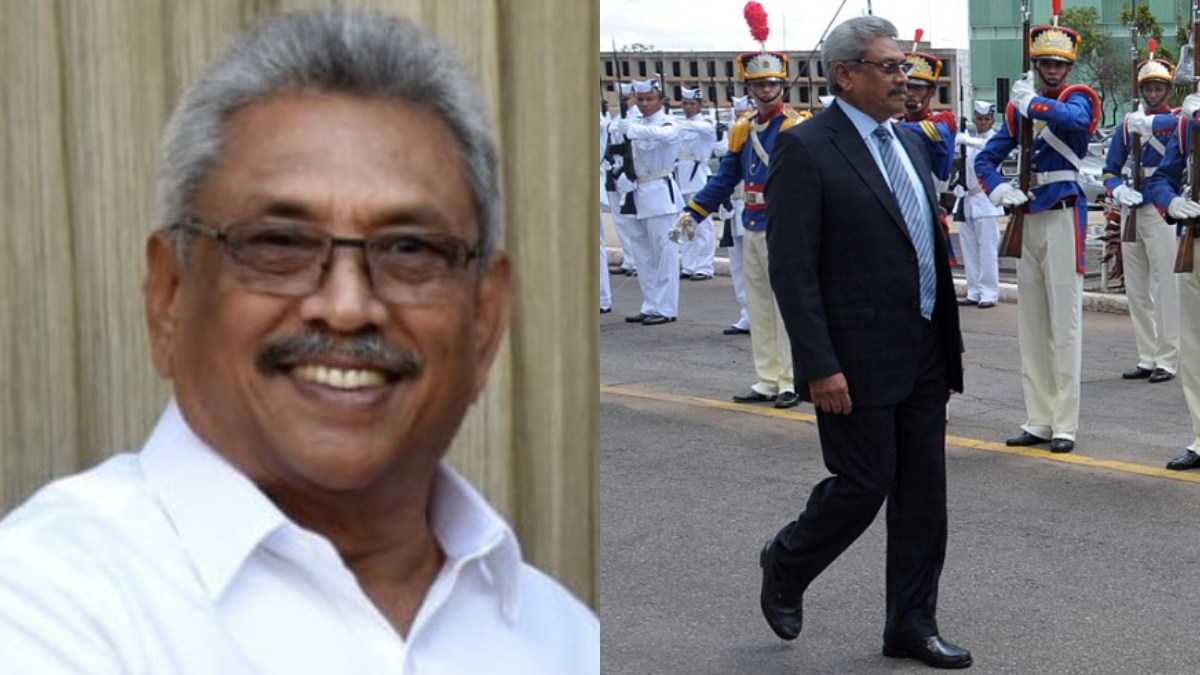
The case has only reignited the investigation into one of Sri Lanka’s deadliest attacks and the question of accountability for the tragedy.
Why Has Gotabaya Rajapaksa Approached the Supreme Court?
Rajapaksa’s latest move follows the dismissal of his earlier writ petition by the Court of Appeal on October 1, 2026. That petition sought an order preventing the Criminal Investigation Department (CID) from arresting or detaining him under the Prevention of Terrorism Act.
The former president’s lawyers had challenged the grounds for possible arrest and argued that there was insufficient justification for restricting his movements in connection with the investigation.
The state had previously told the court it could not guarantee Rajapaksa would not be arrested. After the dismissal of his petition, he approached the Supreme Court seeking further legal protection.
The latest petition is the next stage in the legal process surrounding the investigation. It does not, by itself, mean that Rajapaksa has been arrested or found guilty of a crime.
What Is the Easter Sunday Bombings Case?
The investigation concerns the coordinated suicide bombings carried out on April 21, 2019, in Sri Lanka. The attacks hit three churches and three luxury hotels, killing nearly 270 people, including 11 Indians, and injuring more than 500 others.
The bombings were carried out by nine suicide bombers associated with the local Islamist extremist group National Thowheeth Jama’ath, which was linked to the Islamic State group.
The attacks had great emotional impact and raised serious questions about whether authorities had acted on intelligence warnings received prior to the attacks.
Victims’ families and survivors are still looking for answers to how the attacks happened and why officials did not take any preventive action.
Rajapaksa's Presidency and Political Background
Sri Lanka had Gotabaya Rajapaksa as president from 2019 until 2022. His presidency ended in a period of extreme economic crisis and mass public protests.
Demonstrators demanded his resignation over economic hardship, shortages of essential goods, and government response to the crisis. Rajapaksa did resign in July 2022.
The former president is now under renewed scrutiny as investigators continue to probe questions about the Easter Sunday attacks. The legal proceedings have become part of a broader public debate over accountability and the handling of the investigation.
What Happens Next?
The Supreme Court will be able to determine for Rajapaksa the next stage of his legal challenge. The outcome will be based on the court’s assessment of the petition and the law.
The families of the victims are still in the grip of the investigation years after the bombings. And the case also illustrates Sri Lanka’s perennial problems with accountability and public trust in its institutions.
It is important to distinguish between a request for protection from arrest and a finding of criminal guilt. Rajapaksa’s latest legal move doesn’t tell us whether he can be arrested in relation to the investigation; the filing itself does not establish his involvement in the attacks.




Comments
Leave a Comment