
The Nobel Peace Prize is one of the most eagerly awaited prizes of the year and, given the current political climate, the decision could be very much in the spotlight in Washington. Donald Trump has repeatedly expressed his desire to win the Nobel Peace Prize - so the Norwegian Nobel Committee is expected to make a decision in the midst of ongoing international conflicts and diplomatic turbulence.
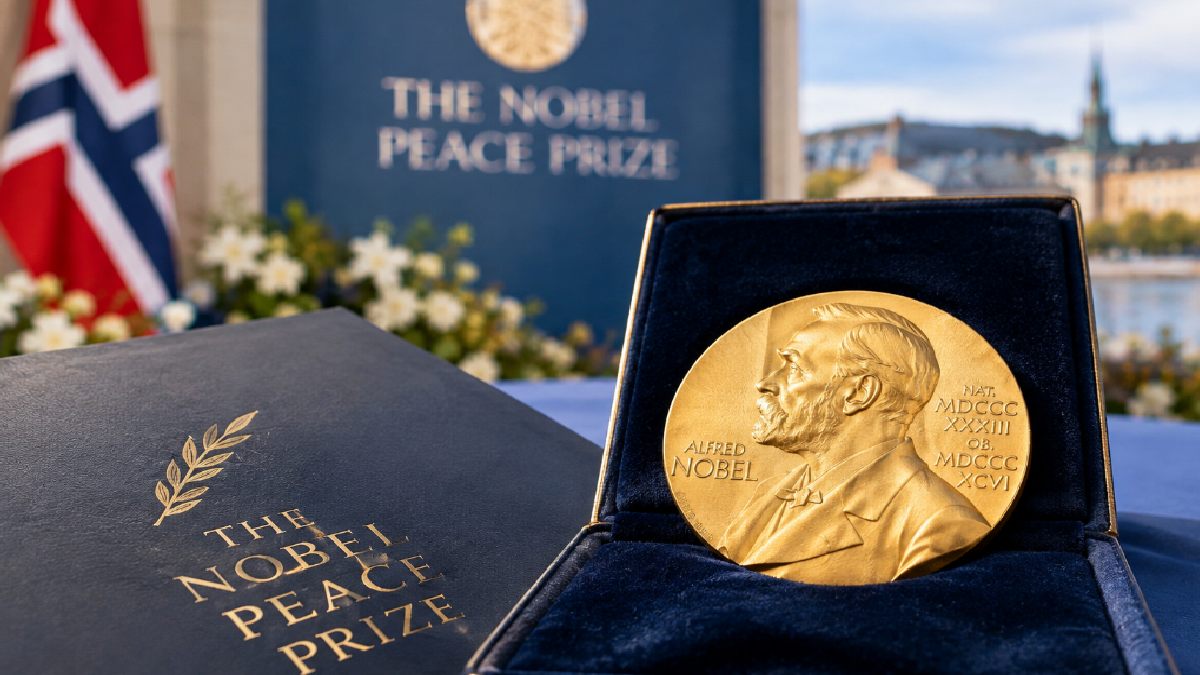
The winner will be declared at 11 am local time in Oslo, Norway at the Norwegian Nobel Institute. A total of 287 individuals and organisations have been nominated for the Nobel Peace Prize in 2026. The identities of the nominees are kept under wraps for 50 years after the Nobel nomination, so those experts and observers can conjecture about potential contenders.
Trump has made clear in public that his diplomacy efforts deserve international recognition. He has claimed credit for ending a number of conflicts and has claimed that not awarding him the Nobel prize would discredit the Nobel Committee. These claims and his perpetual appeals for recognition have added a political dimension to the annual announcement.
But the award is made by the Norwegian Nobel Committee, not by the US government. The committee’s decision can be political regardless of the recipient, especially if the laureate’s work conflicts with policies of the Trump administration.
Why The Nobel Peace Prize Matters To The White House
The Nobel Peace Prize honors people and organisations that have made significant contributions to peace. Its recipients have included diplomats, human rights advocates, humanitarian organisations and leaders involved in efforts to resolve conflicts.
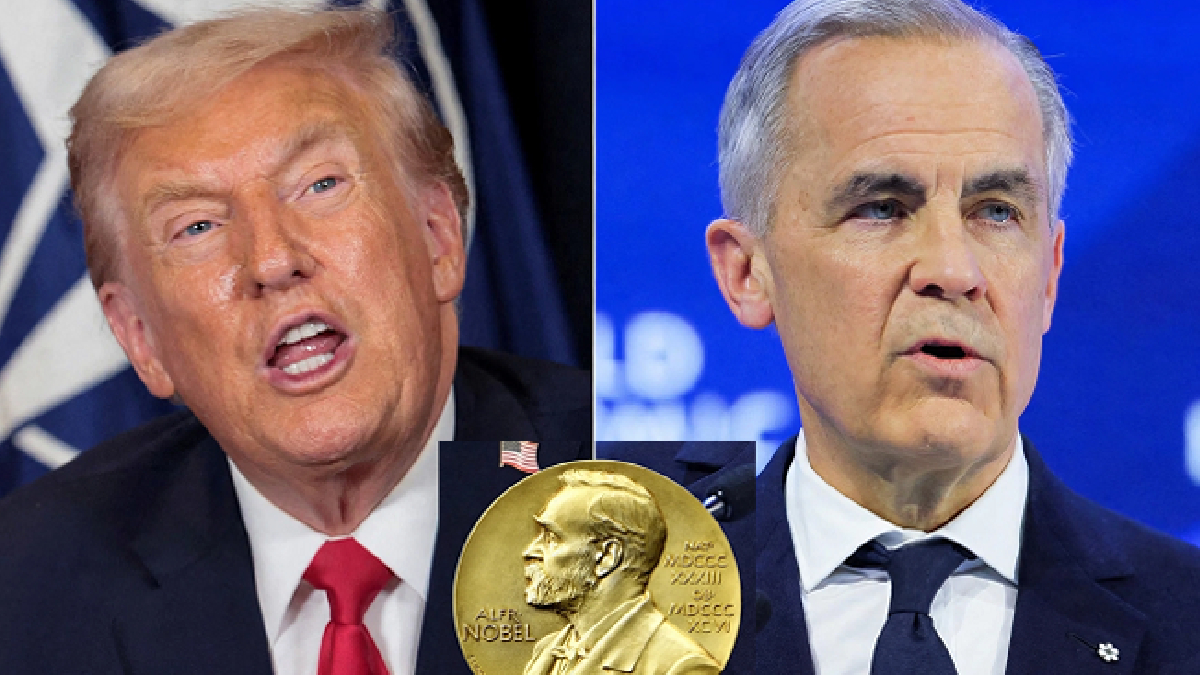
This year’s decision comes in the midst of debates over international security, migration, territorial ambitions, press freedom and multilateral institutions. Critics of Trump’s policies have pointed to some of these issues when asking if he is fit for the award, and the president has pointed out some of his diplomatic achievements.
The Peace Research Institute Oslo (PRIO) has also raised concerns about the possible consequences of the committee’s decision. In a statement, PRIO head Haakon Gjerlow said, “we have to think of whether this decision would expose a recipient to negative consequences and what would be the response from the White House as well.”
Such concerns point to how special the award has come to be. But the Nobel Committee is supposed to make its own decision but the political climate means the announcement could become part of a larger debate over US foreign policy and international diplomacy.
Who could win the Nobel Peace Prize?
Many humanitarian and peacebuilding candidates have attracted Nobel observers’ attention. Among the possibilities are Save the Children, which works to protect children and to help vulnerable communities, and Mykola Kuleba, a Ukrainian child rights advocate who is fighting for the return of children taken to Russia during the war.
Another potential competitor may be Sudan’s Emergency Response Rooms (ERR), a network of volunteers that are working with the victims of conflict, displacement and hunger to provide assistance to people in the event of conflict, displacement and hunger. It has been noted for humanitarian work in a country with a long-term crisis.
Karim Haggag, head of the Stockholm International Peace Research Institute (SIPRI), has also supported recognition of the Emergency Response Rooms. He has emphasised the scale of humanitarian suffering in Sudan and the risk that the conflict would be overlooked by the international community.
A prize for humanitarian work or child protection would receive widespread international backing. But the committee’s final decision should remain confidential until the final day of the event and predictions of potential winners should not be treated as fact.
Could the Committee choose a more controversial Laureate?
The committee could also identify those people or organisations whose work has made them at odds with governments or powerful political power players. The names discussed by observers include Francesca Albanese, the United Nations Special Rapporteur for the occupied Palestinian territories; Pope Leo XIV; and the Committee to Protect Journalists, which champions for press freedom and journalists’ safety.
International courts like the International Criminal Court (ICC) and the International Court of Justice (ICJ) also have been mentioned as potential candidates.
A decision to recognise press freedom, international justice or advocacy on the Palestinian territories could lead to political debate in Washington. But the committee’s rationale for selecting a laureate would be based on the contributions to peace, not how it might be received by any particular government.
The committee has maintained that external pressure does not determine its deliberations. Secretary Kristian Berg Harpviken has said that international reactions can be discussed but they don’t influence the discussions and decisions made by the committee.
A Prize With A Long And Changing History
First awarded in 1901, the Nobel Peace Prize has evolved as a result of changing international issues. Agence France-Presse has pointed out that the focus of the award has shifted from peace efforts to human rights and related issues and even to the Cold War.
The prize has become one of the world's most prominent international honours, often bringing attention to conflicts and humanitarian crises that would otherwise receive little coverage. Its recipients have been individuals and organisations involved in mediation, disarmament, democracy, humanitarian relief and the protection of fundamental rights.
The Nobel Peace Prize is accompanied by a diploma, gold medal and monetary award. The laureate is usually honored at a ceremony on December 10, on the anniversary of Alfred Nobel’s death.
As the world awaits the announcement, the committee's choice will be judged not only for the work recognised but for the larger message it sends about peace, human rights and international cooperation.
Whether the selection of the recipient creates tensions at the White House remains uncertain, but Trump’s public campaign for the award has ensured that the decision will attract attention far and wide beyond Oslo and will have an international impact.



Comments
Leave a Comment