
Trump has said the United States will not attack Iran before the November 2026 midterm elections, a stop in the way of further military escalation as the United States and Tehran still discuss the conflict. He said on October 8 that the U.S. administration is engaged in productive discussions with Iran. As the nation heads towards November 3’s elections, the war in the U.S. is more imminent than ever.
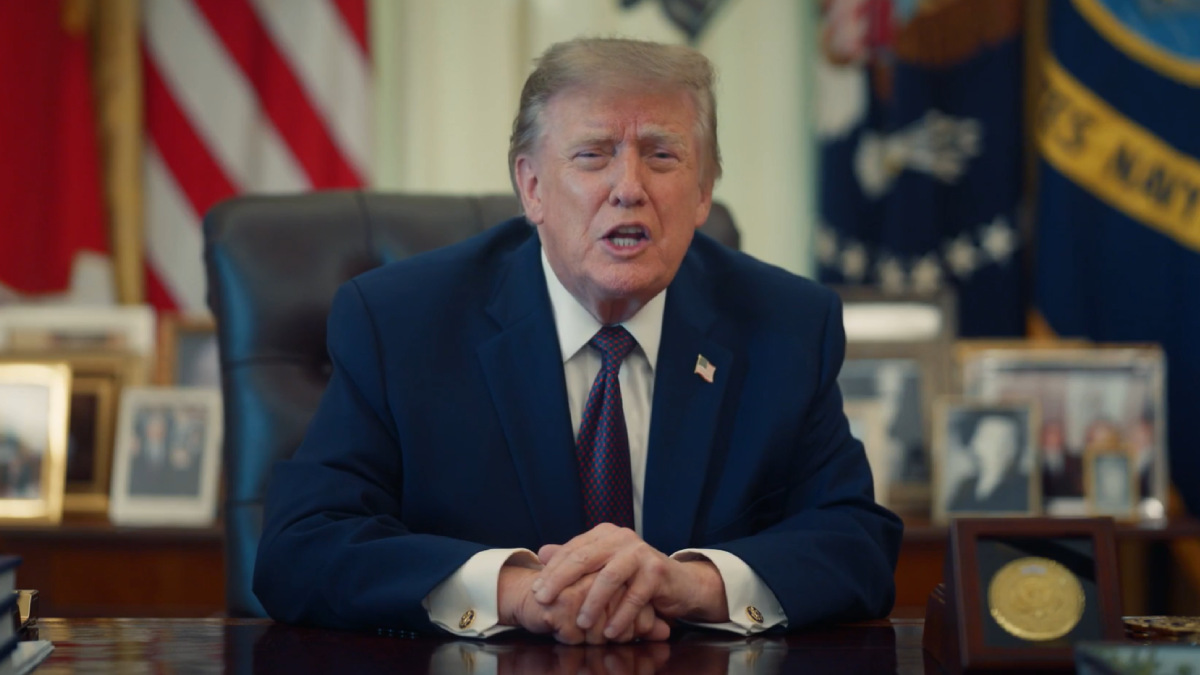
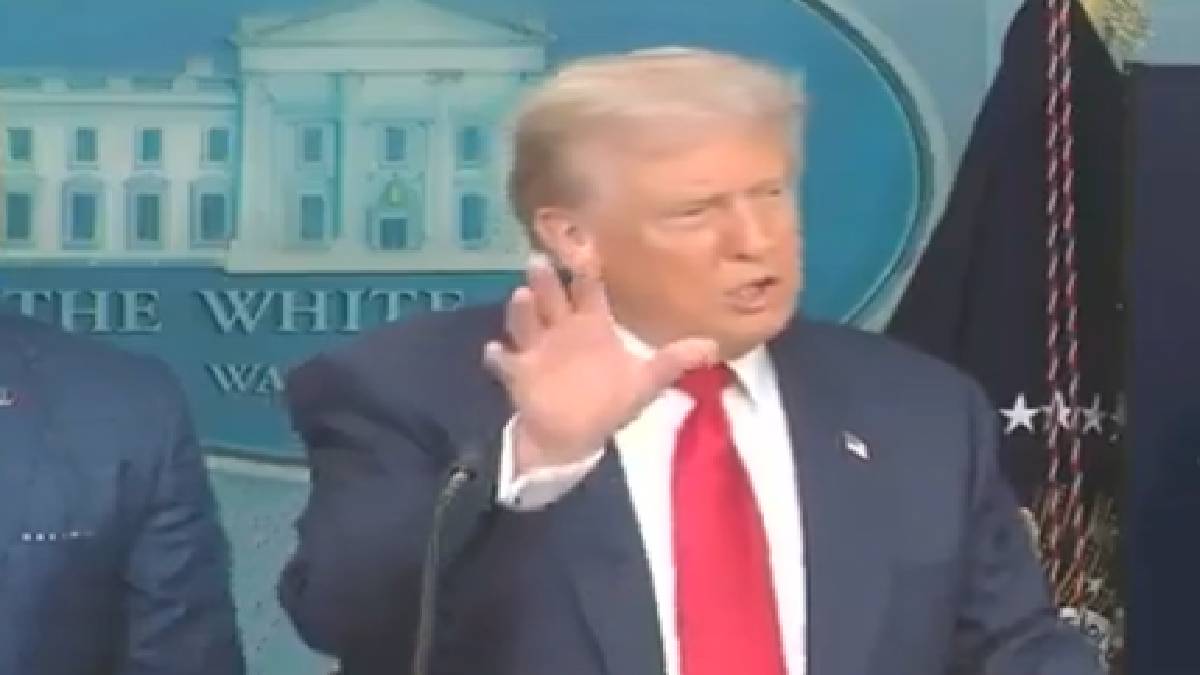
In a post on his site, Truth Social, Trump said the United States would not attack Iran before the midterm elections. Iran was in a very weak economic and military position, and the American blockade would go on. Trump also referred to oil shipments through the strategically important Strait of Hormuz and argued that large volumes of oil were moving through the waterway without Iranian involvement. The comments called for avoiding immediate action and warned that Washington would keep pressuring Tehran.
It’s not a surprise that Trump had previously promised that there would be more major military action against Iran: he had said such strikes against Iran’s energy infrastructure and other strategic targets were in the offing. So this is changing the public view of the conflict now, and that is not a permanent peace deal or an end to military action. What if negotiations fail to yield a fair outcome and Trump’s words raise questions about what he might do after the elections?
The conflict between the United States and Iran has become a major foreign policy problem for the Trump administration. The United States and Israel launched strikes in February 2026 to attack Iranian targets, launching a longstanding war that has affected regional security and international energy markets. However, recent military activity and disputes over maritime access have complicated efforts to reach a lasting ceasefire. Washington has maintained pressure on Iran, and both sides have discussed how to resolve the conflict and restore peace on important shipping routes. But disagreements over the terms of a potential settlement remain a hurdle to a resolution.
A crucial issue in the confrontation is the Strait of Hormuz, a narrow waterway connecting the Persian Gulf with the Gulf of Oman. The route is vital for global energy supplies and carries a substantial share of the world's seaborne oil and gas shipments. Any disruption to traffic through the channel can affect crude oil prices, shipping insurance costs and the wider economy. The continuing row has worried energy-importing countries, businesses and consumers because oil prices can affect petrol costs, transportation costs and inflation. The status of the waterway is therefore at the heart of diplomatic efforts to overcome the tension between Washington and Tehran.
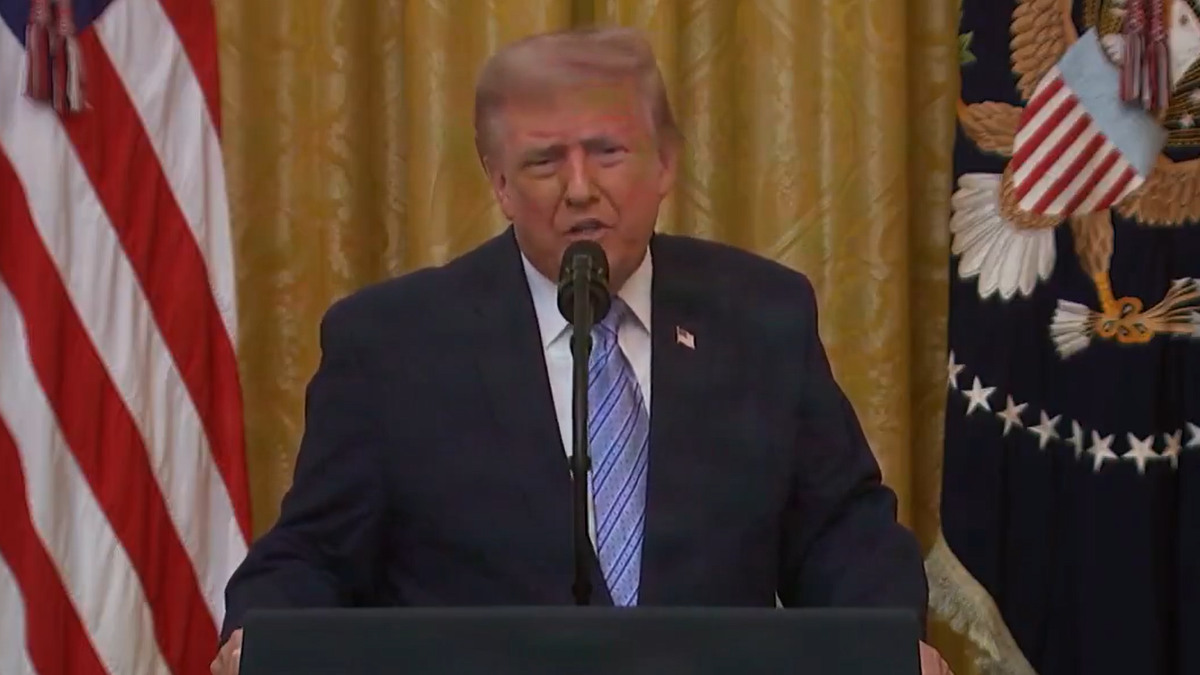
The announcement also has domestic political implications because the November 3 midterm elections are going to determine control of the House of Representatives and Senate and will make the president’s ability to enact his legislative agenda very important. The Iran conflict and its economic impact are already a big deal in the election campaign, as increased energy costs can impact household budgets and public confidence in the administration. Republican candidates would be held to account as they would try to play the game where the cost of living is high and a prolonged war is a risk for everyone and is the major issue on their part.
Even if Trump has presented the ongoing discussions with Iran as fruitful, the two countries still have major obstacles to a lasting deal. Washington has insisted Iran must not get nuclear weapons, and Tehran has rejected demands that it considers unacceptable regarding its nuclear programme and strategic interests. The two sides should also address disagreements over maritime security, sanctions, military operations and the future of the Strait of Hormuz. Negotiations are making suggestions, and those discussions are not the only way to see that talks will not be successful (but they are the first to happen), but negotiations do not necessarily mean that the two sides will come to terms on what is needed to end the fight.
The announcement should therefore be treated as a vow not to attack before the November elections and not as an indication that the war is over. Trump has not ruled out a new approach after the election and the future of the talks is uncertain. On the ground, relations with allies and decisions on sanctions and maritime security could also shape what Washington does next.
Trump’s statement would thus bring some clarity in the period now ahead of the U.S. midterm elections. But whether this pause will lead to a diplomatic breakthrough will depend on both governments’ willingness to work together. Regional security, global energy supply and American domestic politics are all on the line for whether the United States and Iran will move on to de-escalation or move back into a more dangerous phase.






Comments
Leave a Comment