
Images and claims of people living under the streets of China have focused attention on housing affordability in the country. In some cities (Beijing especially) people have been reported living in underground rooms, basements and other unconventional spaces as they can’t afford regular accommodation.
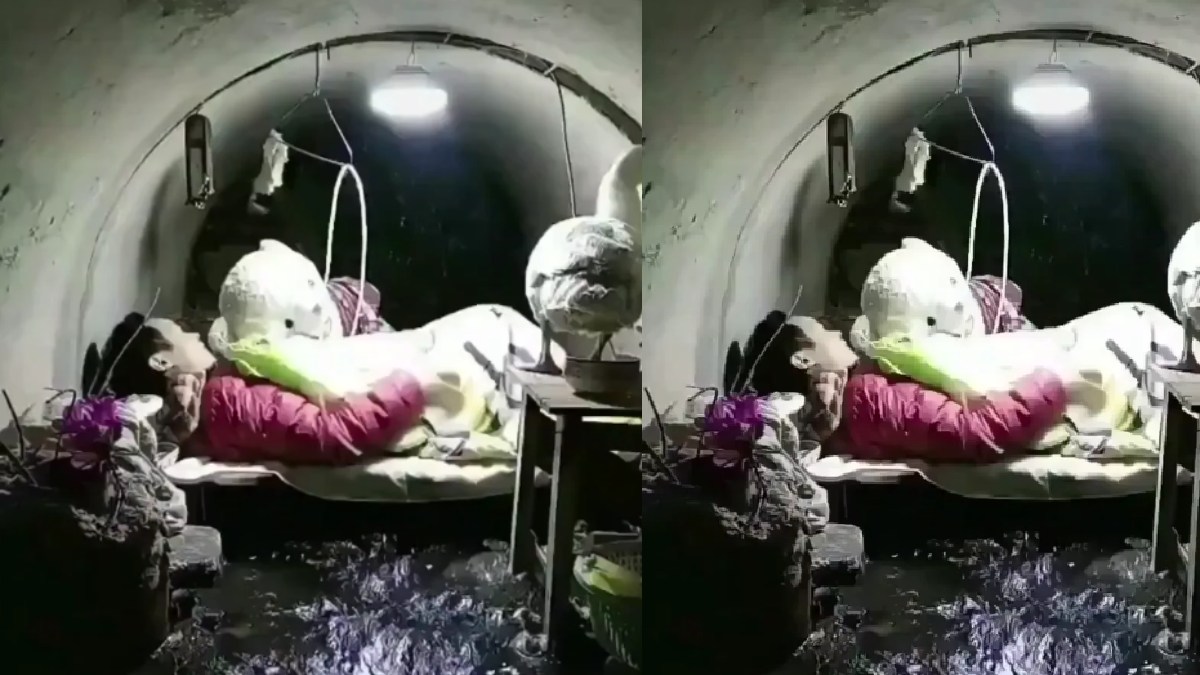
These people are often part of China’s ‘rat tribe’. They move to big cities looking for work but conventional housing is out of their price range.
For many people the underground life choice is based on the huge difference between their income and the rent for an apartment in a big city. Beijing has jobs in several industries but its housing market has been expensive for low-income workers.
Why Are People Living Underground
Beijing attracts workers from all over China who come to the capital to find better jobs but not everyone earns enough to rent a private apartment or even a room in a conventional residential building.
As a result some people turn to cheaper options such as underground accommodation. Basements, air raid shelters converted into basements and windowless rooms under commercial or residential buildings have been reportedly used for low-cost housing.
These spaces can be much cheaper than normal apartments so they are attractive to workers on low incomes. For some residents saving money on accommodation is more important than natural light, enough space or comfortable living conditions.
Social media posts have also made headlines about people living in heating tunnels, drainage pipes and other underground infrastructure as shelter. But we need to be careful here. People do live in converted underground rooms but that doesn’t mean they commonly live inside active sewers or drainage systems.
What Is China's 'Rat Tribe'
The term rat tribe is used to describe low-income urban dwellers who live underground (usually Beijing). It came to be associated with workers who spend much of their time above ground earning a living but then go back into small inexpensive rooms below the city.
These residents aren’t homeless many of them have jobs and pay rent but because they can’t afford housing their options are limited.
The phenomenon also exposes the economic divide between people who own or can afford conventional homes and workers who cannot afford basic living expenses.
In China, some people live in sewers, heating tunnels, drainage pipes, and underground spaces due to high rents, especially in Beijing This one is absolutely insane Writer: Ian https://t.co/XvMwEnhTEb
— Mario Nawfal (@MarioNawfal) November 3, 2026
Health and Living Condition Concerns
Underground accommodation can present several problems: poor ventilation, lack of natural lighting, dampness, overcrowding and emergency exits (if any) can affect quality of life.
Fire safety is another issue (buildings not originally built for residential purposes). Poor ventilation and restricted escape routes increase risks of underground living.
For people working long hours returning to cramped and poorly lit accommodation also affects their overall well-being.
A Wider Urban Housing Challenge
China’s underground housing problem is symptomatic of the larger challenge faced by people moving to big cities for work: economic opportunities may attract workers but affordable and safe accommodation doesn’t grow at the same pace.
Underground housing is not representative of the living conditions of most people in China but it highlights how low-income workers struggle in expensive cities.
It asks questions about affordable rental housing, urban development and safe accommodation for migrant workers.
What may be shocking in viral social media videos is also a reminder that affordable housing remains a serious problem in some of the world’s largest cities.





Comments