
Protests in France have brought back the debate about public safety, civil unrest and the authorities’ ability to maintain order. Images of burning, smoke-filled streets, destroyed businesses and clashes have made the unrest more combustible and those strong political responses have only intensified the debate on the ground.
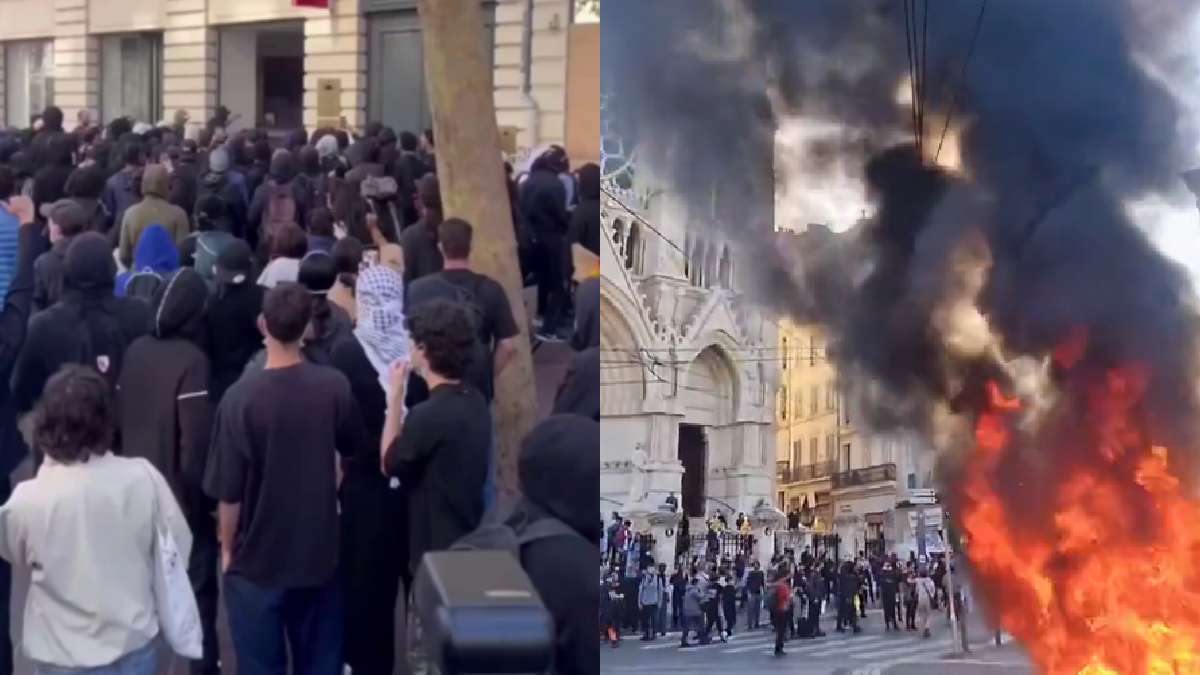
The situation has also been criticized at the demonstrations’ public presentation. Some say the rallies are student protests, others say violence, destruction and looting must be taken into account when determining the extent and effects of the unrest.
Fires and Property Damage Raise Concerns
With reports and images of street disturbances there are fears about public property, business premises and people in affected areas. Fires, smoke and destroyed infrastructure can impact people’s lives and businesses may have to close and people who work are even more concerned about violence, so they fear to do so.
But the scale and location of the reported incidents need to be established through reliable reporting and official statements. Videos shared on social media might not always show when or where an incident occurred, so independent verification needs to be done.
There is also the loss of money for local business owners if the roads are closed and security is more stringent.
WHAT IMPORTING MUSLIM IMMIGRANTS WHO WILL NOT ASSIMILATE GETS YOU! Election of Marine Le Pen will cause 48% of them to return home! The RIGHT thing to do. Violent riots are spreading across France. Looting and fires in Paris and Marseille. @disclosetv https://t.co/8nSZokdvqG
— TRUTH NOW ⭐️⭐️⭐️🗽 🎺 (@sxdoc) October 17, 2026
Debate Over the Nature of the Protests
The unrest has made the difference between peaceful protest and violent action during larger gatherings more stark. Peaceful protest is a well-accepted form of political expression, but arson, assault, vandalism and looting when proven, can be seen as different than public safety and justice.
Media coverage should not minimize violence simply because the demonstrations are rooted in students or a political cause, say critics of the protests. They say the protesters’ demands and the circumstances of demonstrations need to be examined rather than treating every participant as responsible for criminal actions.
To establish the facts, one must separate peaceful demonstrators from those who commit violence and examine the reasons for each claim.
Law Enforcement Under Scrutiny
The response of French authorities will be central to the debate. Police actions in demonstrations can also be criticized by many sides at times when officers have to balance public order with the rights of people also in peaceful protests.
The authorities have to ensure violence is not resumed and that residents and businesses are protected, and that any arrests or investigations are done under legal frameworks. It is the effectiveness of response that is at the heart of public confidence in institutions.
Claims that law and order have totally broken down should be checked against verified information about affected locations, police presence, arrests, injuries and property damage.
A Wider Debate About Public Order
Now the unrest has become part of a larger conversation about protest movements, media framing and accountability. Dramatic video can move public opinion around very quickly, but reliable conclusions rely on facts and context.
As developments progress, the major questions are if the violence is spreading, how authorities are responding and what consequences those who are responsible for the detected offenses may face. For residents and businesses, safety and preventing further damage remain immediate priorities.
The events also highlight the need to accurately report protests: peaceful assembly should be protected and violence and criminal behavior must be documented where necessary.


Comments
Leave a Comment