
Israel’s opposition leader and former army chief Gadi Eisenkot is now considered a strong contender to replace Prime Minister Benjamin Netanyahu after he won the backing of 67 lawmakers in consultations with President Isaac Herzog. But even though he has the numbers on paper he faces a complicated political challenge when forming Israel’s next government.
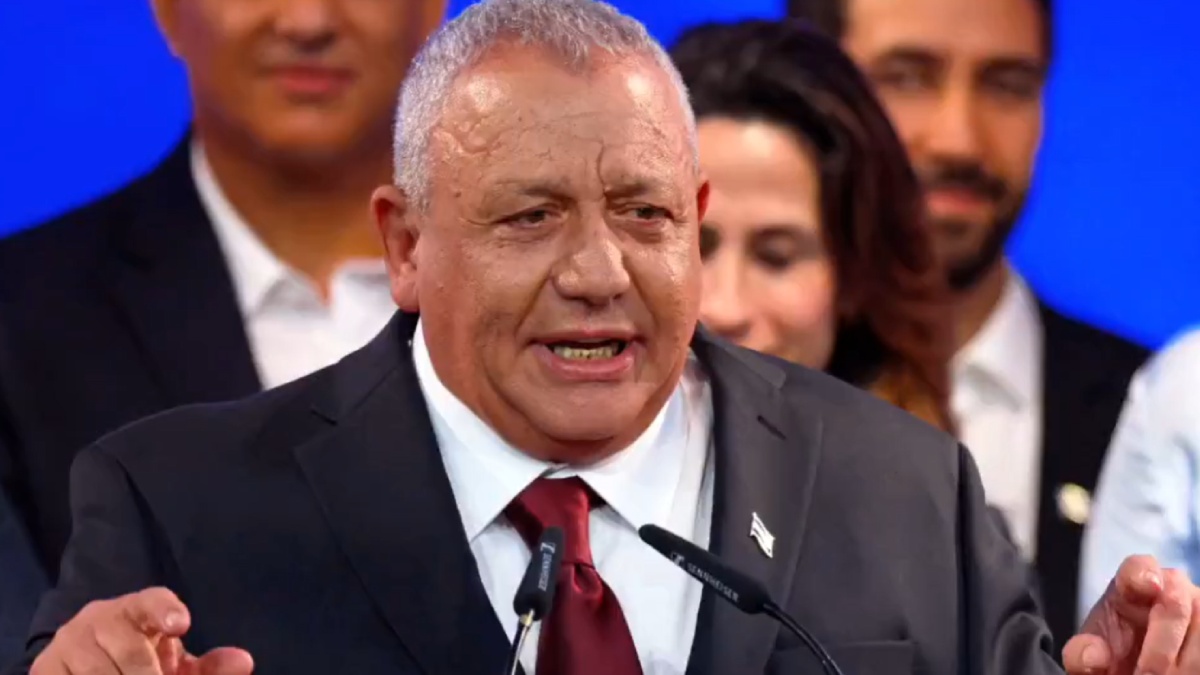
The move comes after Israel’s general election held on 27 October 2026 yielded no clear majority for either the ruling coalition or the opposition. The political situation has raised questions about whether Netanyahu will stay in power or Eisenkot can build a new governing alliance.
Eisenkot Secures Support From 67 Lawmakers
On November 5 Eisenkot received recommendations from 67 members of the Knesset (120 seats) against 46 who supported Netanyahu.
The opposition leader’s backing comes from recommendations by his political allies and two Arab-led parties — Ra’am and Joint List. The 19 seats they together have could be decisive in helping Eisenkot take on Netanyahu’s government.
However, numbers don’t necessarily mean change. President Herzog has to decide which candidate has the best chance of forming a government successfully.
Herzog said he would make his decision on Sunday (November 8) after further consultations with political leaders.
Why Forming a Government Will Be Difficult
Eisenkot may have a lot of support but he has disagreements within his possible political alliance.
His opposition bloc has 48 seats; the two Arab-led parties have 19 each. Together they could theoretically get support from 67 lawmakers.
Some of Eisenkot’s partners have also opposed such a government. Avigdor Liberman, leader of Yisrael Beytenu has repeatedly refused such an arrangement.
This is a serious problem because Eisenkot needs cooperation from his political partners to turn parliamentary recommendations into a stable governing majority.
Eisenkot has also set conditions for cooperation with Arab parties: recognition of Israel as a Jewish state; compulsory military or civilian service; recognition of Hamas as a terrorist organisation.
These conditions could complicate negotiations.
Netanyahu's Political Position Weakens
Netanyahu’s Likud party won 27 seats the largest number of individual parties in the new parliament but his wider right-wing and religious coalition only won 53 seats short of the 61 needed for a majority.
The prime minister has therefore lost his parliamentary advantage.
His political future may depend on winning over smaller parties or individual lawmakers. A possible unity government of opposition parties is also an option (although disagreements about Netanyahu’s leadership make such a government difficult).
Netanyahu will remain caretaker prime minister until a new government is formed or another election takes place.
Arab Parties Become Key to Israel's Political Future
The two Arab-led parties (Ra’am and Joint List) are important players since the election. They have 19 seats between them so they have a lot of influence over government formation.
Ra’am has said it is willing to join an Eisenkot government and the Joint List has shown more interest in supporting that from outside the coalition.
Their involvement could be a major political development in Israel where cooperation between the two main Jewish political parties and Arab-led parties is controversial.
Could Israel Face Another Election?
If Eisenkot and Netanyahu don’t get enough support, Israel could be headed for another election.
The country’s political system requires a government to have the confidence of a majority in the 120-member Knesset (parliament). If they fail to agree then uncertainty will continue.
For now Eisenkot has more recommendations but the real test is ahead. Can he manage ideological differences, negotiate with Arab parties and keep his existing allies on side so that his parliamentary advantage translates into the next government?
The days ahead could therefore be decisive for Israel’s political future.




Comments