
An Indian journalist has raised serious questions about media freedom, casualty reporting and information restrictions in Israel after the military confrontation between Israel and Iran.
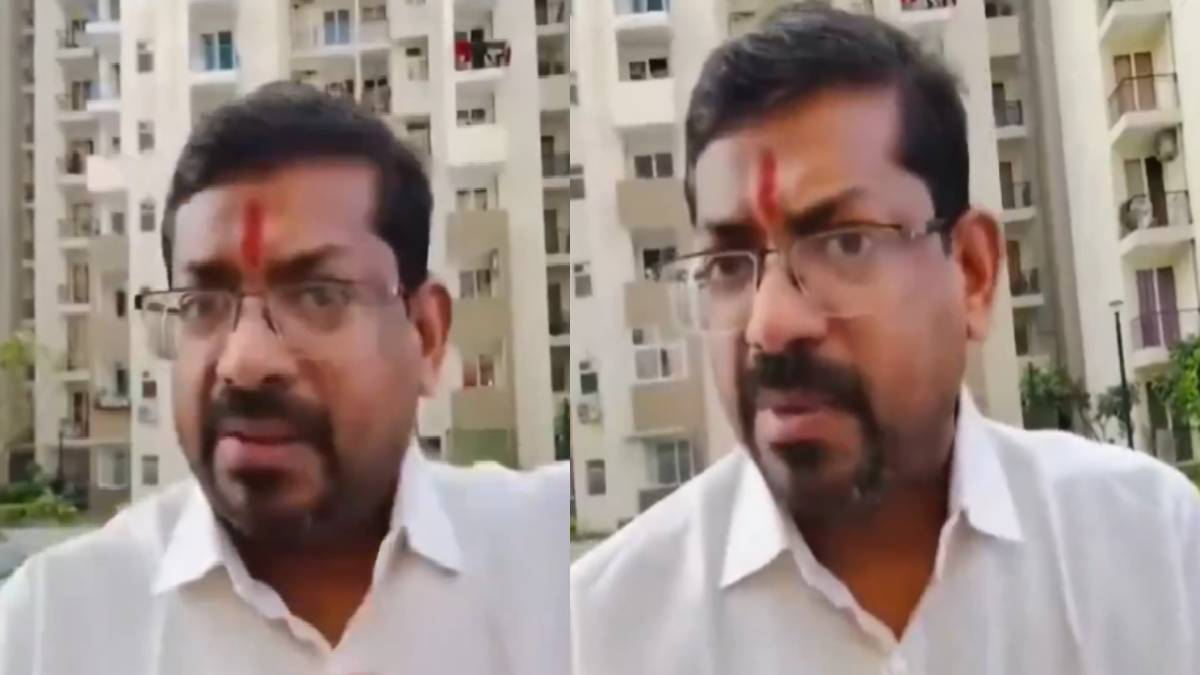
Braj Mohan Singh, a Sandha News journalist from India, told how he returned home from Israel (where he was reportedly stranded between February 28 to March 6, 2026 due to escalating military attacks) after being there for two months.
His account has made clear how difficult it is for journalists trying to report independently during war when information about casualties and damage can’t be verified.
Singh said the situation on the ground was more complex than what was being reported through official channels. He alleged that Israeli authorities restricted journalists from reporting on the impact of Iranian missiles and drones attacks. “They made it difficult for reporters to ascertain actual extent of destruction and civilian casualties,” he said.
One of his biggest issues was access to hospitals and places where casualties were reported. Singh said journalists were not allowed to film dead bodies or freely visit hospitals to independently verify information; he also alleged reporters were often not told where missile strikes took place so it was hard to investigate incidents.
Singh also said official casualty figures did not always match what local residents were saying: “In one case,” he recalled, authorities said only one death had been reported but locals told journalists several houses had been destroyed and families killed.
These allegations have questioned transparency during the conflict and how information can be obtained from areas affected by military operations.
The journalist also raised concerns about Israel’s air raid warning systems and underground shelters. Israel has built an extensive warning and defence infrastructure to protect civilians from incoming missile attacks but Singh said the warning systems did not work as expected.
He talked about an incident in which explosions were heard in the morning without warning sirens. He also spoke of situations where people had been killed even though they had taken shelter in underground bunkers.
His comments have brought another dimension to the debate about civilian safety during missile attacks. But they are personal accounts and allegations that need independent verification.
The controversy also shows the wider problem of reporting from conflict zones. Governments often restrict media coverage during military operations because they are national security issues and sensitive information can’t get through to opposing forces but that limits independent reporting as well it makes it harder for people to understand what a conflict is really like.
Singh’s comments have been notable because they show how a gap can develop between official pronouncements and eyewitness accounts. It also questions how journalists verify casualty numbers when access to hospitals, affected areas and visual evidence is limited.
The allegations have reignited discussions about press freedom, government transparency and independent journalism in armed conflicts.
Tensions in the Middle East will continue to grab international headlines so reliable reporting is critical. Singh’s account shows how journalists working in Israel during the conflict were struggling; it also shows that claims of casualties and censorship need to be independently verified.

Comments