
Iran has dismissed U.S. President Donald Trump’s warnings of a fresh war and Foreign Minister Abbas Araghchi said another offensive wouldn’t lead to a different result. That comes amid rising tension between Tehran and Washington and uncertainty over diplomatic efforts to resolve the conflict.
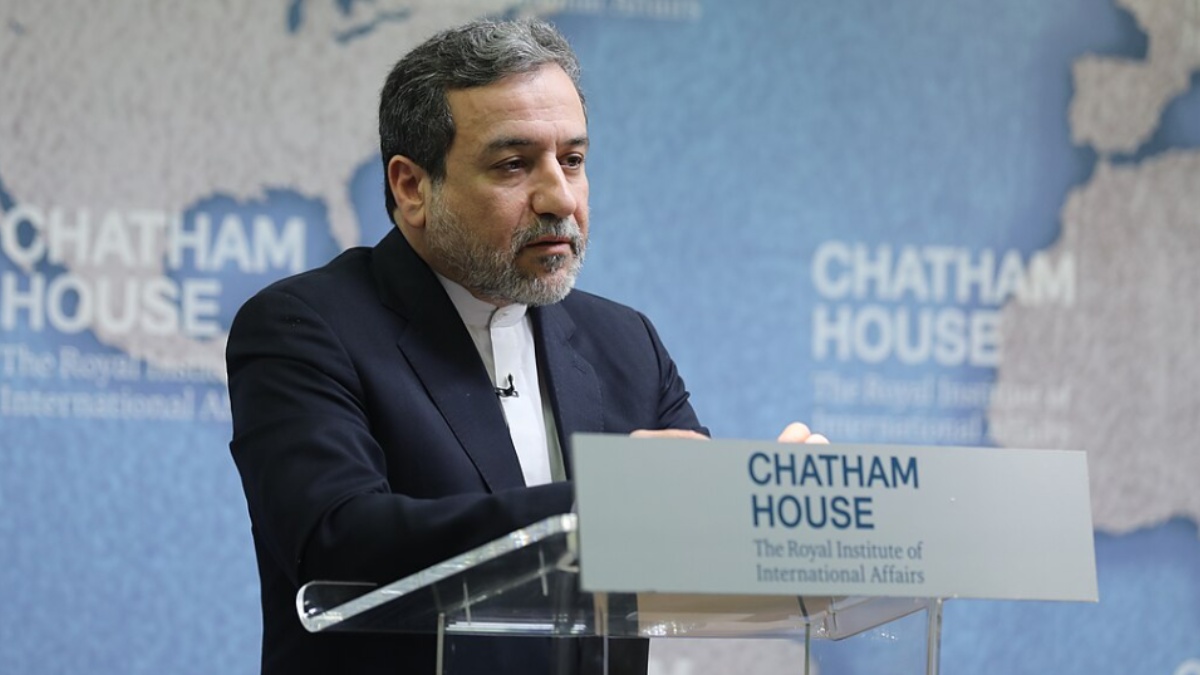
Araghchi said the United States and Israel had already attacked Iran twice and should not expect a different result from another military operation.
Araghchi responds to Trump's warning.
On Sunday, Araghchi said Iran's policies would remain unchanged if there was another war to erupt.
The Iranian foreign minister said discussions about a possible new conflict are ongoing, but he was already thinking about the period after the war. Another attack would not force Tehran to change its position, he said.
Araghchi claimed that the previous military campaigns had already shown their limitations. He suggested that a rational assessment of the earlier attacks should discourage Washington and Tel Aviv from launching another offensive.
His remarks were a direct response to Trump's recently made comments about the possibility of a new foreign policy towards Iran.
Trump Keeps Military Action on The Table.
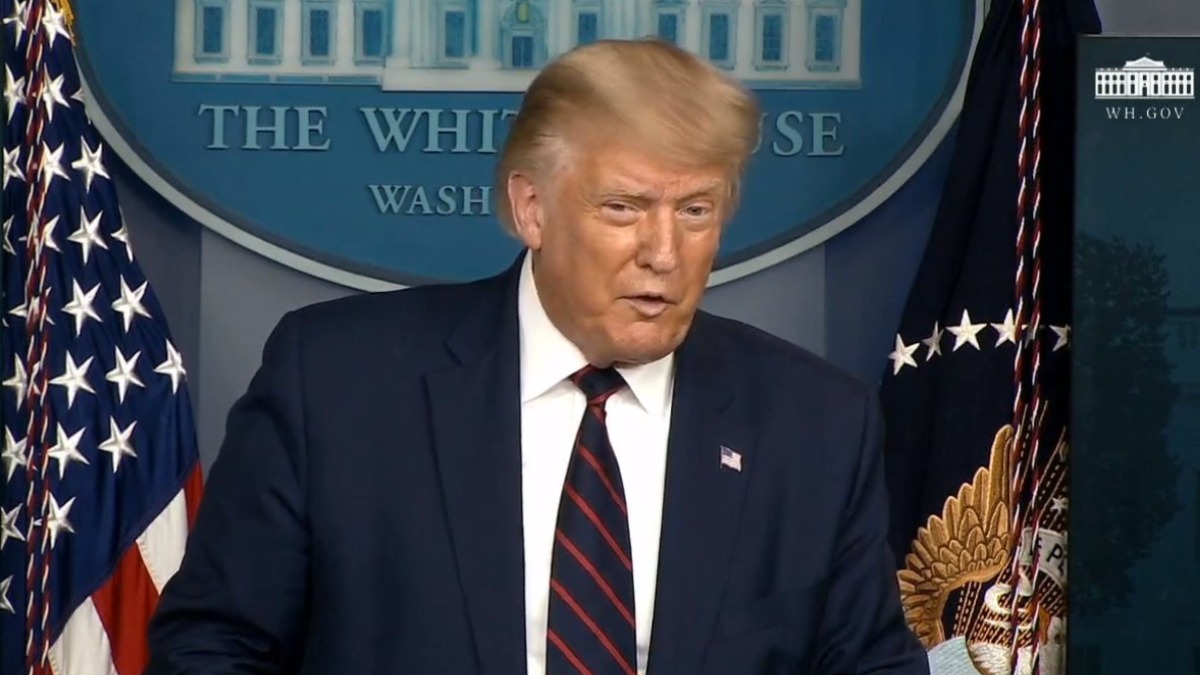
Trump recently said that the United States could carry out a new attack on Iran while also leaving the door open to an agreement.
The president said on Saturday, October 24, that an attack could happen very soon, but also suggested negotiations might lead to a deal. His remarks left uncertainty about what might come next for Washington.
The U.S. has maintained pressure on Tehran as it has failed to reach agreement on the security status, regional influence and the future of the conflict.
Although Trump raised the possibility of further military action, his remarks did not confirm that an attack had been ordered.
Iran says Policies Will Not Change
Araghchi said Iran's position would remain the same if fighting resumed or diplomatic talks continued. His statement means Tehran is not disposed to change its approach just because of any military threats.
The minister also said the conflict had created a new regional reality. The security situation in West Asia and the arrangements governing important shipping routes would not return to their previous state, he said.
Iran has repeatedly argued that military pressure cannot provide a lasting solution to the dispute. Tehran has repeatedly called for talks based on its conditions and Washington has challenged Iran’s actions and regional policies.
Strait of Hormuz remains a great concern
The Strait of Hormuz is still a major issue in the standoff. The strategically vital waterway links the Persian Gulf to international shipping routes and is critical to the supply of oil and energy worldwide.
Restrictions and disruptions around the strait have raised concerns about shipping security and the potential effects on energy markets. The United States has kept a naval counter-blockade on Iranian ports in place around the Strait, while Tehran has asserted control over passage through the waterway.
Any escalation could increase risks for commercial shipping and add pressure to global energy markets.
Diplomatic Efforts Face Uncertainty
A ceasefire announced on April 8 ended the most intense fighting, but there have been some sporadic clashes and disagreements. Previous attempts to reach a resolution have been met with accusations and disagreements on security and access to the sea.
Araghchi’s latest comments underscore the continuing divide between the two sides. Trump has kept military action and a possible agreement in mind, while Iran argues another offensive would not change its policies.
The next few days may determine whether the two nations will return to talks or get closer to another crisis. So far, neither a US attack nor a lasting diplomatic settlement has been confirmed.






Comments