
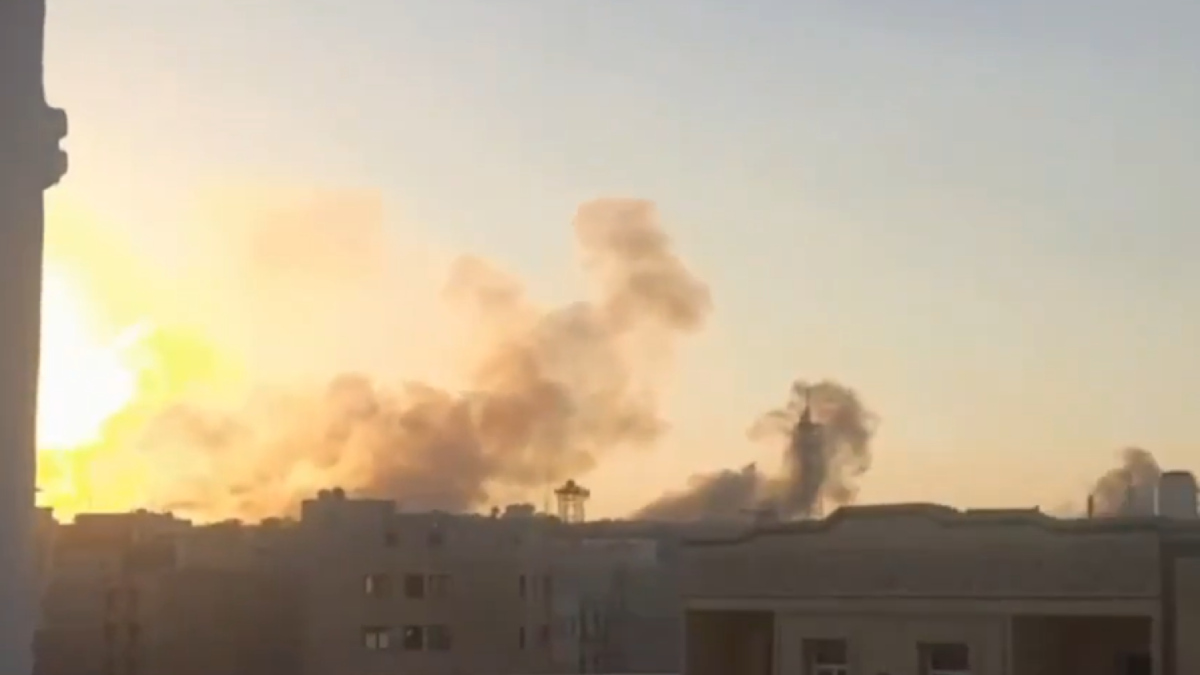
Tensions in the Middle East have risen further after explosions were reported on Iran’s strategic Qeshm Island, and Iranian naval forces said a third oil tanker had caught fire after striking a mine in the Strait of Hormuz.
The latest events heighten fears over the security of one of the world’s most important shipping lanes through which much of global oil shipments pass. Iran has said the Strait of Hormuz is closed to shipping and warned international vessels not to try to navigate through unauthorised routes without coordinating with its armed forces.
The explosions on Qeshm Island were reported Tuesday, November 17, in the ongoing conflict between Iran, the US and Israel. The United States reportedly carried out precision airstrikes against an Islamic Revolutionary Guard Corps (IRGC) missile launch site on the strategically important island.
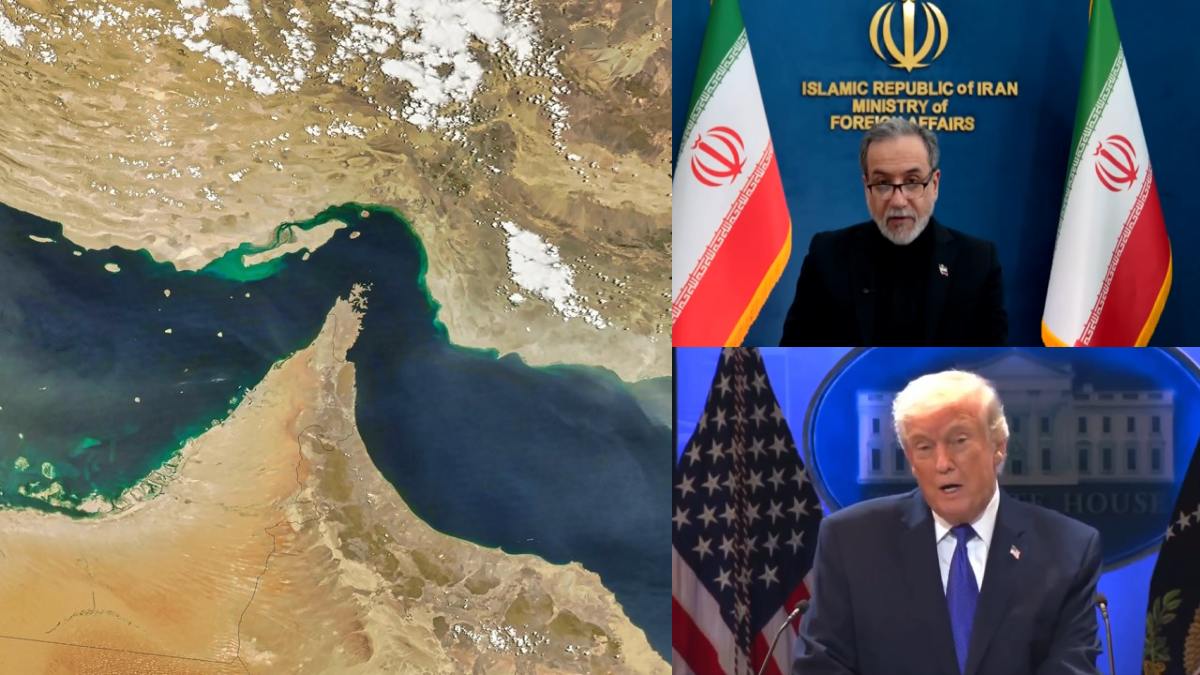
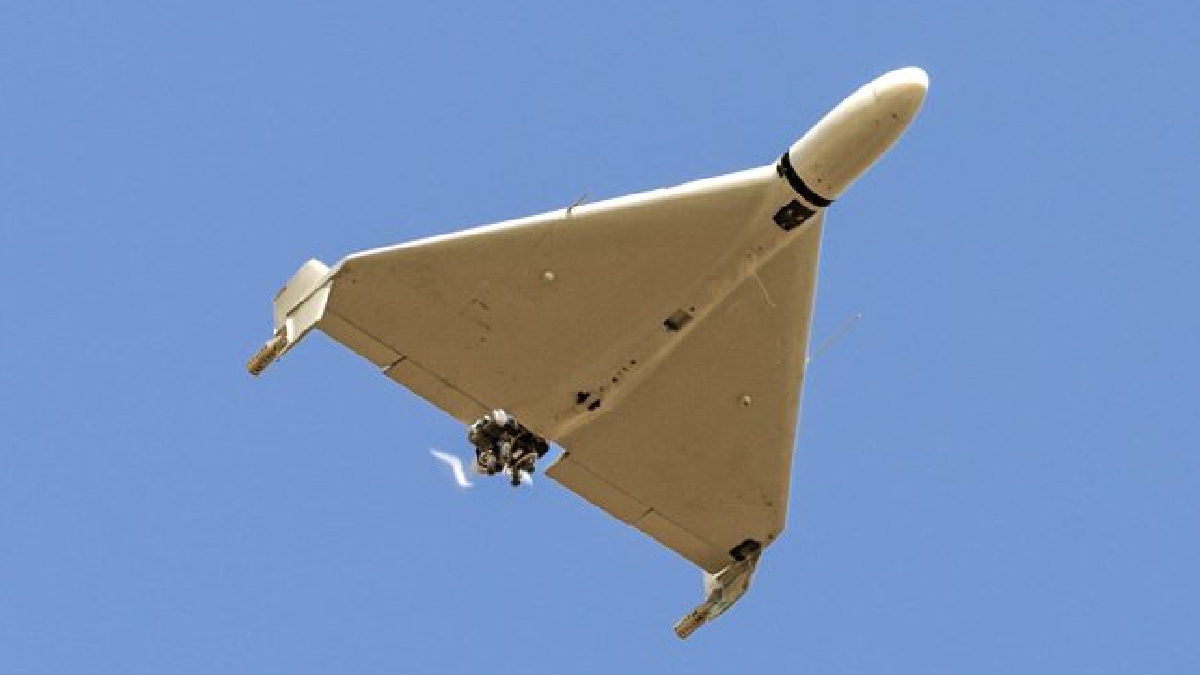
A US military official said it was a self-defence action to counter Iranian attacks on American personnel and military assets in the region. The strikes reportedly took place hours after Iran claimed it had attacked a US radar base in Bahrain, but the US military said the drones had been intercepted without damage. Iranian officials acknowledged the attack on Qeshm but said there was no damage to residential, commercial or infrastructure facilities.
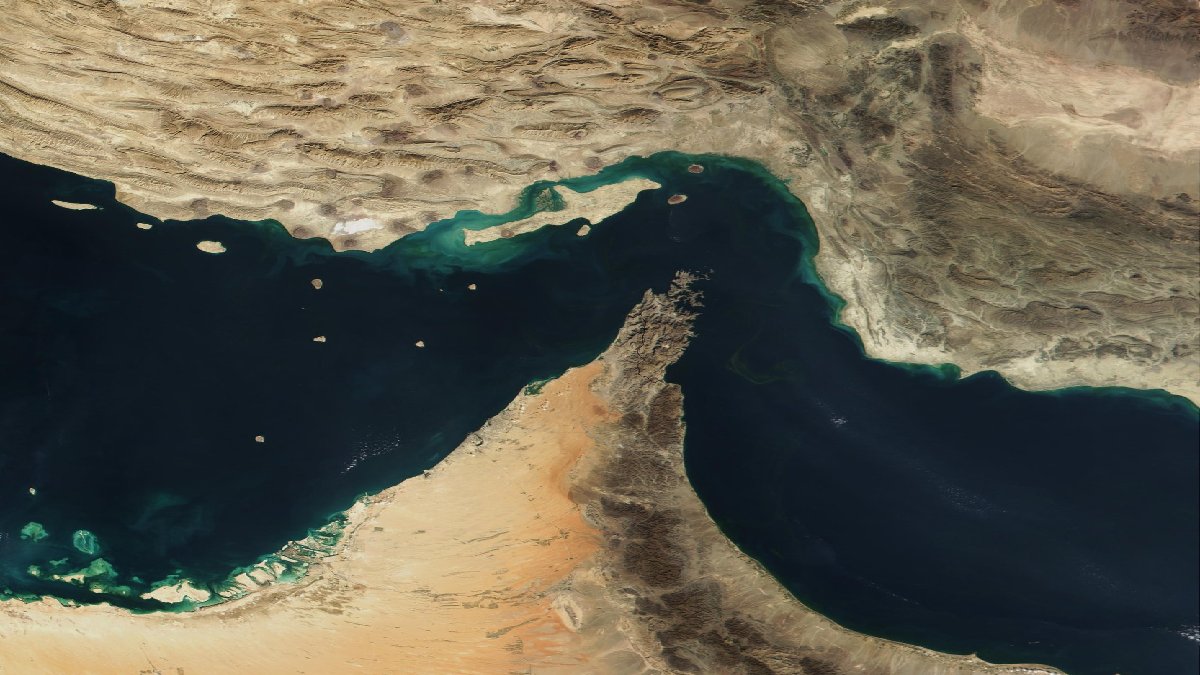
Qeshm Island is located close to the Strait of Hormuz in the Persian Gulf. It is important for military surveillance, maritime operations and vessels passing through the narrow waterway. Any military activity in the surrounding area could affect international shipping and energy transportation. The latest explosions have therefore added another layer of uncertainty to an already unstable security situation as both sides continue to threaten military action and accuse each other of it.
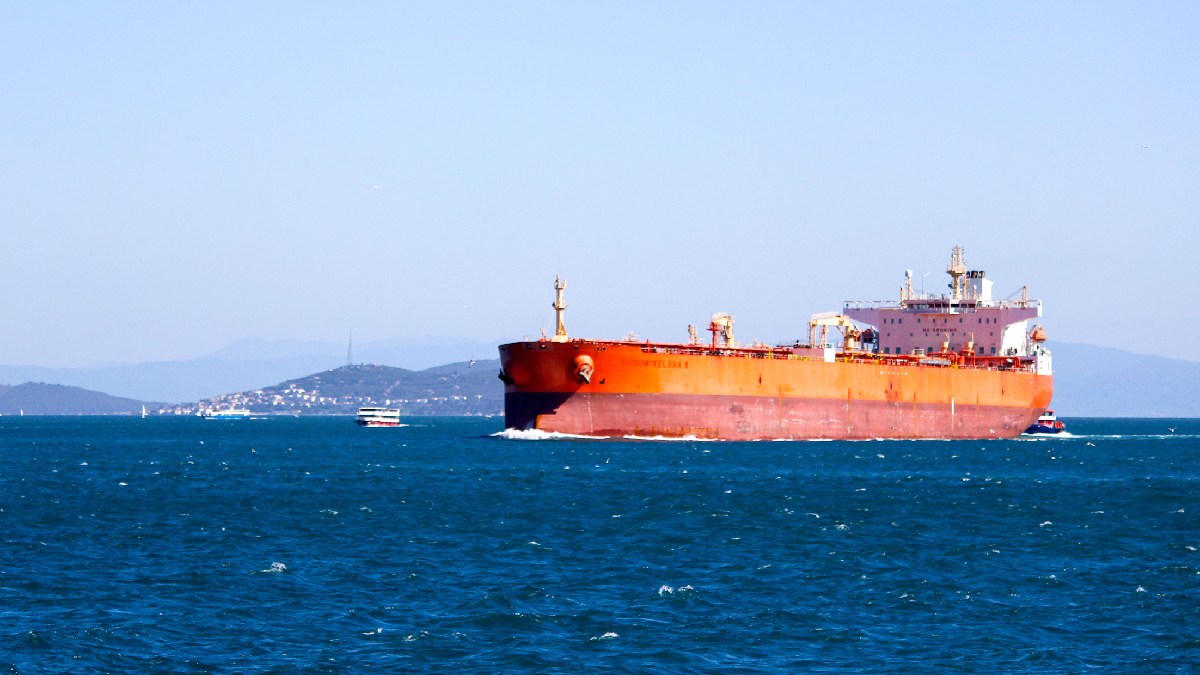
Meanwhile, Iran’s Navy said a third oil tanker had caught fire after striking a naval mine in the eastern part of the Strait of Hormuz. Iranian military said the vessel entered a restricted maritime zone and violated navigation regulations. Iranian authorities said three tankers had caught fire after hitting naval mines since early Tuesday. The military also alleged that some vessels switched off their navigation and tracking systems or tried to use routes which hadn’t been authorised by Iranian forces. Identities of the tankers, their owners' flags and cargo details were not immediately known.
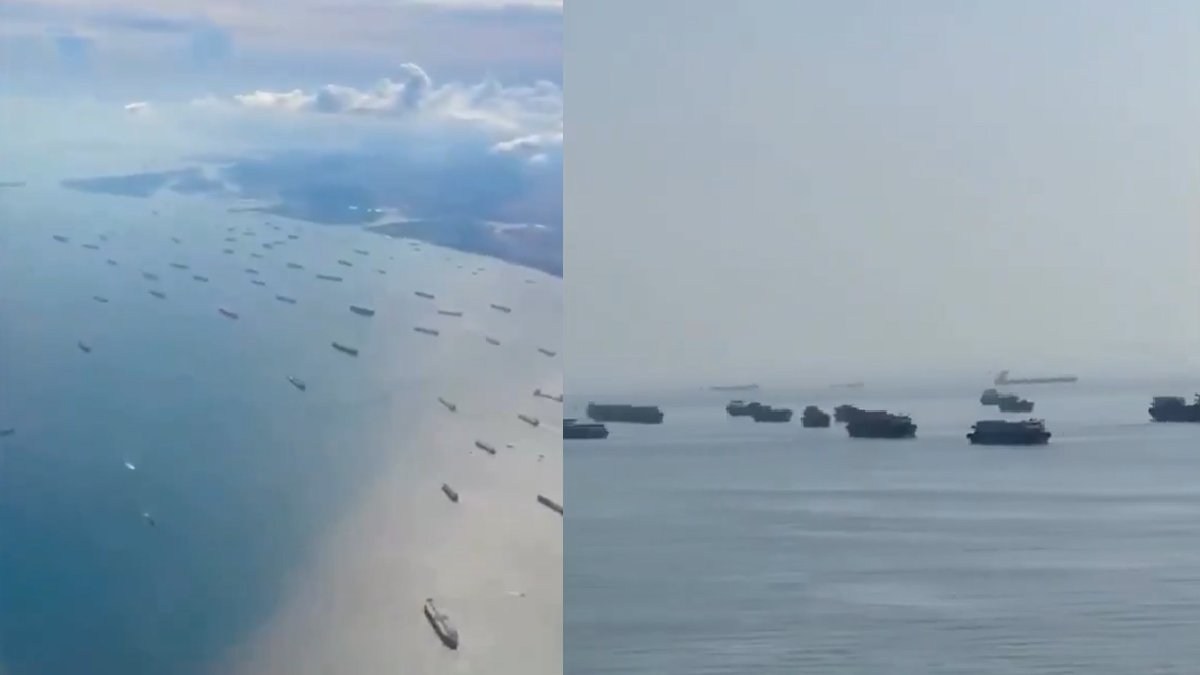
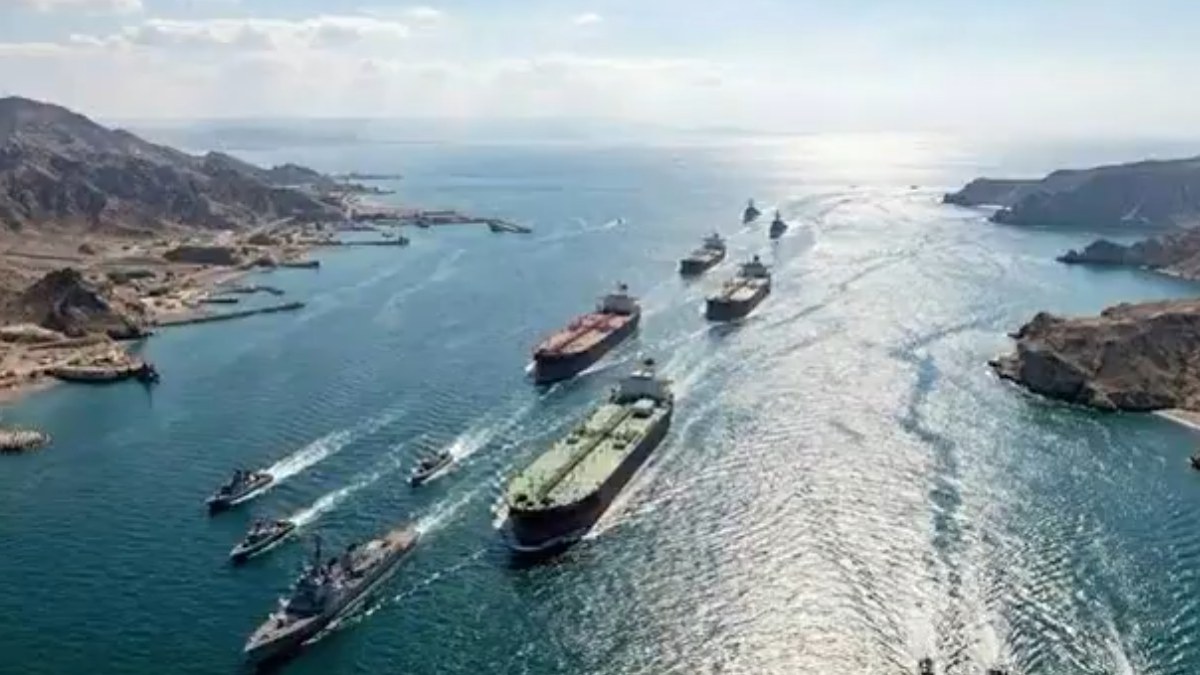
The Iranian Navy also warned that the Strait of Hormuz was not open to commercial shipping and vessels must coordinate with Iran’s armed forces before attempting passage through the waterway. In a statement issued after the meeting, the navy said ship operators should follow safe navigation routes designated by it and keep their tracking systems switched on.
Tehran said ships ignoring its maritime restrictions were putting themselves in danger. The warning is another step in Iran’s campaign to control maritime traffic through the strategically important passage.
The latest tanker incident follows several other reports of explosions and fires on commercial vessels in and around the Strait of Hormuz. Iranian naval forces have said repeatedly that tankers trying to cross unauthorised routes hit mines, but this has not been independently verified in every case.
International maritime authorities have also reported separate attacks on commercial ships with unidentified projectiles. UK Maritime Trade Operations (UKMTO) has been tracking incidents in the region and warning ships operating in nearby waters of security threats. The U.S., however, has challenged Iran’s claims about dangerous shipping routes; its military says the principal southern navigation lanes are clear of mines.
The situation is particularly worrying for the international energy market because the Strait of Hormuz links the Persian Gulf with the Gulf of Oman and the Arabian Sea. Oil and liquefied natural gas from major energy-producing countries such as Saudi Arabia, Iraq, Kuwait, Qatar and the United Arab Emirates are shipped through it to transport routes (i.e. shipping lanes).
If shipping through this passage is disrupted for a prolonged period, global oil supplies will be affected; transportation and insurance costs will rise; uncertainty in international energy markets increases; oil-importing countries, especially those heavily dependent on supplies from the Middle East, could face economic hardship if disruption continues.
For India, developments around the Strait of Hormuz are particularly relevant as India imports a large amount of crude oil from international markets (Middle East included).
Prolonged shipping disruption could increase crude transportation costs, energy supply arrangements and possibly domestic fuel prices. Indian authorities and shipping companies will also be monitoring the safety of Indian seafarers and commercial vessels operating in the region.
Explosions on Qeshm Island, fresh tanker fires and Iran warning of closure again mean the security situation around the Strait of Hormuz remains extremely volatile. Military escalation could happen again (international shipping operators, energy companies and governments are concerned).
Iran insists vessels must be granted permission to pass through its routes, but the U.S. keeps challenging Tehran’s restrictions; what happens in the next few days will determine if diplomacy can stop further escalation or if the conflict will make global maritime trade and energy supplies even bigger victims.






Comments