
A massive disruption to aviation across the US has raised questions about whether Microsoft caused it all when the FAA ordered an unprecedented ground stop on thousands of flights. The FAA did so as part of a nationwide outage of Microsoft’s services Outlook, Microsoft Teams and other Microsoft 365 applications which was happening at the same time.
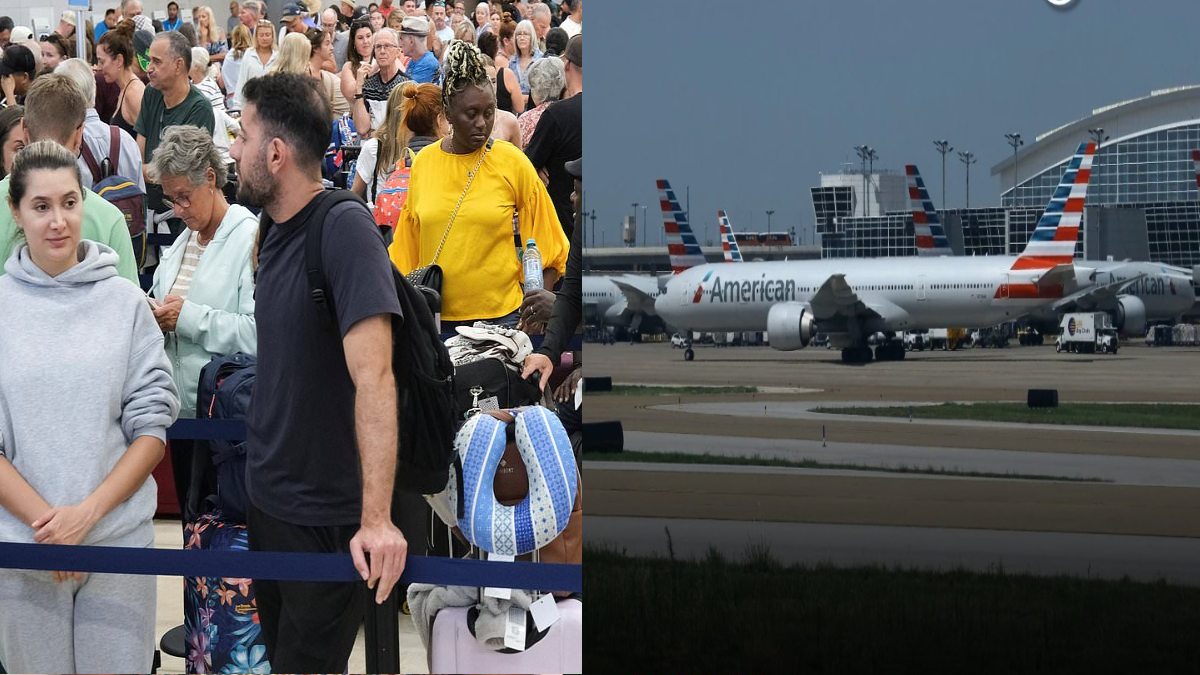
More than 16,000 flights were delayed or cancelled, and soon rumours started circulating that the two incidents were related. But Microsoft vehemently denied any link, saying there is no evidence its service disruption was behind the FAA’s decision to halt departures across the country.
The FAA announced the nationwide ground stop on Friday, November 13, 2026, shortly before 4 pm Eastern Time because of extraordinary circumstances and safety reasons. It ordered departing flights from airports across the United States to stop after communication problems hit several Air Route Traffic Control Centres.
Confusion ensued among passengers, airlines and airport authorities as thousands of travellers were stranded at terminals and some passengers were left behind on aircraft. Some flights were diverted to other airports while airlines had to cancel or reschedule services.
More than 10,000 flights were delayed; about 6,600 were cancelled, so more than 16,000 flights were affected by the grounding. Flight-tracking data reported by media outlets showed that “more than 10,000 flights were delayed; about 6,600 were cancelled (total number of flights affected) exceeded 16,000”.
As questions about a possible connection to Microsoft began to surface, the technology company issued a clarification. Microsoft said it had no indication that the FAA’s nationwide ground stop was related to any of its services, and its statement came while it was already dealing with another global service disruption (affecting millions of users).
The timing of the two incidents led to speculation because they were both major technology and communication infrastructure failures, but Microsoft said its own problems were separate from the aviation disruption. US government officials also supported Microsoft’s position, saying the two incidents were separate issues.
FAA’s problems were related to telecommunications problems in the country’s air traffic control infrastructure. US Transportation Secretary Sean Duffy said the communication failure affected multiple air traffic control centres and needed to be fixed immediately for aviation safety reasons.
Officials later cited limitations of the ageing air traffic control infrastructure in the country (technology that is decades old, overloaded communication systems). Duffy called the existing infrastructure “old” and needed to be modernised (“legacy switches, routers and copper communication lines”). The incident has reignited concerns about the vulnerability of national infrastructure, which still depends on technology systems that have been used for decades.
US Homeland Security Secretary Markwayne Mullin also addressed speculation about the incident and said there was no reason to link Microsoft’s outage to the FAA ground stop. He said officials had found no evidence of a cyberattack and passengers were told flights already in the air had been accounted for and safety remained the priority during the disruption.
The FAA ground-stopped aircraft because it did not want to risk flying planes without reliable communication systems between pilots and air traffic controllers. Arrivals and departures were handled separately, and some flights were assessed on a case-by-case basis.
The nationwide ground stop was lifted later in the day after FAA technicians fixed the communication problems and tested the affected systems. The agency said its systems had been thoroughly tested to make sure they were stable and reliable before departures could resume, but lifting the restriction didn’t immediately bring normal airline operations back online.
Hundreds of flights had already been diverted; thousands of passengers were waiting for updates and airlines faced the difficult task of reorganising aircraft, crews and passenger schedules. Transportation officials said it would take time for flight operations to return to normal. Some airlines said cancellations and delays could continue into Saturday as well.
Meanwhile, Microsoft’s separate global outage was still affecting business and enterprise users: several Microsoft 365 services were down, preventing some customers from accessing email and other online tools (Outlook, Microsoft Teams and Copilot were among the services affected).
Businesses, government organisations and employees who rely on Microsoft’s cloud-based ecosystem were having problems. The company had been trying to restore services and fix technical problems that caused the disruption, but simultaneously the Microsoft outage and FAA communication failure raised broader questions about what happens when technology infrastructure is relied upon for essential public services.
The incident has also heightened calls for big investments in the modernisation of America’s air traffic control system. Transportation officials have said equipment that is too old needs replacing; network infrastructure upgraded; reliability of systems used by air traffic controllers improved.
The nationwide ground stop showed how a technical failure in communication infrastructure can disrupt the movement of millions of people and airline operations across an entire country. Microsoft says it had nothing to do with the aviation disruption, but the two incidents have raised questions about the resilience of essential technology systems again.
At the moment, there is no evidence that Microsoft’s global outage was related to the FAA’s nationwide ground stop, but the official explanations are separate technical problems (the aviation disruption is due to telecommunications failures in the air traffic control network).
The FAA has lifted the ground stop, but passengers and airline schedules will take longer to recover. This incident reminds us that communication infrastructure for aviation safety must be reliable, and ageing technology systems can pose challenges when they fail.





Comments