
India’s aviation sector is starting the winter travel season with fewer flights scheduled compared to last year even though it is traditionally a busier time of year for passengers due to festivals, holidays and wedding season.
Airlines are expected to fly less than 100 fewer flights a day this winter (3.7% down from last year), industry reports said recently. This is happening as airfares remain under pressure from rising operating costs and airlines review schedules.
The trend reflects several challenges facing the aviation industry: expensive aviation turbine fuel, currency depreciation, aircraft availability, operational constraints and uneven passenger demand.
India's Winter Flight Schedule Sees a Reduction
The winter schedule starts in the last week of October and goes till end of March. It is one of the busiest travel periods in India (Diwali, Chhath Puja, Christmas New Year and wedding season).
However airlines have been more cautious this year.
Industry figures cited in recent reports show that Indian carriers have flown fewer flights than last winter. The reduction is not uniform across airlines some major players are cutting services while smaller operators are adding capacity.
Business Standard also compared the data for November 2026 with October 2025 and found that airlines scheduled 22,306 weekly domestic flights in November 2026 as against 22,912 in October 2025 a decline of about 2.6%.
The figures relate to a single month comparison, not the whole winter schedule but they show the general capacity adjustment taking place in the domestic aviation market.
Air India Makes the Largest Flight Reduction
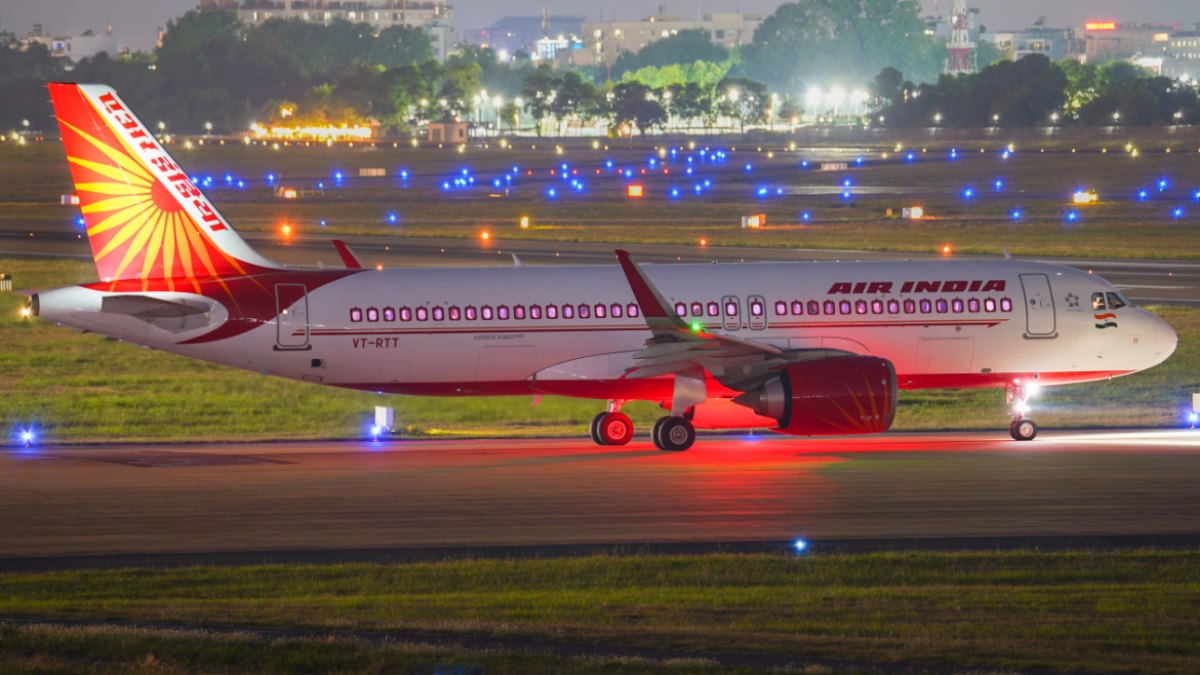
Air India has one of the biggest reductions in scheduled operations.
Industry reports recently indicated that the airline had cut about 645 weekly flights from its winter schedule compared to last year.
Business Standard’s comparison of November 2026 with October 2025 also showed a big drop in Air India’s domestic operations from 3,644 weekly flights to 3,101 (a decline of about 14.9%).
Air India Express has also cut its weekly domestic schedule (albeit by a smaller amount).
The airline group is under pressure to balance network expansion plans with aircraft availability, operating costs and financial performance. If aircraft are not available for operational reasons or routes don’t return enough then a large schedule can’t be maintained.
IndiGo and SpiceJet Also Adjust Their Schedules
IndiGo (India’s largest airline by market share) has also changed its domestic flight schedule.
Business Standard said IndiGo’s weekly domestic flights fell from 14,072 in October 2025 to 13,697 in November 2026 (i.e., about 2.7% less).
SpiceJet has also reduced its weekly domestic operations. Scheduled flights fell from 716 to 679 in the same period (down by about 5.2%).
But not every airline is cutting capacity. Akasa Air has added about 412 weekly flights to its winter schedule (that’s more than double what they were flying last winter) so some carriers are trying to grow while larger airlines re-evaluate their plans.
The differences show how individual airlines are responding to their own fleet strength, financial position and route demand.
Rising Fuel Prices and a Weaker Rupee Increase Costs
One of the major challenges for Indian airlines is rising cost of operating flights.
Airline fuel (ATF) is an expense for carriers. When fuel prices go up airlines pay more to operate their flights (longer distances, lower occupancy rates).
Currency depreciation adds another layer of pressure. Several major aviation expenses (aircraft leases, maintenance contracts and some spare parts) are tied to the US dollar.
A weaker Indian rupee therefore makes these expenses more expensive when converted into domestic currency.
Airlines have to weigh these higher costs against the fares passengers are willing to pay. Higher ticket prices will protect revenue, but expensive fares could deter some travellers from booking flights.
Passenger Demand and High Airfares Affect Flight Decisions
Winter is traditionally a busy travel time but airlines can’t assume every route will generate enough demand for additional flights.
High ticket prices can influence bookings particularly for passengers travelling on holiday or visiting family.
Industry reports have recently pointed to softer demand on some routes as well as higher fares. Airlines are cutting frequencies where they think it won’t be profitable to add flights (e.g., because they can’t sell them at that price).
This is especially true because a flight has fixed costs (fuel, aircraft leasing, maintenance and crew expenses). If you have too many empty seats in an aircraft then profitability will suffer.
As a result airlines may want fewer flights with higher passenger occupancy than maintaining a larger schedule that generates weaker returns.
Aircraft Availability and Operational Challenges
Aircraft availability is another important factor affecting airline schedules.
Airlines need sufficient operational aircraft to fly their planned routes and frequencies. Aircraft that are being maintained, waiting for repairs or having technical problems cannot be used for regular commercial operations.
India’s aviation industry has also experienced delays in aircraft deliveries and maintenance of engines.
These constraints can slow how quickly airlines can expand networks even when there is demand for passengers.
Crew availability and regulatory requirements also affect scheduling. Airlines have to ensure that pilots and cabin crew are complying with flight duty and rest regulations. These requirements determine rostering and the number of flights that can be operated reliably.
What Does Fewer Flights Mean for Passengers?
A reduction in scheduled flights does not necessarily mean that airlines are selling fewer seats overall some carriers are flying bigger aircraft to maintain capacity but operating fewer individual services.
However passengers may still have changes in their travel options.
Some possible effects include:
- Fewer departure choices: Travellers may have fewer options when choosing convenient flight times.
- Limited alternatives: Passengers whose flights are cancelled or rescheduled may have fewer alternatives.
- Higher fares: Capacity on popular routes is reduced so ticket prices rise (especially if demand remains high).
- Higher booking pressure: Travellers may need to book earlier in order to get suitable timeslots and fares during busy periods.
- Regional connectivity changes: routes with lower demand may have reduced frequencies (passengers between smaller cities will be less served).
The impact will be different for each airline, airport and route.
What Should Travellers Keep in Mind This Winter?
Travelers planning domestic or international travel during winter should take a few precautions.
- Buy tickets early for festivals and holiday periods.
- Compare flight timings of different airlines before making a reservation.
- Check the airline’s schedule for changes before travelling to the airport.
- Keep your contact details up to date so that schedule notifications can reach you.
- Give yourself some time for airport procedures (especially during peak travel periods).
- Check cancellation and rescheduling policies before booking.
People who use smaller airports or routes with few daily services should pay attention to alternatives.
What Lies Ahead for India's Aviation Industry?
The reduction in winter flight schedules signals a period of adjustment for India’s aviation industry airlines still have to expand their networks but also manage fuel costs, currency fluctuations, aircraft availability and profitability.
India is one of the key growth markets for air travel as incomes rise, tourism expands and demand for domestic and international connectivity increases. But expansion will depend on airlines being able to keep operating costs down and provide reliable services.
For passengers the immediate concern is likely to be fewer options on some routes and higher fares in busy periods.
What happens in the coming months will tell us whether airlines will ramp up capacity as demand increases or continue to focus on financial and operational stability rather than rapid expansion.






Comments