
Jensen Huang, co-founder and longtime chief executive of Nvidia, has resigned, but the unusual thing about it is that part of its workforce is openly calling for him to return.
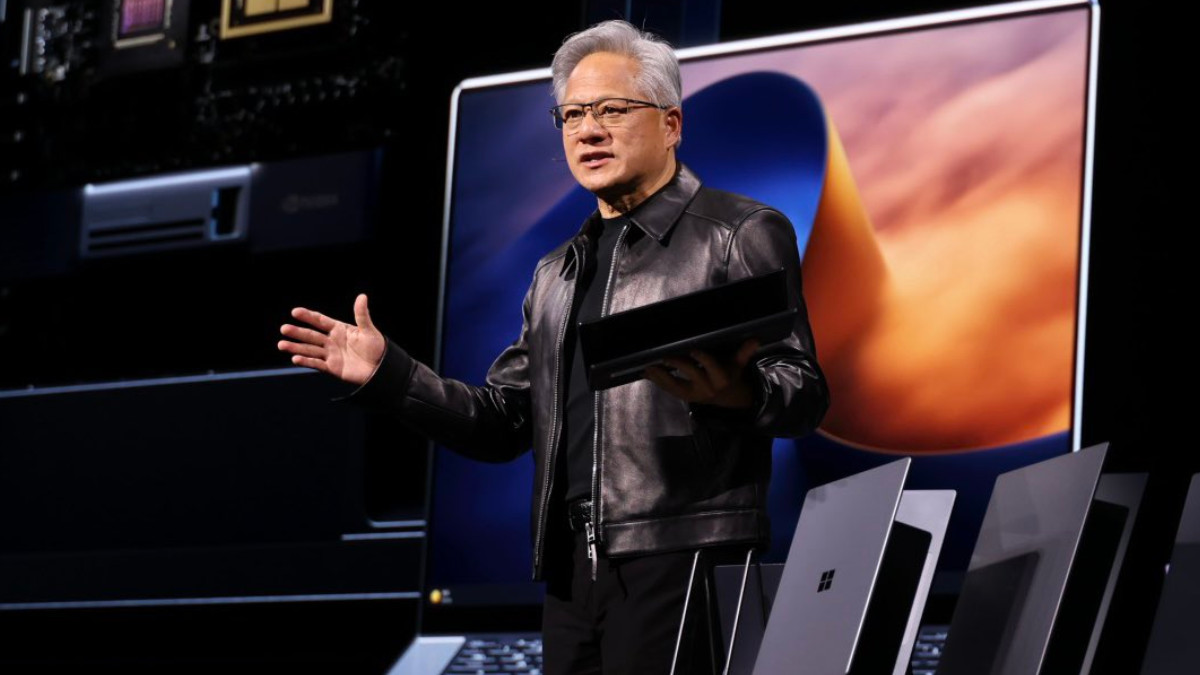
More than 1,600 comments have been posted on an internal company suggestion-box post where several employees are asking the board of directors to reconsider his departure and give him another chance at leading the company.
The support shows how emotionally invested many employees are in Huang (who built Nvidia into one of the world’s most influential technology companies over more than three decades). WIRED reports that the discussion started when a long-serving Nvidia engineer submitted a post asking the board to consider employees’ opinions before making decisions about Huang’s future. The original post was made before he resigned, but there were many responses after that as well (several employees want him back).
The comments reportedly carried strong messages of support for the former CEO: “If you believe in the mission, bring back THE boss” (anonymous employee) directly asking the board to reinstate Huang’s leadership; another employee wrote that people make mistakes, but his contributions to Nvidia deserved a second chance (“We are all humans and can make mistakes.
Jensen did so many good things, and he needs a second chance”), etc. These reactions suggest some members of the workforce are finding it hard to accept that suddenly a leader who has been closely associated with identity, culture and growth at Nvidia has been replaced.
Huang co-founded Nvidia in 1993 and led the company through several major transformations from graphics processing technology to advanced computing and AI. His leadership turned Nvidia’s graphics processing units into critical infrastructure for the global AI industry.
The support for Huang has gone beyond the internal suggestion box. WIRED reports that an Nvidia employee sent a company-wide email questioning how he left and asking for more transparency from the board. The employee continued to believe in Huang (“I’m still supporting him”, they wrote), but that didn’t mean they believed he couldn’t make mistakes either (“fairness shouldn’t force employees to turn away from someone whose leadership helped make this company successful”).
They also made a strong statement: “If America fails the man who helped its future, then this world does not deserve Jensen Huang.” About two dozen Nvidia employees reportedly posted messages on LinkedIn supporting Huang in the hours after his resignation. One employee (who spoke to WIRED off the record because they weren’t authorised to speak publicly) said parts of the workforce seemed eager to bring Huang back, and Nvidia’s future without its founder leading it was worrying them too.
One of the biggest complaints from employees is reportedly that Huang resigned too soon. The suggestion-box post asking the board to finish its investigation, tell people what it found out and formally ask them whether Huang should stay as CEO was made before the company announced his departure (he left before the inquiry had been completed), so some employees want explanations about why he stepped down so quickly.
Huang’s resignation came after reports of multiple alleged extramarital relationships. In an email to employees on Sunday, Huang said he was unfaithful to his wife and apologised for the pain he caused her and their children: “I was unfaithful to my wife. My actions hurt her and our children deeply.
There is no excuse for what I did. I am deeply sorry”. He acknowledged this while reports emerged of an alleged relationship with Alice Huang, a former Megaspeed executive described by media reports as a suspected Chinese intelligence asset and other reports alleged relationships with others as well (including an alleged relationship with a direct report). These allegations have fuelled the controversy over his exit.
Huang’s resignation saw Nvidia’s board appoint its CFO Colette Kress as interim CEO. Kress will continue to carry out her CFO duties while the board looks for a permanent successor both internally and externally. The company also named former Synopsys chief executive Harvey C. Jones as its first chairman of the board (Jones has been associated with Nvidia since its early days and has served on its board for decades).
This leadership change comes at a key time for the company: it has become central to the global artificial intelligence industry and Nvidia’s growth has been tied to demand for powerful chips used in AI training, data centres and advanced computing applications. Huang’s departure therefore raises questions about where the company is heading under his leadership and whether it can sustain momentum created during his tenure.
That response has now given Nvidia’s board another problem to solve: managing the leadership transition and calming nerves among employees. Although more than 1,600 comments on the internal post show there is strong support for Huang from participating employees (the discussion shouldn’t be taken as saying all Nvidia employees agree), the messages themselves show how much some employees associate the company’s success with its founder: many apparently expected the board’s investigation to be concluded before any major decision was made about leadership; Huang’s sudden resignation seems to have left them wondering what happened.
The board hasn’t announced a decision to reinstate him yet, and Colette Kress remains interim CEO. For now, Nvidia has the job of reassuring employees that things are OK, investors that they won’t lose money and ensuring business continuity while it looks for a permanent chief executive. Whether the growing internal support will affect future decisions by the board isn’t clear.





Comments