
Nvidia has had a stunning quarter with record quarterly revenue of $115.8 billion but also said it would never bring back its co-founder and former CEO, Jensen Huang. The news comes at an especially sensitive time for the American semiconductor giant as Huang resigned last week amid a leadership transition.
Nvidia’s latest financial results show that even though top leadership is uncertain, demand for AI chips remains extremely strong. The board chairman, Harvey Jones, told investors on the third-quarter earnings call that the board accepted Huang’s resignation unanimously and had no intention of bringing him back as CEO.
The company’s third-quarter financial results (announced on November 17, 2026) beat market expectations: Nvidia reported revenue of $115.8 billion for the three months ended October 25 (+103% compared with $57 billion last year), up 20% from the previous quarter ($96.2 billion).
Net income rose 105% YoY to $65.3 billion (compared with $31.9 billion in Q3 last year); diluted earnings per share was $2.70 (up 108% from $1.30). The results gave investors confidence that business momentum is still strong despite the sudden departure of the long-time leader.
Nvidia’s data centre business continued to drive its financial results with a record $107.6 billion quarterly revenue up 110% year on year and 21% from the last quarter. It supplies advanced graphics processing units (GPUs), computing systems and networking technologies that major technology companies use to develop and run AI models.
Investments in generative AI, cloud computing and large-scale data centres have driven significant demand for Nvidia’s high-performance processors as major technology companies and AI developers expand their computing infrastructure. Major tech companies and AI developers are still expanding their computing infrastructure, so Nvidia is one of the biggest beneficiaries of the global AI investment boom.
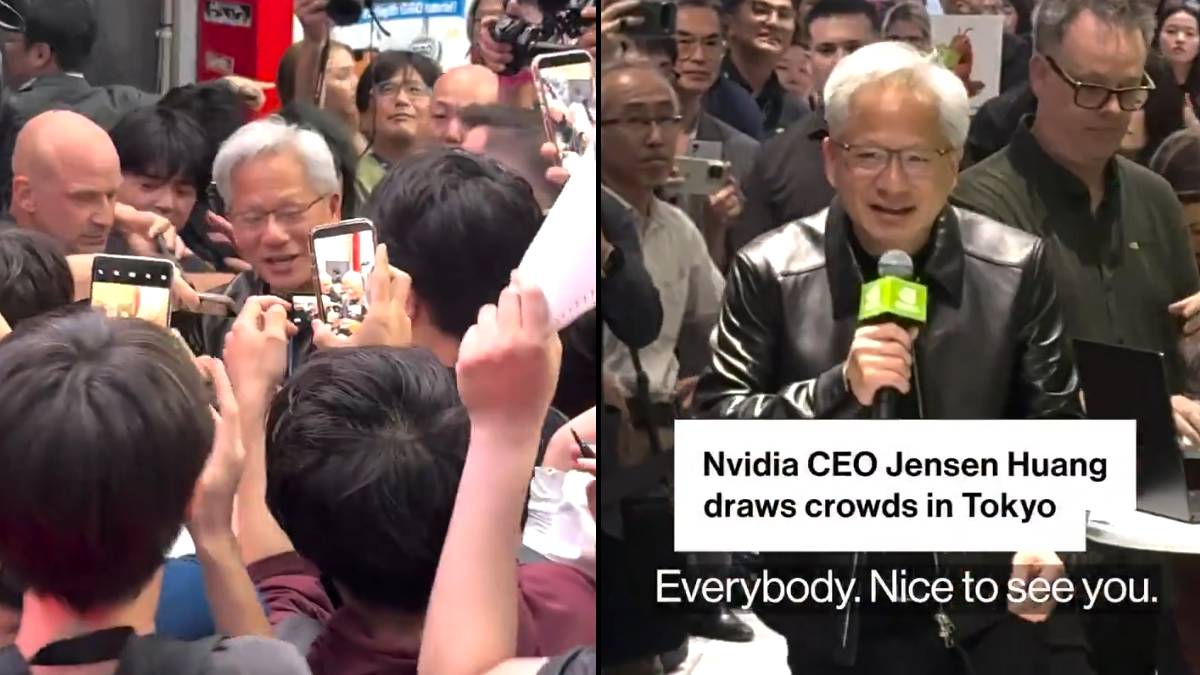
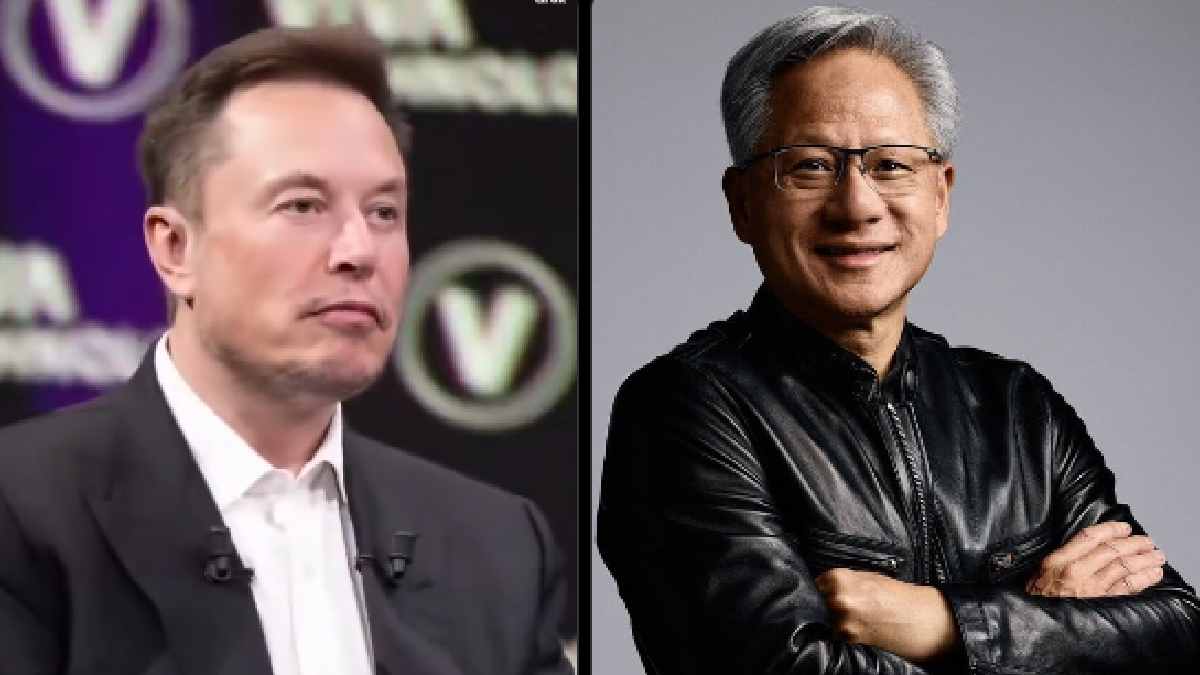
The financial news came at the same time as Nvidia’s leadership crisis took an extraordinary turn. Co-founder Jensen Huang who ran the company for more than three decades stepped down on November 12 after revelations about alleged personal relationships and questions about governance and national security of the company.
Reports also emerged that a businesswoman tied to the controversy allegedly had ties to Chinese intelligence and transferred restricted semiconductor technology. Those allegations have been looked into by US authorities. The company has not publicly declared the allegations fact, and investigations remain a major concern for investors and policymakers alike.
Huang made a dramatic announcement before the earnings call that he would be honoured to return to Nvidia if the board thought it was in the best interest of the company, its employees and shareholders (several prominent technology industry figures and supporters had called for his return through a campaign now known as Bring Jensen Back).
Nvidia chairman Harvey Jones rejected that possibility on the earnings call. He said the board had unanimously accepted Huang’s resignation and did not intend to reinstate him as CEO. Interim CEO and CFO Colette Kress reiterated this decision: “We will continue business as usual and focus on future growth rather than revisiting leadership decision.”
With Huang out, Nvidia’s board has started looking for a permanent replacement. The company reportedly hired executive search firm Heidrick & Struggles to help find candidates (internal and external).
Colette Kress will continue as interim CEO (the board believes she understands Nvidia’s financial operations, customers and business strategy), while the board created a national security and export control oversight committee because the company is increasingly under scrutiny about the international distribution of its advanced AI chips. The next chief exec will have to manage not only Nvidia’s technological expansion but also regulatory challenges and relationships with governments around the world.
For the future, Nvidia is upbeat about its financial outlook even though there are uncertainties in leadership. Fourth quarter fiscal 2027 revenue (plus or minus 3%) will be $130 billion higher than the average analyst estimate of around $125.25 billion. It raised its fiscal 2028 revenue growth projection from 70% to around 75%, citing stronger customer demand and increased supply availability (fourth quarter revenue forecast does not assume any data centre compute revenue from China).
Next generation Vera Rubin computing platform has entered production and shipped out another growth opportunity for expanding AI hardware business.
Nvidia’s latest results show that its business has grown past relying on its co-founder's public presence and leadership. But Huang’s exit is a big turning point for a company whose technology roadmap, customer relationships and global influence were all built under his leadership over more than 30 years. Investors will now watch how the new leadership deals with product development, AI chip demand, international trade restrictions and regulatory investigations.
The record-breaking revenue and strong future outlook have given investors confidence in Nvidia’s business prospects, but whether or not it can maintain dominance without Jensen Huang at the helm will be one of the biggest tech industry stories to watch in the coming months.






Comments