
Pakistan denied that fighter jets from the Pakistan Air Force (PAF) were involved in military operations to crush Iran-backed Houthi rebels in Yemen, dismissing allegations that could raise questions about Islamabad’s role in the growing security situation in the Middle East. The media has focused on Pakistan’s military involvement, its diplomatic ties across the region, and the wider context of its conflict with the Houthis and their foes.
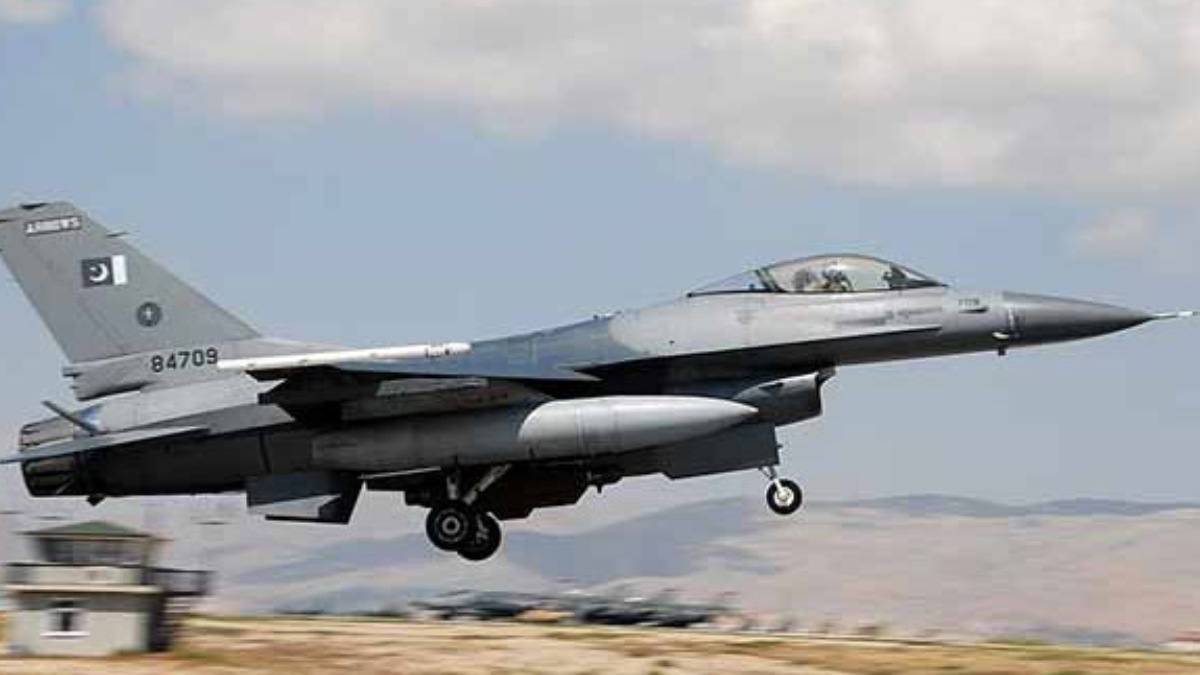
The denial comes amid continuing tensions in Yemen, where the Houthi movement has become a powerful military and political force. The group, formally known as Ansar Allah, administers large parts of northern Yemen, including the capital, Sanaa. Iran has given it different forms of support, but Tehran and the Houthis have different political and military interests.
The movement is playing an active role in Yemen’s long civil war and has attacked commercial shipping routes and interests in the Red Sea region, drawing military responses from countries looking for protection of maritime routes and regional security.
Pakistan’s involvement in attacks against the Houthis would be significant as the country has long maintained a delicate balance between relations with the military and security in the Middle East. Islamabad has good relations with Saudi Arabia and other Gulf countries, and it shares a border with Iran.
Any direct involvement of Pakistani military aircraft in operations against an Iran-friendly group could have a far-reaching diplomatic impact. But Pakistan’s denial means that the claim that Pakistan has used PAF jets is not accepted as fact without any independent verification.
The Houthi conflict has become a central component of regional security concerns because the Houthi movement attacked shipping in and around the Red Sea and the Gulf of Aden. These are important waterways for international trade as they are the gateway to the major commercial routes from Europe and Asia to the Middle East.
Disruptions in the region can force cargo vessels to take long routes, increase transportation costs, and create uncertainty for businesses that depend on international supply chains. Military operations targeting Houthi positions have attracted international attention such that governments have to balance the need to protect maritime commerce against the risk of further escalation.
For Pakistan, the distinction between diplomatic support for regional partners and direct involvement in military operations is especially important. Islamabad has always been concerned about instability in the Middle East and has been constantly under pressure to keep up with competing regional interests. Its relationship with Saudi Arabia includes defence and security cooperation, and its relations with Iran make the management of bilateral relations strategically significant. A Pakistani role in the Houthi strikes could also make this balancing act more difficult, and that is why reports of such involvement must be carefully verified.
Like the larger regional picture, there are many countries and military actors who have different objectives. The U.S. had previously targeted Houthi military capabilities, and so have international partners, particularly in relation to commercial ships and regional targets. Saudi Arabia has also been involved in Yemen’s conflict, but the nature of engagement has changed over time. Iran’s relationship with the Houthis is still an important topic of international security debates, but it can’t be reduced to a simple clash between Tehran and its rivals.
Pakistan’s denial is therefore significant in the context of the questions surrounding the countries involved in military operations in Yemen. Still, the denial would not be able to cover all the reasons the reports were made, and more independent, verifiable information would be required to establish how the reports originated and if Pakistani military assets were involved. Official statements, credible reporting, and operational details are essential to distinguish confirmed military activity from speculation.
The development indicates the sensitivity of military claims in a region with overlapping conflicts and geopolitical rivalries. Reports of the air force being involved in that conflict could have an impact on diplomatic calculations, public opinion, and perceptions of the conflict before the basic facts are known. Governments that are involved in or mentioned in such reports are aware of the need to clarify their positions so as not to cause misunderstandings that could escalate regional frictions.
As the situation in Yemen is under increasing international scrutiny, Pakistan’s position will remain relevant to regional security and the potential involvement of outside powers. For now, Islamabad has rejected the claims that Pakistan’s jets have been linked to attacks against Iran-backed Houthi rebels. The key question is whether there is any independent evidence that supports or disproves the allegations. Pakistan’s reported participation should not be presented as confirmed, and developments should be evaluated based on credible sources and official statements.







Comments