
India is preparing itself well for a huge growth in medical education, with the government planning to add 75,000 undergraduate and postgraduate medical seats by 2029.
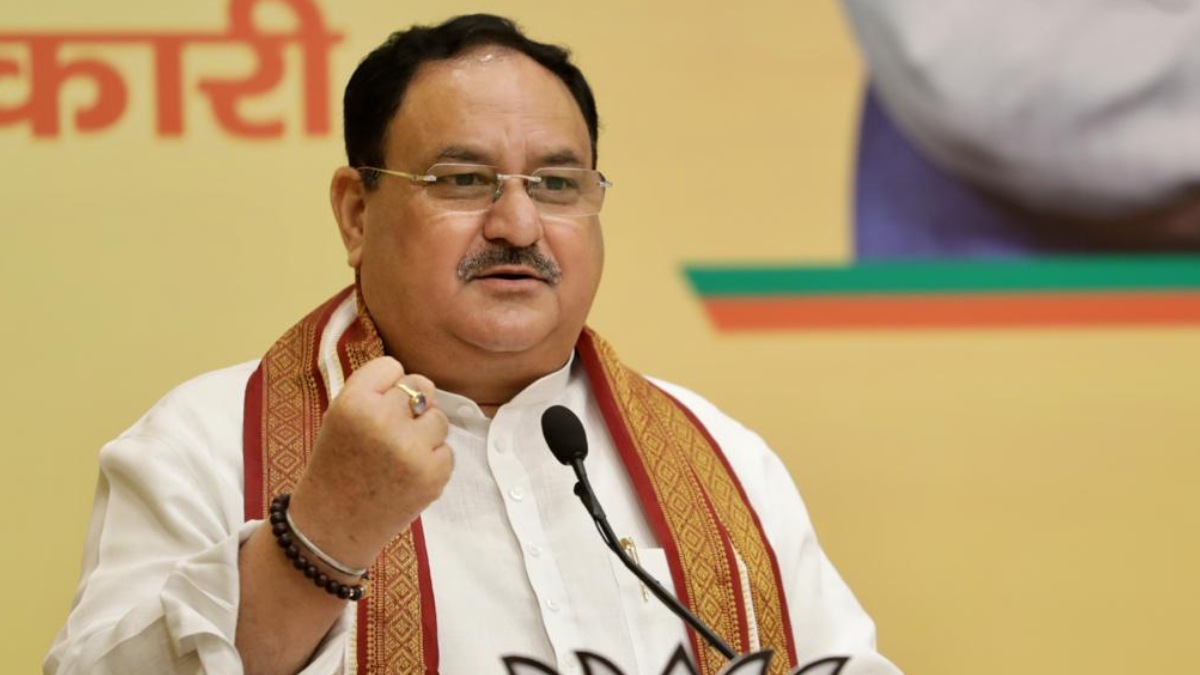
Union Health Minister JP Nadda has spoken of the country’s growing medical education network in terms of medical colleges and AIIMS. So the programme will create more opportunities for students aspiring to become doctors and improve India’s healthcare workforce.
The announcement comes at a time when demand for medical education is very high, as thousands of candidates compete for limited seats in undergraduate and postgraduate medical programmes every year.
The expansion target is part of the Centre's larger agenda of improving the recruitment of trained medical staff and healthcare delivery.
Nadda said approximately 23,000 additional medical seats had been created in the past two years, and he spoke at the 23rd convocation ceremony of the National Board of Examinations in Medical Sciences in May 2026.
As the number of seats increases, the government has also suggested that the medical education system should be strengthened and institutions should be better equipped to protect the quality of the education system.
India’s medical education system has blossomed in a decade. Government figures made in 2026 show that medical colleges have increased from 387 in 2014 to 800 today.
There are also more undergraduate medical seats and postgraduate training opportunities for specialist professionals. These changes are designed to make medical education more accessible for students as well as in the long run to meet the country’s continuing requirement for healthcare professionals.
Another part of this development is the expansion of All India Institutes of Medical Sciences (AIIMS) network. AIIMS provide medical education, research and specialised patient care.
The government has said 23 AIIMS institutions have been approved across the country and even operational status as well as services could differ. Building these institutions, and helping them grow and become better medical colleges are some of the government's stated goals.
So expansion of AIIMS facilities could contribute to better access to advanced treatment and specialist care in more regions, if the facilities have adequate staff, equipment and infrastructure.
The government has also announced funding for the expansion of medical education. In September 2025, the Union Cabinet approved an investment of ₹15,034 crore to make 10,023 additional undergraduate and postgraduate medical seats in existing government medical colleges and hospitals by 2028-29.
This is a plan with 5,023 undergraduate and 5,000 postgraduate seats. This is to use existing infrastructure and increase training capacity, and focus on the least-penetrated and under-resourced areas. These additional seats are part of the national plan to add 75,000 medical seats.
The proportion of seats could be increased in response to the high competition for medical admission. Postgraduate opportunities may also alleviate shortages in specialist care especially in areas where doctors are difficult to find and retain. But expanding capacity alone is not going to solve every problem in the healthcare system.
Medical colleges need experienced faculty, well-equipped labs, teaching hospitals, clinical training facilities and the exposure to patients in order to provide them with quality education.
New seats will also be important. If expansion reaches underserved districts and regions with fewer medical training facilities it could help to make healthcare workforce development more balanced.
Affordable education, transparent admission processes and uniform standards of education will be important challenges for the government as they go forward towards its goal.
As the 2029 deadline approaches, medical aspirants, educators and healthcare professionals will be watching the implementation of the 75,000-seat expansion plan closely.
The ambitious goal of India’s medical education system is to grow the number of seats but how to do that, and with whom and for how long, will be the long-term success of new seats, staff and support. The real test of success will be if the growth produces well-trained doctors and improves access to quality healthcare for all people in India.





Comments