
The conflict between Saudi Arabia and Yemen’s Iran-aligned Houthi movement has intensified following a recent series of deadly attacks on Saudi infrastructure and retaliatory military operations across Yemen. The Saudi-led coalition announced strikes Tuesday on facilities it said were linked to Houthi military capabilities, including fuel storage and transportation facilities.
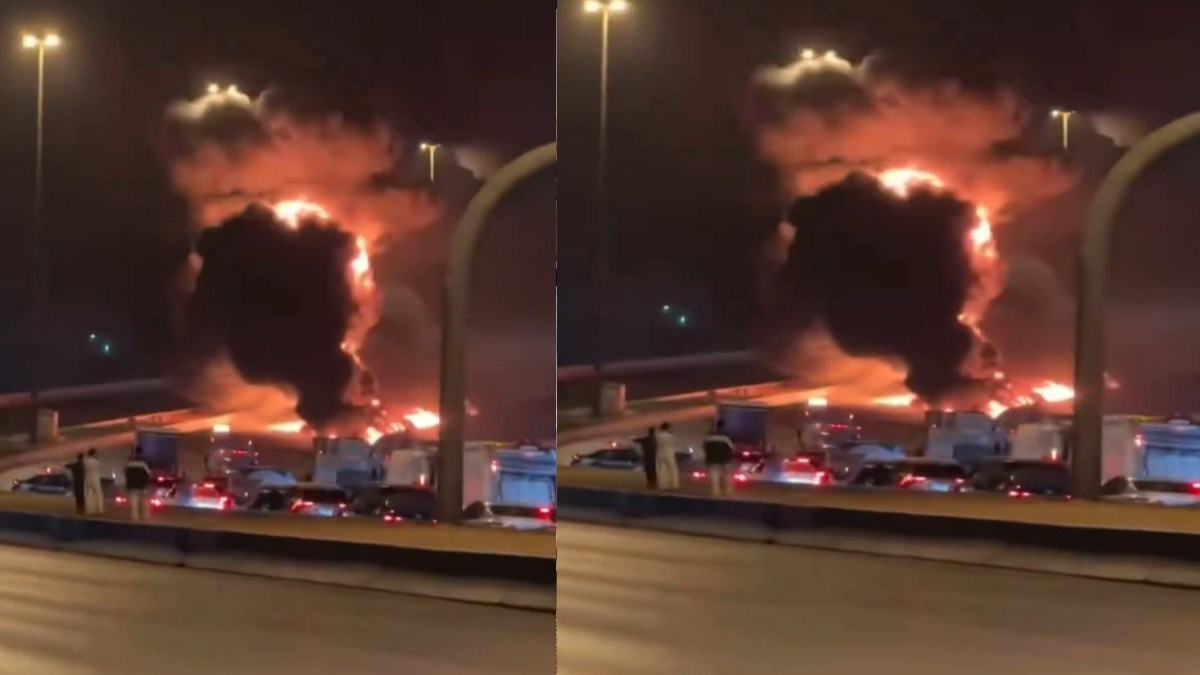
The attack at King Khalid International Airport in Riyadh killed civilians, injured hundreds and disrupted airport operations, Saudi authorities said. The October 10 airport attack killed at least 12 people and injured more than 300, and an October 11 attack killed one person and injured 11. The developments have raised serious concerns about civilian safety, regional security and the likelihood the conflict will spread to other parts of the Arabian Peninsula.
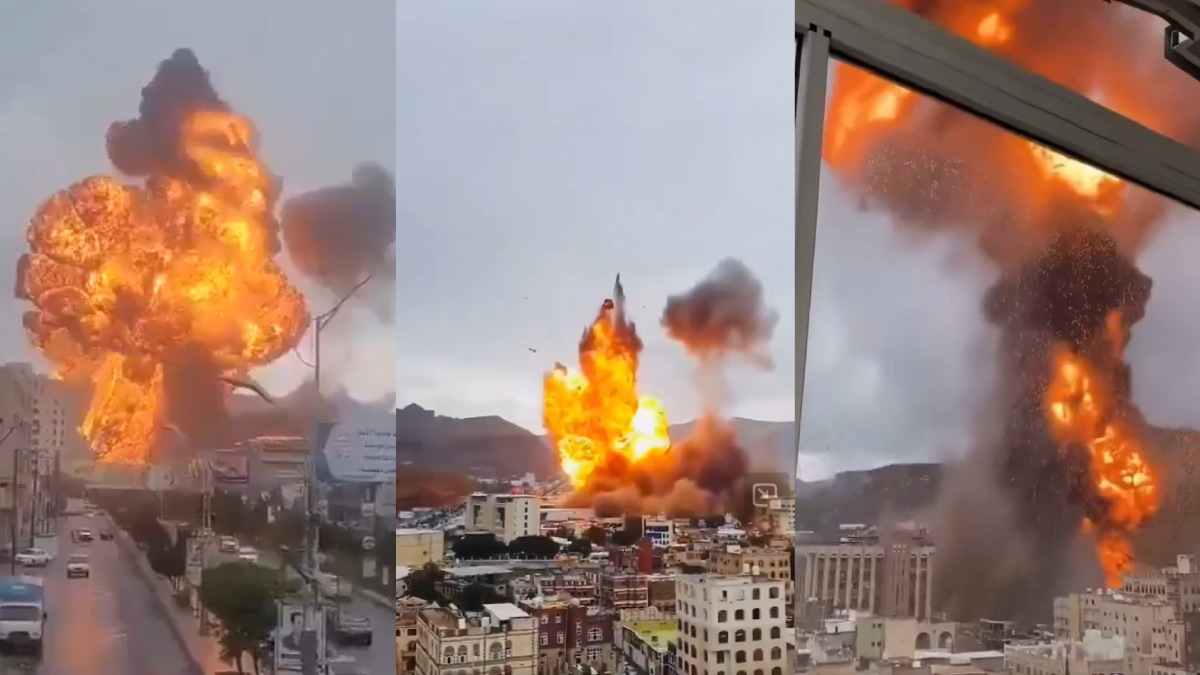
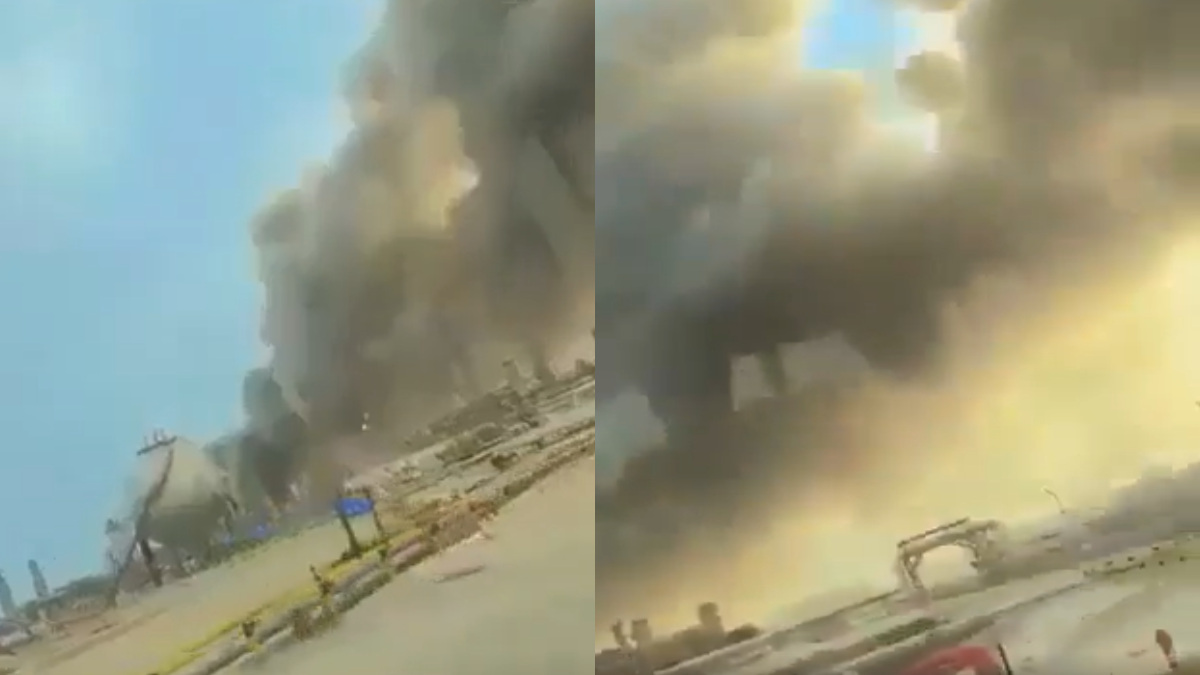
The Saudi-led coalition announced an evacuation warning for civilians around the Al-Sabaha Central Station, a Yemen Petroleum Company facility on the western outskirts of Sana’a, before the strike. Coalition spokesperson Major General Turki al-Maliki had released a map that identified the location and told civilians to leave the area.
Explosions broke out in the Yemeni capital, and Houthi-backed media and local reports said the facility had been targeted. The coalition said it targeted infrastructure it claimed was used to fuel Houthi military operations. Fuel facilities and other infrastructure in Hodeidah province and Dhamar were also targeted, it said. While an early evacuation warning was given, the full extent of the damage and any casualties associated with the strikes were not clear in the available reports.
The military escalation has also gone beyond Sana’a, with reports of operations on Saada, Al-Jawf, Kamaran Island and Qanawis. Meanwhile, the coalition also announced that its air defences had intercepted and destroyed three drones north of Riyadh, underscoring the continuing concern about aerial attacks on Saudi territory. The Houthis also claimed to have shot down a Saudi drone over Saada.
These competing military claims reflect the increasing aerial power of the conflict in which drones and missiles are now used for offensive and defence purposes. Independent verification of every reported strike, interception and claimed loss was not available. The widening geography of the reported operations also raises concerns about the safety of civilians living near military installations, fuel infrastructure and other strategically important sites.


The Houthis have responded to the Saudi-led coalition’s actions with more threats to Saudi infrastructure. Their military spokesman Yahya Saree said: “We have a firm and painful response.” Civilians and workers near Saudi energy installations are told to leave King Khalid International Airport and Saudi Aramco.
Such warnings have raised fears about further attacks on airports, oil facilities and other critical infrastructure. The recent strikes on Riyadh’s airport have already shown the impact on ordinary travellers and airport workers; attacks on energy facilities increase those fears of economic disruption and regional energy security. The competing threats suggest that neither side is indicating an immediate end to military operations, but the longer-term course of the conflict is unclear.
The latest confrontation is also part of a larger war over control of strategic areas of Yemen, particularly around the Red Sea and the Bab el-Mandeb Strait. Yemen’s internationally recognised government and coalition forces are in Operation Yemen Dawn to pull back the Houthis.
The campaign has focused on the coastal areas above the coastline and around the strategic maritime passage connecting the Red Sea to the Gulf of Aden and of particular importance to international shipping. Government forces have made progress in the Dhubab zone and near the port of Mokha, and Saudi-led coalition aircraft have been providing support. It could also disrupt shipping and compound the humanitarian crisis in a country already in the midst of years of conflict.
We are in a war with the Houthis, and the Saudi-backed coalition and the priority must be saving people and preventing a much bigger regional war. Attacks on airports and threats to energy infrastructure have far-reaching consequences for people, workers, and local and international trade.
Likewise, air strikes near fuel and other civilian facilities in Yemen could also put lives at risk and shut down access to essential supplies. These attacks and retaliation are to be analysed in line with international humanitarian law, including the principles of distinction, proportionality and precautions to protect civilians. With diplomatic options under pressure and military activity going on on several fronts, the next few days will be the test to see if the conflict escalates or if there is a chance that there will be a de-escalation.








Comments