
South Korea’s Education Minister Choi Kyo-jin resigned on Sunday after a high profile AI-assisted cheating scandal unleashed public outrage and last minute chaos ahead of the country’s most important college entrance exam.
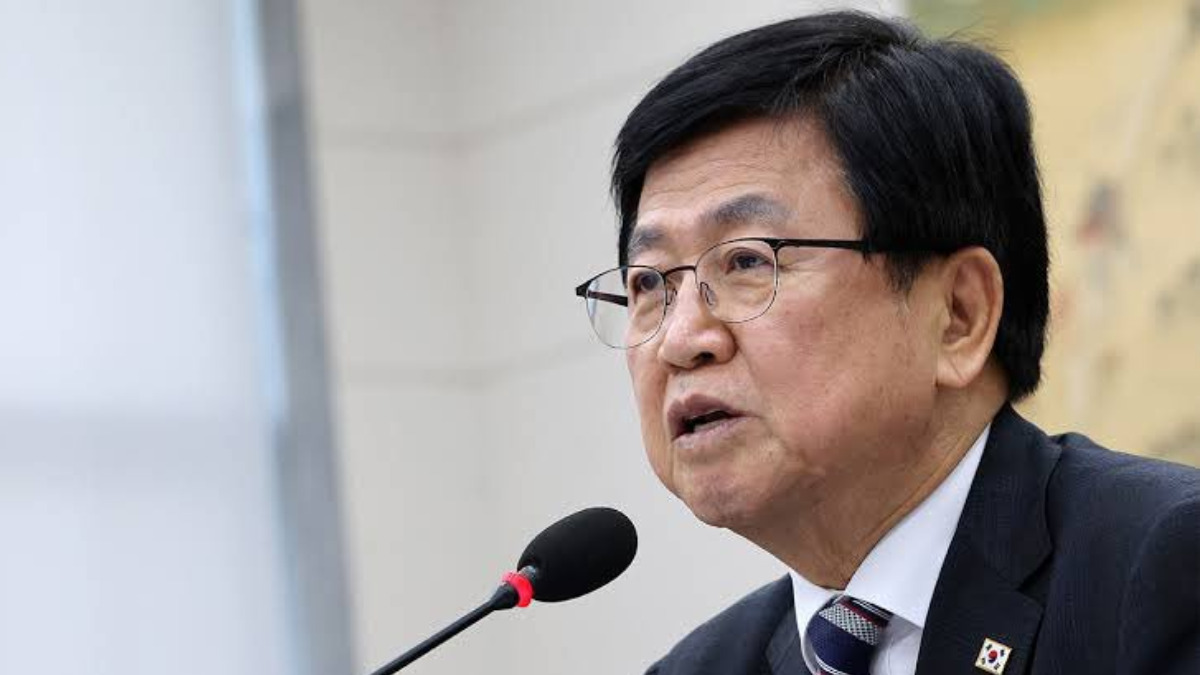
President Lee Jae-myung accepted the resignation within an hour, a quick political reaction to criticism of how the government handled the issue. The crisis began Nov. 15 when the top scorer in the national tax accountant certification exam publicly confessed he had used a miniature camera, smartphone and artificial intelligence tools to get a near-perfect score.
He admitted to photographing test questions with a hidden camera, sending them to an AI system, and checking answers on his phone. His unusually high marks had already raised suspicions, but his confession just days before the College Scholastic Ability Test (Suneung or CSAT) sent shockwaves through the education system.

The Suneung is held on November 19 and taken by roughly 500,000–550,000 students; it’s widely considered one of the most important exams in South Korea. Test results matter for university admissions and career and social prospects in a highly competitive society.
Fearing that similar AI-powered methods would be used during Suneung, authorities scrambled to find countermeasures. Education Ministry tightened rules at short notice. Items not allowed into exam rooms (in some cases pencils only) were put on clothing buttons; stickers were placed over miniature cameras; glasses and watches were inspected; Wi-Fi at test sites was restricted; thousands of additional proctors and device-detection specialists were deployed.
Officials issued multiple nationwide emergency alerts on mobile phones during the exam in an attempt to find concealed devices students had not surrendered. Authorities later said 111 candidates were found with unauthorised smart devices, including items such as smart glasses or miniature cameras.
Although the actual exam went off without major incidents, the sudden rule changes caused much confusion among students, parents, teachers and test administrators. Critics said the ministry wasn’t prepared ahead of time and reacted too late after the exam confession. Choi himself took particular criticism after a parliamentary hearing in which he said (when asked whether authorities could catch AI-assisted cheaters) that “I’m not sure” because “I’m old.”
The 72-year-old minister was also criticised for his limited public appearances in the days before the exam vice-minister did several briefings instead. In Choi’s resignation statement, he admitted to the problems: “As the minister in charge, I believe we cannot escape criticism that we didn’t prepare beforehand,” he wrote.
“Now that the exam is over, I feel a deep sense of responsibility and offer my resignation.” President Lee (who has called for broader reforms of the examination system) accepted the offer immediately. Presidential office officials said the process to select a successor would follow normal procedures, but the president ordered the prime minister to handle follow-up measures on Suneung.
The episode has sharpened debate in South Korea about how to preserve the integrity of high-stakes exams in an age of rapidly advancing artificial intelligence and miniaturised devices. The government has said zero tolerance for cheating, but the speed of response and disruption have left many wondering whether the system was ready for emerging technological threats.
The resignation of the education minister highlights how political and social importance is placed on Suneung and public demand for fairness in an examination that affects the futures of hundreds of thousands of young people every year.





Comments