
US President Donald Trump has hailed India’s economic growth and relatively low interest rates while launching another attack on the US Federal Reserve. Referring to India’s roughly 7% GDP growth, Trump said that “if our central bank cut borrowing costs as much as they did in India we could get a lot more out of our economy than we do now”.
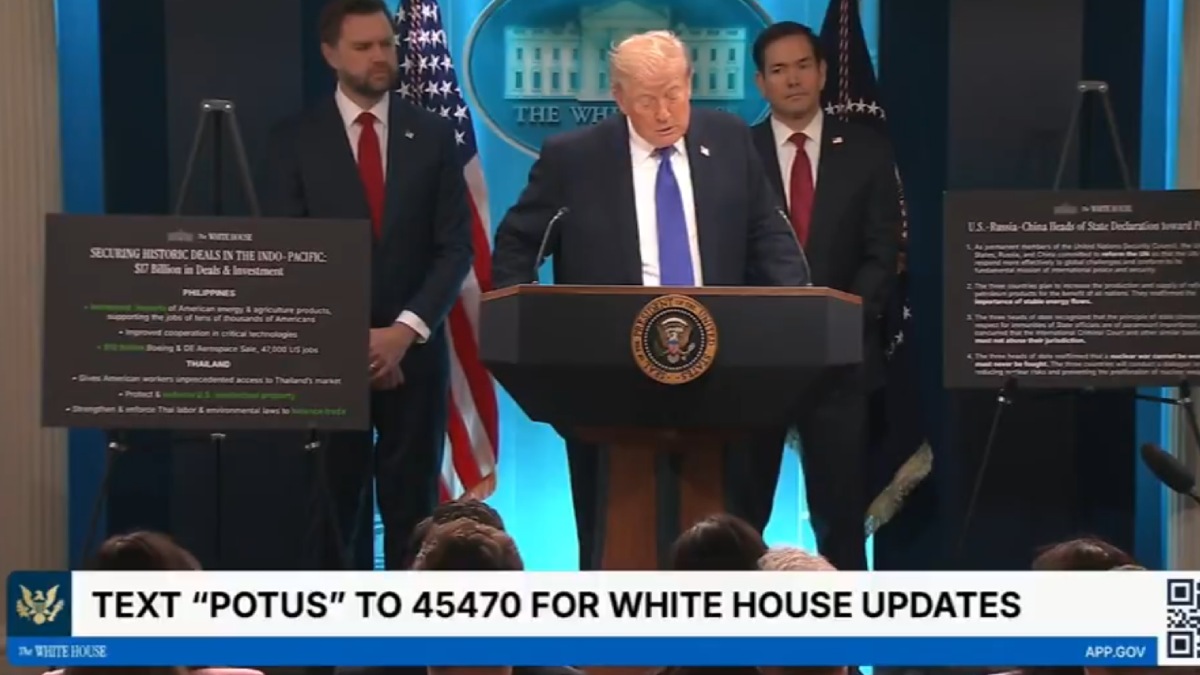
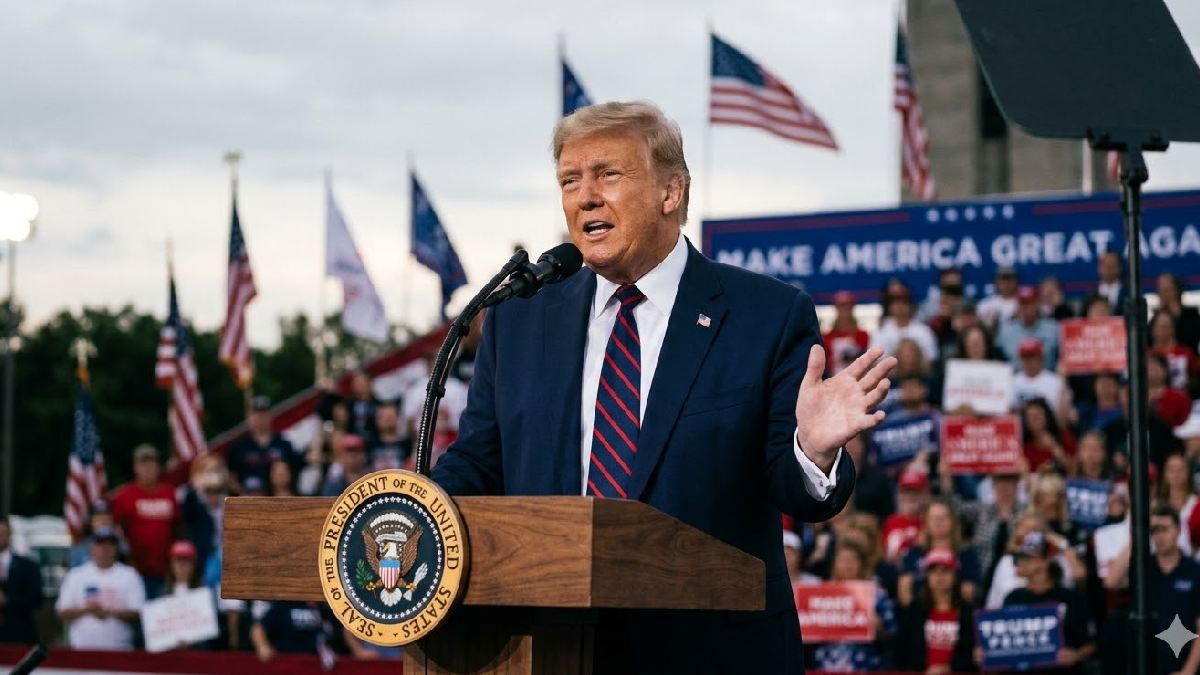
Trump told reporters at the White House on Friday, November 20, 2026 that the Federal Reserve is “very political” and questioned how it makes interest-rate decisions. His remarks were reported on November 21 and have been noted because of his comparison of the Indian economy to the American one.
Trump Uses India's Economic Growth as an Example
Trump was talking to reporters and he talked about India’s economic performance as well as its relatively lower interest rates.
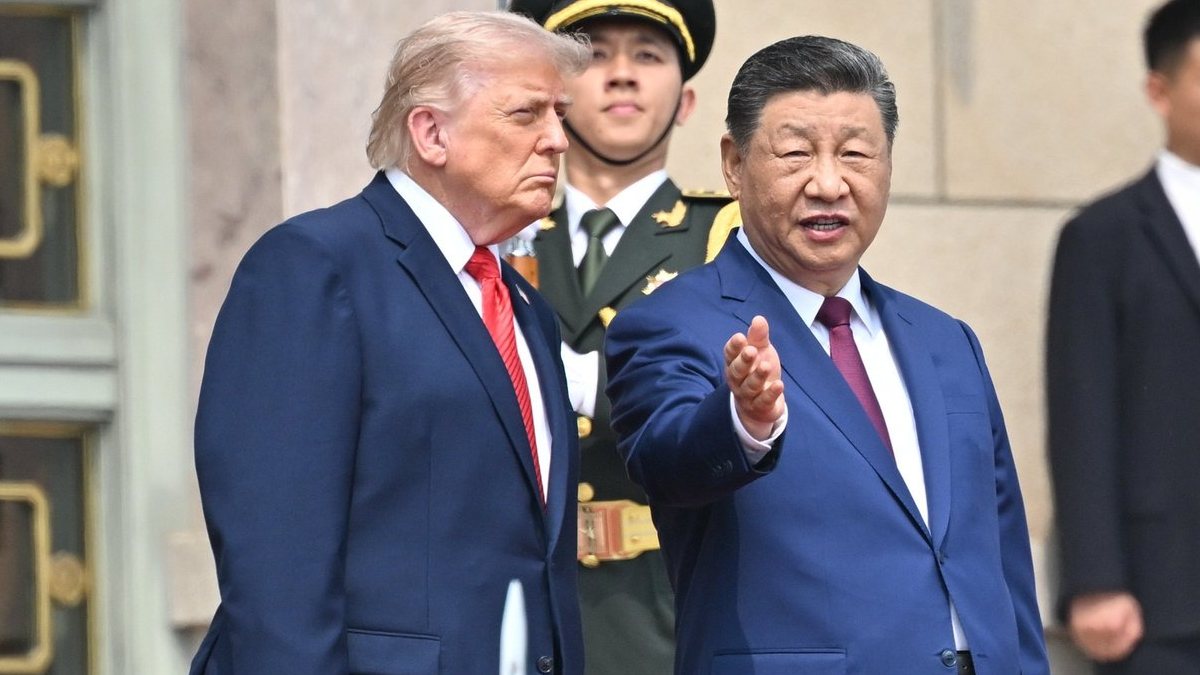
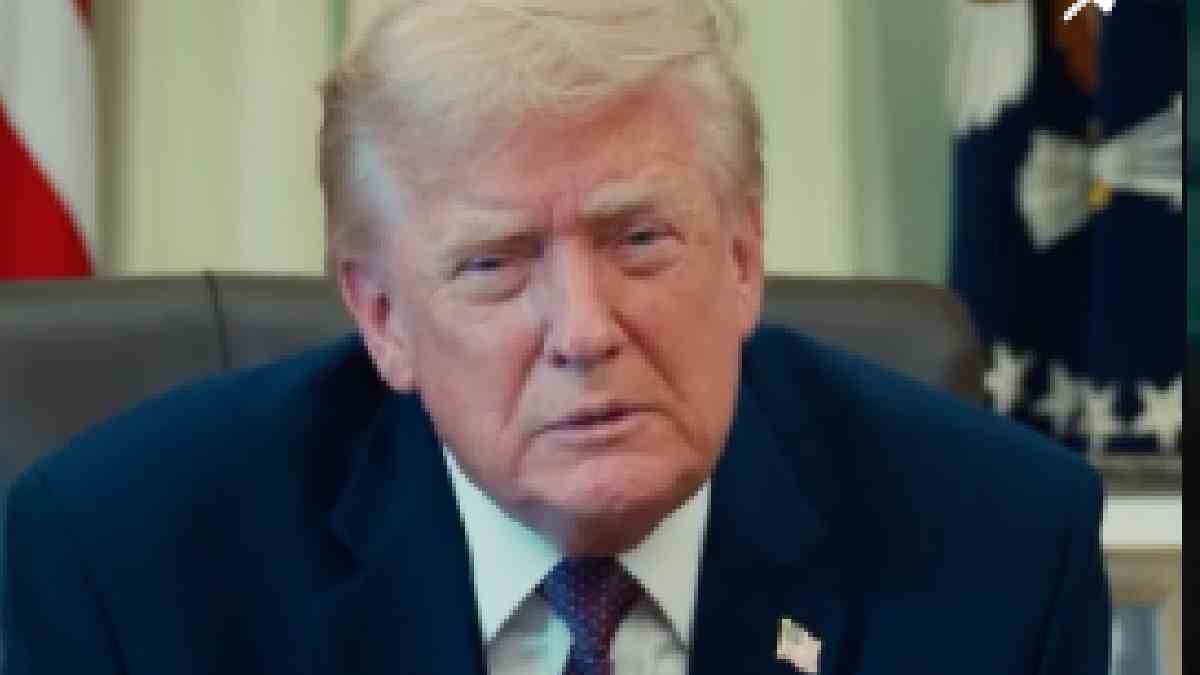
“If you look at India they have low interest rates and they have a 7% GDP,” Trump said.
He said the United States could have 14%, 15% or even 20% GDP growth if borrowing costs were reduced.
Trump said strong economic numbers should lead central banks to lower interest rates because good economic performance means better creditworthiness.
His comments put India’s economic growth back in the spotlight and renewed the debate over monetary policy in the U.S.
Trump Accuses US Federal Reserve of Political Influence
Trump also criticised the Federal Reserve for keeping interest rates (which he says are too high) at an “excessive” level.
He said the central bank took a political approach and that it raised borrowing costs even when the American economy was showing encouraging economic figures.
“Interest rates are too high because we have a very political Fed,” Trump said.
He also mentioned former Federal Reserve chairman Alan Greenspan, praising his approach to monetary policy and saying interest rates should be lowered when economic conditions improve.
Lower borrowing costs would allow the US economy to expand faster and let the government pay down its national debt more quickly, Trump said.
But his 15% to 20% growth rate projection is his personal economic argument not an official forecast.
#WATCH | Washington, DC: US President Donald Trump says, "If you look at India, they have low interest rates and they have a 7% GDP. We'd have a 14%, 15%, maybe even a 20% GDP..." (Source: The White House) https://t.co/1AAbhdyFZG
— ANI (@ANI) November 20, 2026
Why Does Trump Want Lower Interest Rates?
Interest rates affect borrowing costs for households, businesses and governments. Lower interest rates can make loans cheaper so spending, investment and business expansion will be more affordable.
Trump says cutting borrowing costs would help American businesses and spur economic growth.
But the Federal Reserve has a different job. Its monetary policy decisions are based on its objectives (price stability and maximum employment).
Central bank policymakers need to take inflation, employment conditions and broader economic trends into account before changing interest rates.
Where Do India and US Interest Rates Stand?
India’s monetary policy has been noted because its borrowing costs are relatively low compared to the US.
The RBI raised repo rate to 5.5% in September 2026, reports say. The US Federal Reserve raised benchmark interest-rate range to 3.75%-4% in September and kept it there in October.
But interest rates cannot be compared directly because of inflation, currency conditions and different structures of the two economies.
India has continued to grow strongly and remains one of the world’s fastest growing major economies.
Trump's Remarks Renew Debate Over Federal Reserve Policy
Trump’s latest comments show his continuing disagreement with the US central bank over borrowing costs.
The president wants lower interest rates to speed up economic growth but Fed policymakers must also keep inflation from rising.
His comparison with India has brought the country’s economic performance into an international monetary policy discussion.
The debate about interest rates and economic growth will therefore continue to be an important one for investors, businesses and policymakers in both countries.





Comments