
United Airlines has been hit by another major technology problem as flight crews delayed departures at several US airports after a widespread system outage on Monday (November 16).
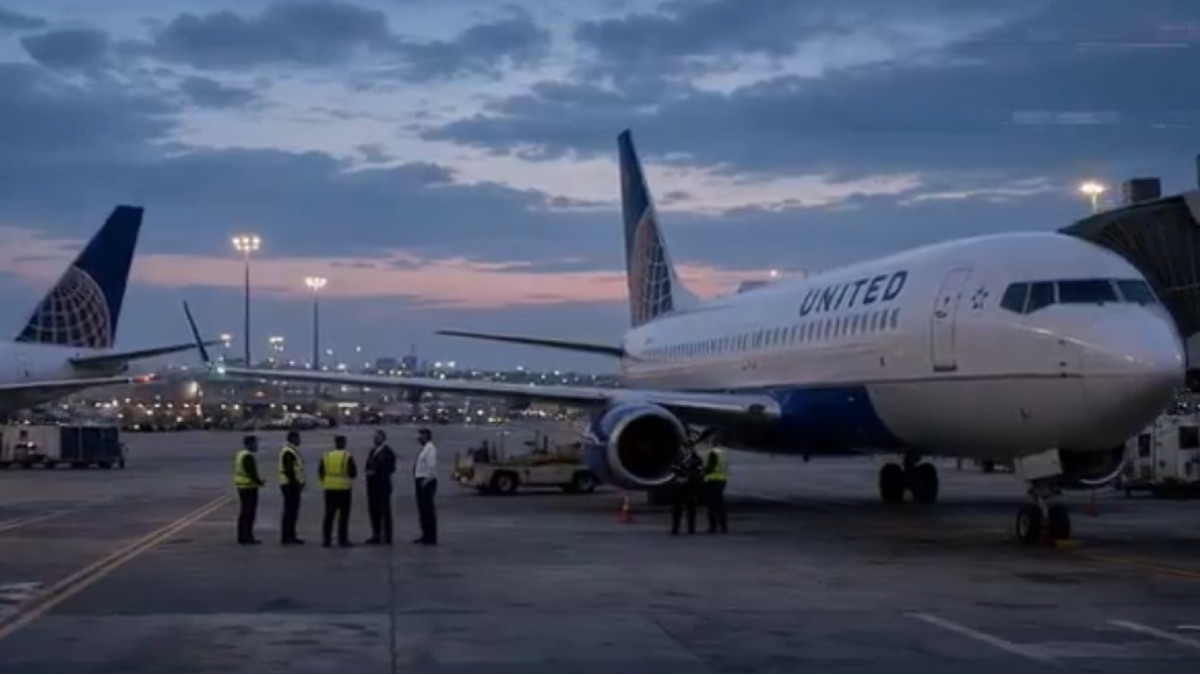
The latest incident affected the airline’s operational systems and meant pilots couldn’t get the information they needed before taking off safely; hundreds of passengers were delayed as planes sat at airport gates while teams worked to fix the technology.
It comes just days after a separate technical failure in the Federal Aviation Administration’s telecommunications network triggered a nationwide ground stop that led to widespread cancellations and delays across the US aviation sector. United Airlines said later that its latest technology problem had been fixed, but the disruption has renewed fears about the reliability of computer systems used by major airlines.

The disruption began on Monday afternoon when United Airlines “had problems with multiple applications used by flight crews” (crew communications, messaging and applications for flight planning and operational management), reports said. One of the biggest problems was that the airline couldn’t tell pilots final aircraft weight information before departure.
Pilots must calculate takeoff performance from weight, runway conditions and prevailing weather, so without that information, flight crews can’t complete safety calculations required before takeoff. Pilots were told to wait at airport gates until they had the information. Air traffic control tapes showed a United Airlines pilot at Houston asking permission to stay at the gate while the system recovered.
The Air Line Pilots Association (ALPA), which represents United Airlines pilots, issued a notice to members saying that an operational outage had hit the entire fleet. The union said technical failure affected several applications (crew messaging systems among them) and prevented the airline from giving final aircraft weight information to departing flights.
🇺🇸🚨: United Airlines technology outage (Nov 16, 2026) — resolved On Monday afternoon, #United experienced a roughly 90-minute system outage that prevented crews from receiving final aircraft weight-and-balance data required for departure. This delayed some mainline #flights (reports of planes held at gates or returning). Flights already airborne and United Express regional flights were unaffected. At LAX and other airports, check-in operations stayed relatively calm. United confirmed the issue was technology-related, resolved it the same evening, and stated there was no indication of a cybersecurity incident. Some delays occurred, but the overall impact was limited compared with the prior FAA ground stop.
— World_Breaking_News03 (@Breaking2003) November 17, 2026
Pilots were told to coordinate with local United Airlines personnel and follow operational instructions while the problem was being worked out. Flight crews also reportedly had trouble accessing some operational applications, which complicated departure procedures. It was reported that it took about one hour and 40 minutes for the airline to restore affected systems.
Flight tracking site FlightAware reported that United Airlines’ operations were disrupted during the incident. Reports said that about 600 flights had been delayed by Monday evening (not all of which were due to the technology outage), but around 25 cancellations were also in the airline’s schedule over the same period.
These figures showed how a relatively short technical failure on an airline running hundreds of flights per day could impact passengers waiting at airports for departure times; airline teams trying to clear the operational backlog; and how a problem affecting one airline’s internal technology infrastructure can disrupt multiple airports.
United Airlines later said the technology problem had been resolved. In a statement, the Chicago-based carrier apologised to customers for the inconvenience caused by the disruption and added that some departing flights were delayed but that flights already in the air were not impacted.
Operations carried out by United Express, its regional airline network, also went ahead without interruption. The company added there was “no indication” that the technical problem was related to a cybersecurity incident. United Airlines didn’t immediately reveal what technical cause of the failure it found or which systems were affected.
The latest incident is particularly bad timing because it happened just a few days after another major disruption to the US aviation network: On November 13, FAA telecommunications equipment malfunctioned and flight departures were temporarily halted across the country (the ground stop lasted about four and a half hours before the agency lifted restrictions).
The technical problem was reportedly caused by a router that failed and overloaded parts of the existing air traffic control communications infrastructure. Thousands of flights were cancelled or delayed as passengers passed through several major American airports; airlines continued having operational problems over the following days as they tried to reposition aircraft, crews and baggage disrupted by the grounding.
United Airlines has had similar technology problems in the past. In August 2025, a failure of its Unimatic computer system grounded flights and delayed more than 1,000 flights. The system provides operational information used by several airline applications.
The latest outage therefore raises questions about how dependent modern aviation is on interconnected digital infrastructure. Technology is necessary to manage flight schedules, aircraft performance calculations, crew communication and passenger services, but failures in critical systems can affect thousands of travellers within minutes.
For passengers, the latest disruption is another reminder to check flight updates and check directly with airlines before going to airports. United Airlines has said the latest technical problem has been resolved, but residual delays can still occur after systems are back to normal because aircraft and crew schedules may need reorganising. It also shows that backup systems and stronger technology infrastructure are needed across the aviation industry air travel is becoming more digital dependent so airlines and aviation authorities have increasing pressure on them to make sure that technical failures don’t keep happening again disrupting passenger services and essential flight operations.





Comments