
Meta Platforms, the parent company of Facebook, WhatsApp, and Instagram, was accused of sacking nearly 8,000 employees in a sweeping restructuring of its business around artificial intelligence (AI).
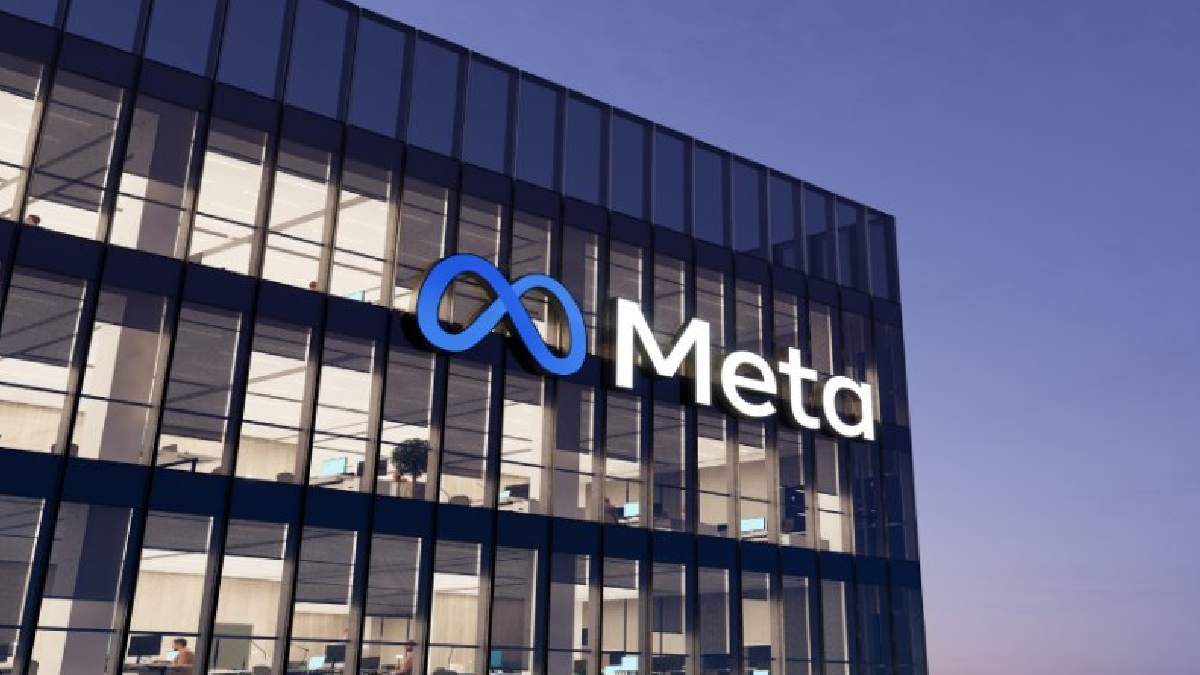
The layoffs represent almost 10 per cent of the company’s global workforce and have rattled the tech industry. Meta had the opposite attitude at the time of its layoffs. Instead of approaching employees through HR meetings directly and sending them a pink slip, it said that employees would need to work from home before sending layoff emails to employees involved.
Workers were shocked to find notices about termination embedded in their inboxes as early as 4 a.m. Meta used to employ around 78,000 workers. Among those, approximately 8,000 jobs will be phased out. Managerial roles are apparently the hardest hit (and the company also closed nearly 6,000 open job positions after its reorganisation effort).
Meanwhile, Meta is pouring capital into an AI-based approach. Up to 7,000 workers are being reassigned or recruited to new AI teams as CEO Mark Zuckerberg pushes Meta to become an AI-driven technology company, data reported. Engineer and product teams are, allegedly, being the hardest hit by layoffs, followed by the rest of the population.
The layoffs are being phased in, the sources said, and it shouldn’t be a shock to everyone that the emails haven’t reached all employees immediately. Industry insiders are concerned that the new wave of layoffs isn’t the end of the story: Meta could continue to cut workers further down the line this year on a rolling basis as though in a future round of layoffs.

The layoffs come after Meta increased spending a large amount on artificial intelligence infrastructure and equipment development. The company said it would spend between $125 billion and $145 billion this year on improving the AI environment in its operations, the creation of data centres, and high-tech computing capabilities.
Experts say this reorganisation follows a similar pattern that has been taking place in the worldwide tech industry throughout this month: businesses are now paying more attention to AI automation, smaller work groups and high-performing enterprises over lower-performing ones.
Meta’s strategy appears to be beginning a work-in-progress aimed at building smaller, more narrowly focused teams to enable the use of either more sophisticated AI systems or more resilient probabilistic computing models at scale. The work-from-home-before-layoffs phenomenon also spread quickly across how we do our jobs in tech.
Companies are opting for these remote layoffs to avoid unnecessary emotional tension and downtime at the workplace, analysts said. Numerous tech behemoths employed the same remote-laying-off strategies via e-mail over the past few years, and have been castigated for failing to reach people or assist their business in hiring or post-hiring.
Speculation about Meta’s potential layoffs had been rumoured for months in the air, and the company reportedly had privately said it was early on in restructuring the workplace. But anxiety had been persistent among workers, and amongst a growing number of them who felt a sudden avalanche of layoffs was coming.
Professionals expect the next technology job market to be one hiring people who are adept at design, maintenance, and optimisation of next-gen AI systems and will not simply write simple code. AI skills are bound to become more important through AI architecture, the growing machine learning ecosystem, and system governance of complex projects in the years to come.
Meta's reengineering shows how fast artificial intelligence is reshaping the workforce of tech in the world and also redefining the skills industry people need in a digital economy.









Comments
Leave a Comment