Uber CEO Dara Khosrowshahi has reignited the conversation about workplace culture by openly discussing how much he expects from his people at Uber. Working hard at Uber can, Khosrowshahi said, be done by reading emails and staying connected with colleagues even on weekends.
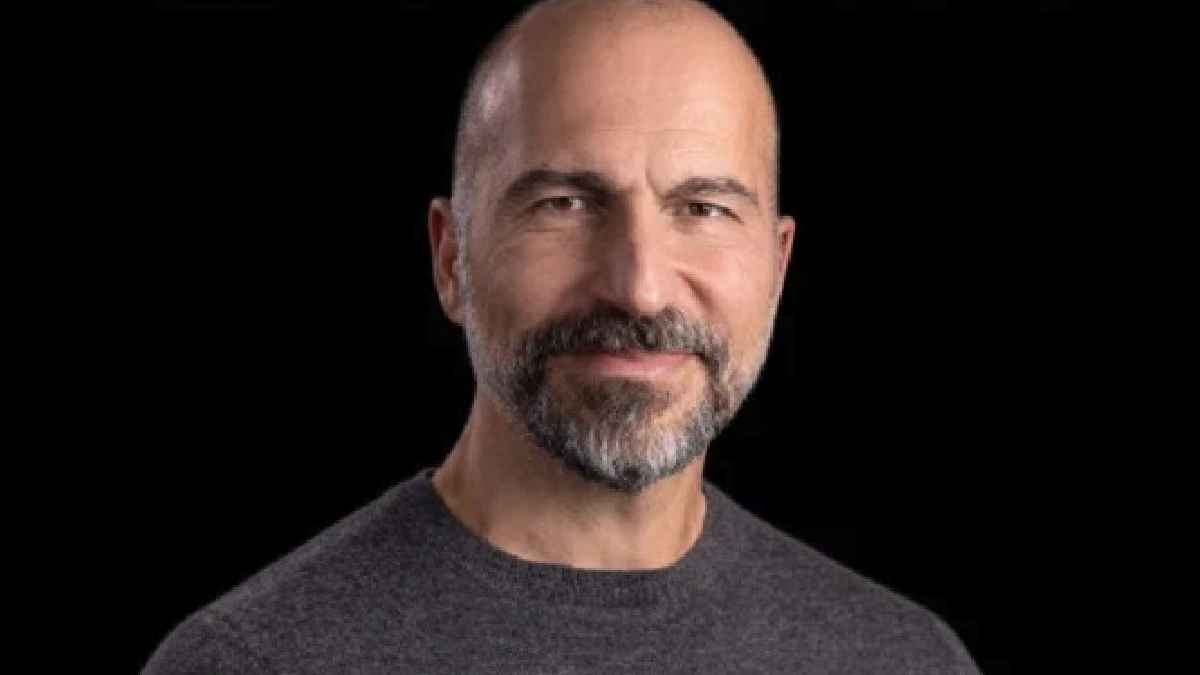
Khosrowshahi, speaking on the podcast “The Diary of a CEO” by Steven Bartlett, described Uber as “really demanding” and said employees should be prepared for a high level of commitment. He noted that, if they are looking for a relaxed work environment, the company won’t work for you at all.
Khosrowshahi said that sending work emails over the weekend is a part of his own way to keep connected with his team. If he sends an email to employees on a Saturday and does not get a response, he may follow up on Sunday with a question mark about what is going on.
Also for those who might prefer a slower pace, Uber’s boss said, “Don’t come here if you want to coast,” adding that the company expects people to work hard and perform consistently.
Khosrowshahi has previously spoken about hard work and said it is one of the most important skills a person can develop. He said employees might have different talents, but he personally does not want to be outworked.

At the same time, the Uber CEO has said that demanding work does not necessarily mean there can be no flexibility. He has noted that employees can make time for personal commitments while still having strong work expectations. Khosrowshahi said he made time for family dinners before going back to emails late at night.
His comments come at a time when workplace culture and work-life balance are still major topics of discussion across the technology industry. Companies are discussing remote work, four-day workweeks, after-hours communication, and expectations around employee availability.
Khosrowshahi became Uber’s CEO in 2017 after he previously served as the CEO of Expedia. Uber has seen many changes in its structure under his leadership.
The company announced in September 2026 that it would reduce its workforce by 10 percent (or about 3,300 employees) as part of a restructuring to simplify its organization and to reduce layers of management.
The CEO’s comments so far have drawn attention not only because they reflect the weekend-email expectation but also because they give a sense of the workplace culture he wants to build and maintain at Uber.
For employees, Khosrowshahi’s words underscore the difference between old-school work-life balance and leaders who want a demanding working environment.
His message is simple: flexibility is there, yes, but strong performance and commitment will always be at the heart of what Uber wants to be about.