Varanasi is not just a city; it is a living legend. Standing on the banks of the sacred Ganga, it has witnessed thousands of years of history, faith, and culture. While most know it as the spiritual capital of India, Varanasi hides countless secrets in its narrow lanes, ancient temples, and timeless ghats. From fires that never die to tunnels that whisper forgotten tales, this city is a treasure chest of mysteries waiting to be discovered. Step into Kashi, and you step into a world where myth and reality walk hand in hand.
1. Oldest Living City
Varanasi is more than 3,000 years old. Unlike many ancient cities that disappeared, it has always been alive. People have lived, prayed, and traded here for centuries. This makes Varanasi one of the oldest continuously inhabited cities in the world, filled with history and tradition.
2. City of Shiva
Hindus believe Lord Shiva founded Varanasi. The city is seen as his home, and the famous Kashi Vishwanath temple is dedicated to him. Pilgrims come from everywhere to worship, making Varanasi the spiritual capital of India and a place where faith and mythology are deeply connected.
3. Ghats Count
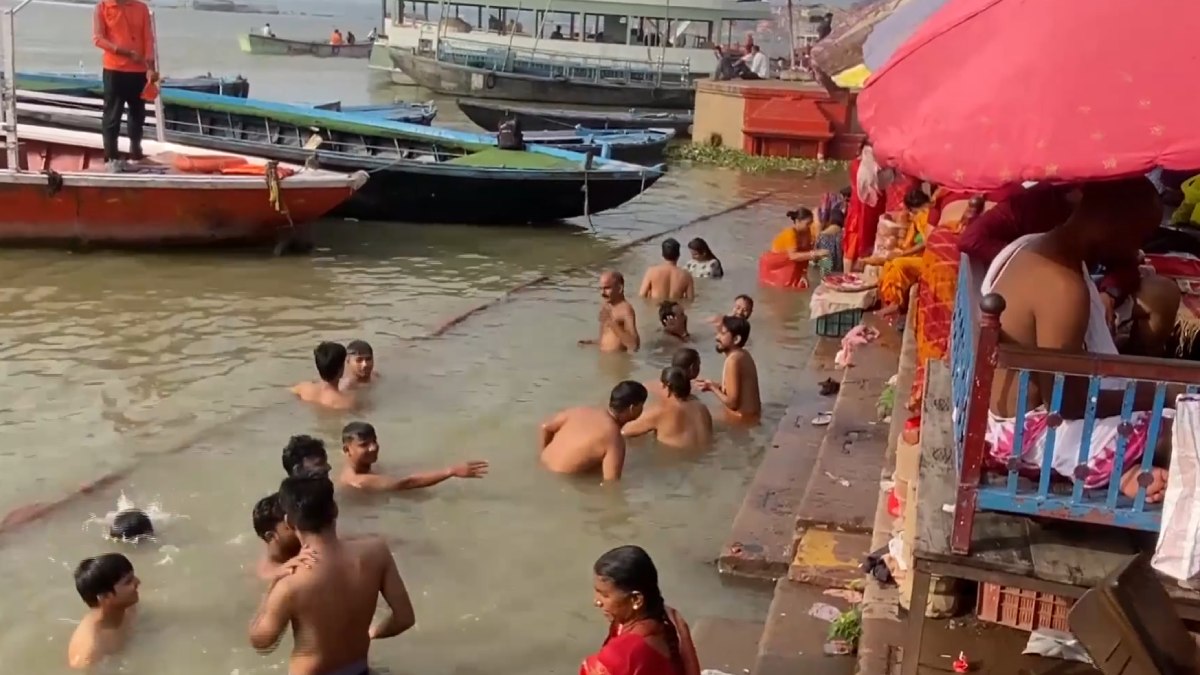
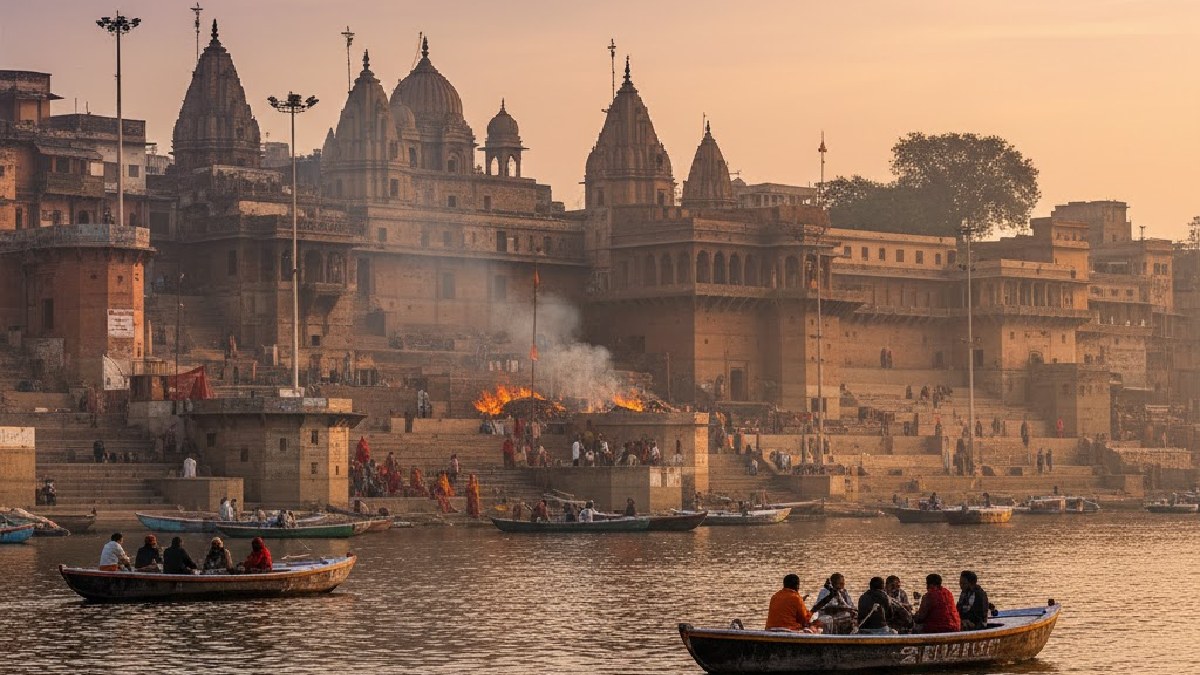
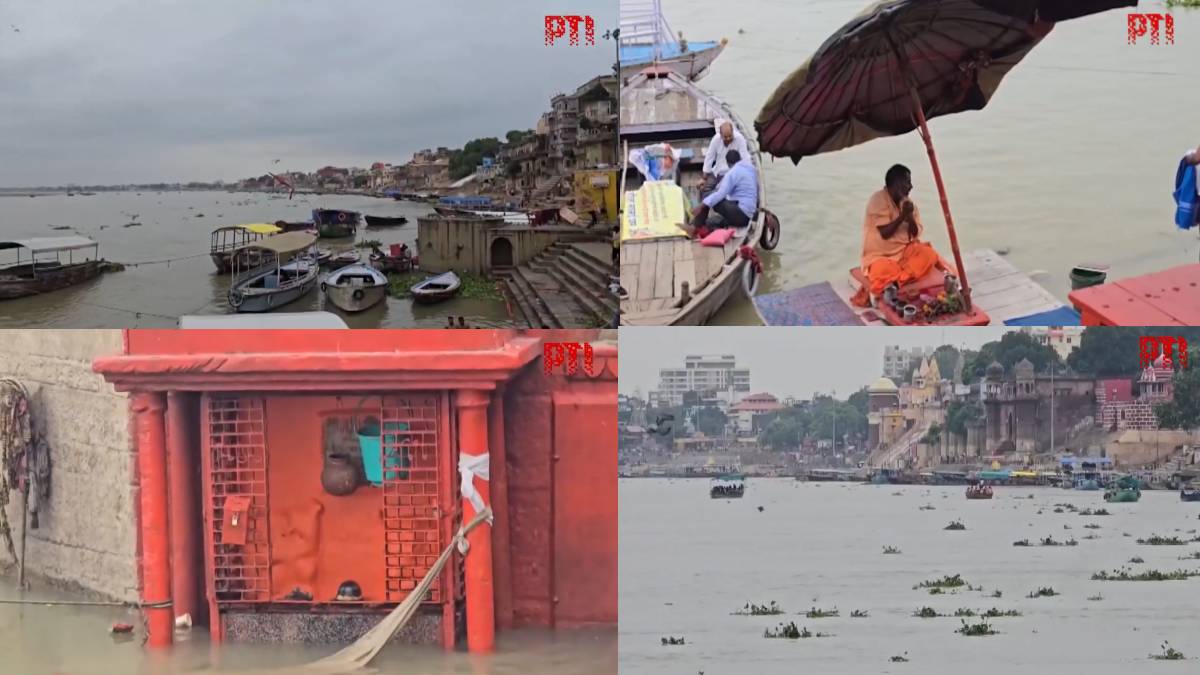
Varanasi has more than 80 ghats along the Ganges River. People use them for bathing, prayers, and cremations. Dashashwamedh Ghat is famous for evening aarti, while Manikarnika Ghat is known for funeral fires. Each ghat has its own story, showing the city’s spiritual and cultural life.
4. Center of Learning
Varanasi has always been a place of knowledge. Saints, poets, and thinkers like Buddha and Kabir lived here. Today, Banaras Hindu University continues this tradition. The city is known for learning in philosophy, music, and medicine, making it both a spiritual and educational center.
5. Silk Capital
Varanasi is famous for Banarasi silk sarees. These sarees are decorated with gold and silver threads and are worn at weddings and festivals. Weavers spend weeks making each saree. This tradition has lasted for centuries, making Varanasi a global center of beautiful handwoven silk.
6. Death and Moksha
Hindus believe dying in Varanasi gives moksha, freedom from rebirth. Many elderly people come here to spend their last days. Cremations at Manikarnika Ghat are seen as holy. This belief makes Varanasi a city where life and death are closely connected to spirituality.
7. Musical Heritage
Varanasi is home to great musicians like Ravi Shankar and Bismillah Khan. Music here is linked to devotion, often played at temples and ghats. Classical Hindustani music grew strong in this city, making Varanasi a center of melody, rhythm, and spiritual expression through sound.
8. Multiple Destructions
The Kashi Vishwanath temple was destroyed and rebuilt many times in history. Invaders demolished it, but faith kept bringing it back. The current temple was rebuilt in 1780 by Queen Ahilyabai Holkar. It shows the strength of devotion and the city’s ability to survive challenges.
9. Unique Cremation Ritual
At Manikarnika Ghat, funeral fires burn all day and night. Hindus believe cremation here ensures moksha. Families bring loved ones from across India for rituals. The eternal flames symbolize life and death, making this ghat one of the most sacred places in Varanasi.
10. Blend of Cultures
Varanasi is not only Hindu. Buddhism began nearby in Sarnath, Jain temples exist here, and Islamic culture shaped its architecture. This mix of traditions makes Varanasi a melting pot of religions and cultures, showing India’s diversity and harmony in one ancient city.