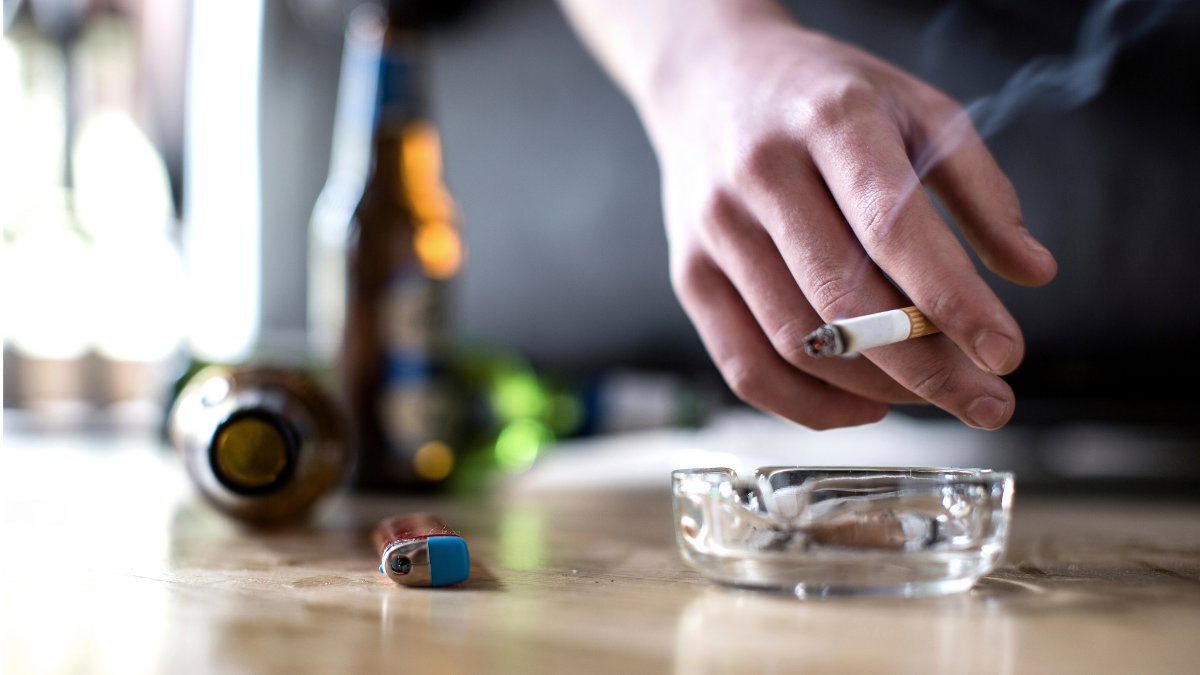
New Delhi: A quick cigarette between office meetings, a bidi after lunch or a pinch of smokeless tobacco during a stressful day may look harmless. But health experts say that brief tobacco breaks can be a precursor to nicotine addiction and significantly increase the risk of serious diseases like cancer, heart disease and chronic lung conditions.
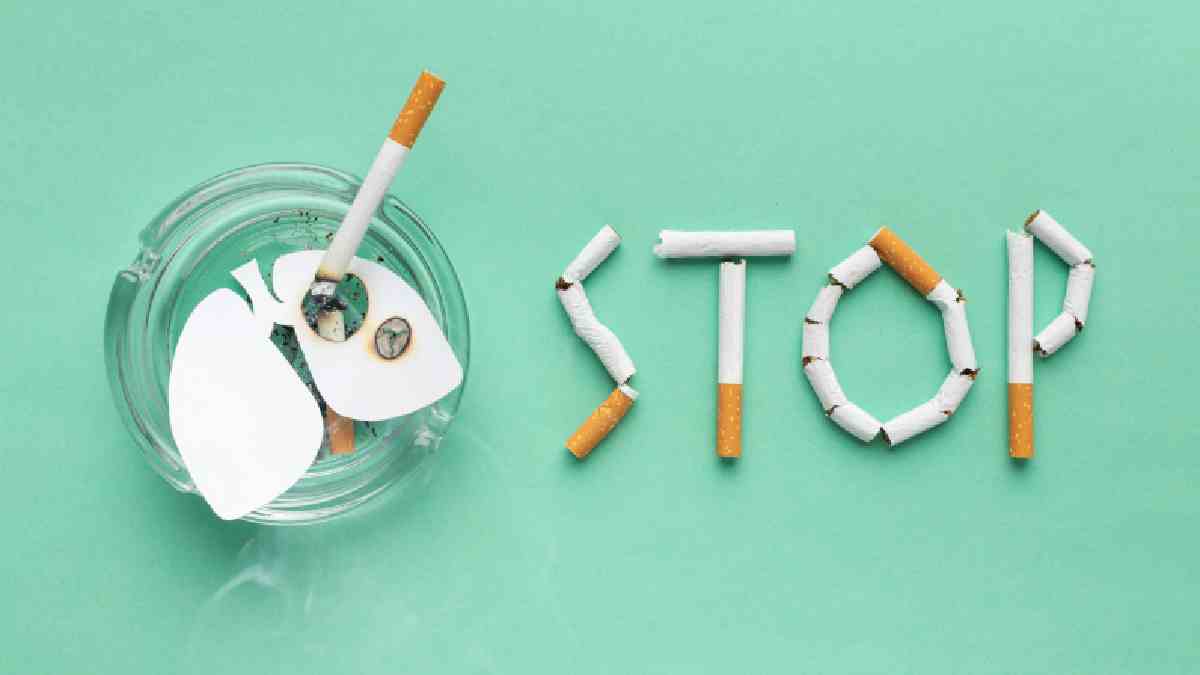
As Dr Jyoti Mehta, Radiation Oncologist at TGH Onco Life Cancer Centre, Talegaon, said, even a five-minute tobacco break can have lasting effects on the body. Nicotine enters the brain within seconds of inhalation, stimulating the brain's reward system and creating a cycle of dependence that makes users crave repeated doses.
How does nicotine lead to addiction?
Nicotine is one of the most addictive substances known. It leads to dopamine release, which is the pleasure and reward molecule in the blood. This gives you a feeling of peace, or even being awake, but it quickly wears off; you have to smoke tobacco again.
And nicotine has a brain that over time learns to adapt to nicotine, so it is hard to quit. What starts as a short cigarette break to smoke can eventually be a daily habit and then a long-term addiction.
There Is No Safe Level of Tobacco Use
The World Health Organization (WHO) states that there is no safe level of tobacco consumption. Whether it’s cigarettes, bidis, or cigars (or smokeless tobacco such as chewing tobacco), every form puts the body on the receiving end of harmful chemicals.

Cigarette smoke contains thousands of chemicals, including dozens of known carcinogens that damage cells and increase the likelihood of developing cancer.
Increased Risk of Cancer
Tobacco use is still one of the leading causes of preventable cancer worldwide. It has been linked to cancers of the:
- Lungs.
- Mouth.
- Tongue.
- Oesophagus.
- Stomach.
- Pancreas.
- Bladder.
- Kidney.
- Cervix
Smokeless tobacco products are also strongly associated with oral cancer and precancerous lesions inside the mouth.
Harm to the Heart and Blood Vessels
Smoking is far more harmful to the heart and blood vessels than the lungs. Nicotine increases blood pressure, increases heart rate, and damages blood vessels, making it easier for fatty deposits to build up inside arteries.
This raises the risk of
Heart attack
Stroke. High blood pressure. Peripheral artery disease
Even occasional smoking can impair blood circulation and reduce the amount of oxygen reaching vital organs.
Damage to the Lungs
Each puff of tobacco smoke exposes the lungs to toxic substances that inflame airways and destroy healthy lung tissue.
Long-term smoking increases the likelihood of:
- Chronic obstructive pulmonary disease (COPD).
- Chronic bronchitis. Emphysema.
- Persistent cough.
- Reduced lung function
Smoking weakens the immune system, making it harder for the body to fight respiratory infections.
Hidden Effects on Overall Health
Besides cancer and heart disease, tobacco use can lead to:
Reduced fertility
Weakened immunity
Slower wound healing
Premature ageing of the skin. Gum disease and tooth loss. Increased risk of diabetes complications
Second-hand smoke also poses health risks to family members, colleagues and children who are exposed to tobacco smoke.
Quitting Brings Immediate Benefits
Health experts will tell you that it’s never too late to quit smoking. Blood circulation and lung function are restored within days and weeks. Heart disease, stroke and several cancers are reduced over time as smokers stop smoking.
Healthcare professionals, counselling, nicotine replacement therapy and approved drugs can significantly increase the probability of quitting.
A Small Habit with Serious Consequences
And while a five-minute smoke break may seem insignificant, tobacco use can damage almost every organ in the body forever. The habit starts casually, but is a lifelong nicotine addiction with serious health effects.
Doctors suggest that smokers stop smoking and take short breaks to walk, engage in deep breathing exercises, stretch, or drink water. Small lifestyle changes we can make now can make a big difference as we age.