You wake up and an ache in your back can ruin your day. You can stretch out, walk around or take a breather before your body gets back into the swing.
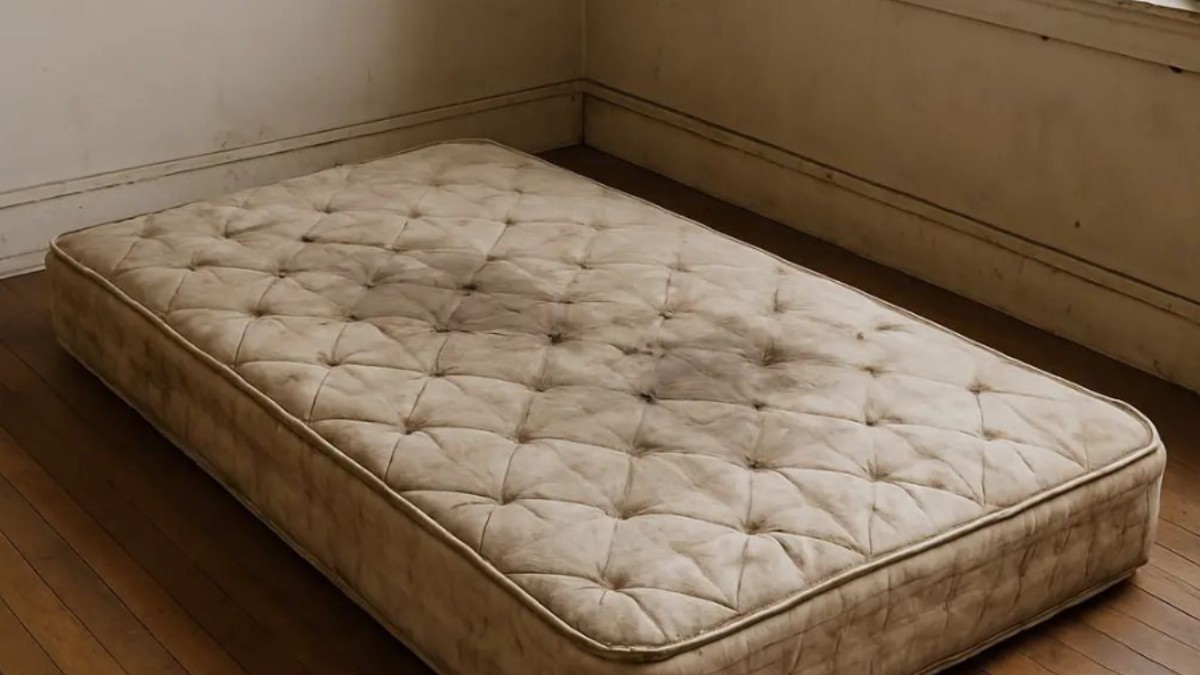
If your mattress is about eight years old, it may have lost some of its support. Mattresses don’t last forever. The foam is prone to break down, the springs can become weak and the surface can lose its original shape.
That does not mean you’re going to need to replace every eight-year-old mattress at this time, though. And good mattresses and durable materials can last longer if you do the right things. But you have to account for the mattress and how a person feels when he is sleeping on it.
If you wake up with back pain or stiffness every morning, your mattress needs to be examined from every angle and should be evaluated on a more careful examination.
What does having an old mattress do to your sleep?
Every night your mattress will support your body for several hours and you need that support for your body to be comfortable.
An old mattress may gradually lose this ability. You may notice that some parts have gotten softer than others. You may also see a dip in the area where you usually sleep.
When the mattress starts to sag, your body may sink into it more than before. This can make it harder to maintain a comfortable sleeping position and may contribute to morning aches and stiffness.
A mattress that is too hard can also put pressure on the shoulders and hips. The firmness is built into the body, sleeping position and person’s comfort.
It is important to sleep in the right place. Side sleepers usually require support in the shoulders and hips. Back sleepers need a mattress that is going to make them settle into the natural form of the spine. Stomach sleepers might feel more pressure around the lower back and neck at night.
That is why you should not assume that a very soft or very firm mattress will automatically solve back pain.
One indication that your mattress might have become uncomfortable is if you wake up sore after you sleep at home but feel better when you sleep in a hotel or in a different bed; your mattress could be one of the reasons.
You have to pay attention to how frequently you move at night. An uncomfortable mattress will lead you to move around a lot because you can’t settle down.
That has a long-term impact on sleep quality and you will feel tired after you’ve lain in bed for hours.
When is it time to replace your mattress?
There is no exact date when everyone needs to replace a mattress. But still, eight years is a good time to check your mattress carefully.
Start by looking at the surface. Do you see a constant dip where you sleep? Is there a difference in what you feel from the other side? Do you see lumps, uneven areas, or damaged springs?
If you answer yes to those questions, then your mattress may no longer provide the support it once did.
You need to keep an eye on your body. If you have started waking up with back pain more frequently than before, check if it began at the same time your mattress got older.
Your mattress may not be the only reason for the pain but it may contribute to it.
All mattresses need to be rotated regularly, or they should not be flipped. Care instructions can help prevent uneven wear.
A mattress protector can also help keep the mattress clean and protect it from moisture and everyday damage.
If you can’t immediately replace your mattress, a mattress topper can help improve comfort in some cases. But a topper can’t repair a mattress that is heavily sagging or damaged.
And most importantly, don’t think every case of morning back pain comes from your mattress. Your posture, daily habits, exercise habits, sleeping position, and other health problems can also cause back pain.
If your pain lasts for a long time and becomes severe or the symptoms are numbness, weakness or pain spreading into your legs, you should talk to a healthcare professional.
For everyone else, checking the mattress is a relatively simple thing to do.
If you have been sleeping on the same mattress for eight years, take a few minutes to look at its condition. You will notice sagging and uneven areas and changes in comfort. You will also notice if you sleep better in other beds, if you are waking up stiff.
You don’t need to buy a new mattress just because it’s eight years old. But if it has no more support and you keep waking up with back pain, it may not be the best choice to keep using it.
Your mattress should provide you with comfort all night. If you wake up more tired and achy than you went to bed, it might be time to consider if your old mattress has passed its useful life.