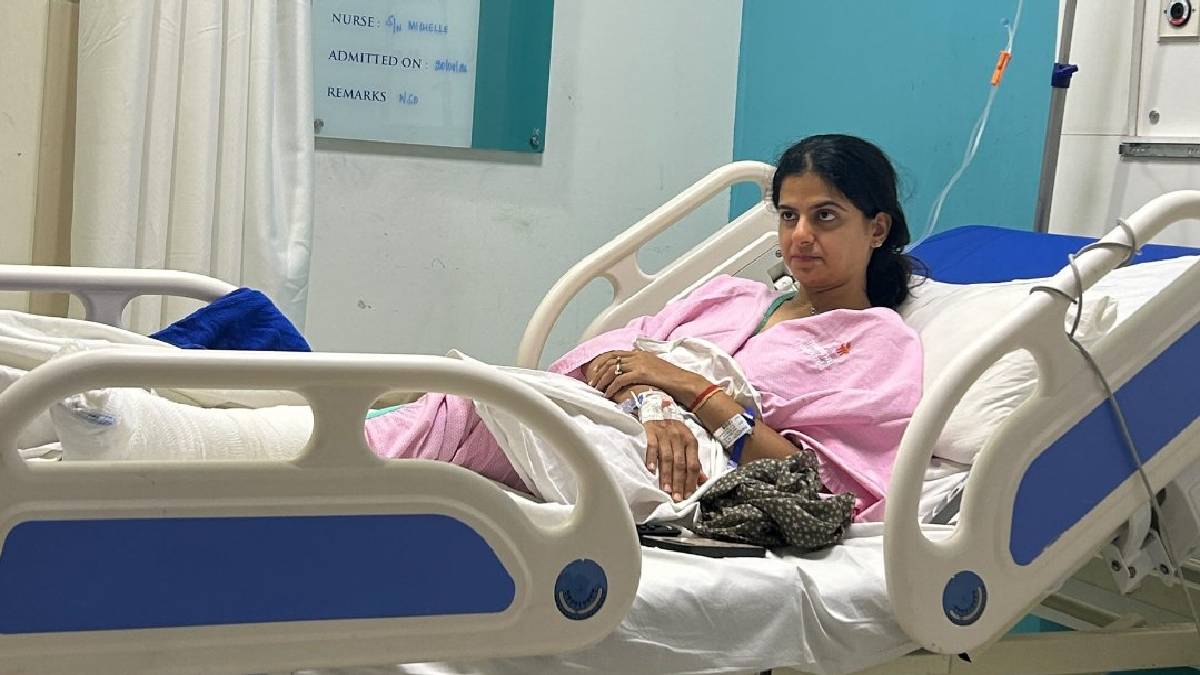
Antibiotics have changed the face of modern medicine and eased the burden of once-deadly bacterial infections. But their long-term effectiveness is in danger due to a rapidly emerging global threat: antimicrobial resistance (AMR). As bacteria evolve and change they create a defense against the drugs that are designed to kill them. The resilient strains, also known as “superbugs,” cause more hospital stays, raise healthcare costs and increase mortality.
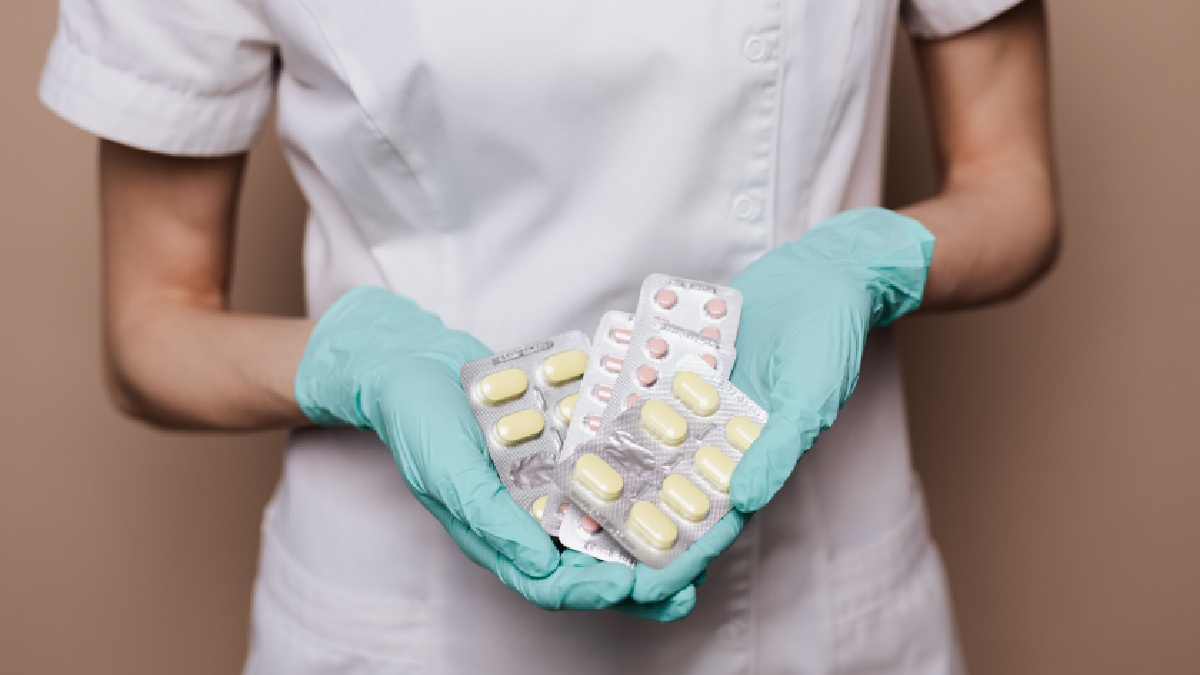
With this evolutionary arms race on the rise, scientists are experimenting with new strategies worldwide. Even while discovery of new drugs is still of primary interest, another strategy is to make existing medicines work again.
The Promise of Antibiotic Adjuvants. Instead of inventing new antibiotics from scratch, researchers are focusing on antibiotic adjuvants. These compounds don’t kill bacteria directly. They act as molecular assistants, destroying (or bypassing) the defense systems that bacteria have built up over generations.
Think of adjuvants as tools to get rid of obstacles standing between an antibiotic and an antibiotic’s path. Adjuvant-based drug therapy can neutralize bacterial enzymes that break down drugs, and cellular structures or complex resistance pathways can be altered by the adjuvants. That makes the bacteria susceptible to treatment without the need to create a new pharmaceutical compound for the bacteria themselves.
A Breakthrough Study: Reviving Vancomycin. A recent study in Nature Communications by researchers at Cold Spring Harbor Laboratory (CSHL) has brought the idea to the clinic. This particular study focused on vancomycin, a powerful antibiotic that has long been the last line of defense against serious infections. But now dangerous Enterococcus faecium infections are increasingly resistant to vancomycin, and it is tough to treat.
On the other hand, an experimental antibiotic adjuvant called PGHI-4 could be used to restore the effectiveness of vancomycin. Rather than attacking the pathogen directly, PGHI-4 blocks a certain bacterial process in order to remodel the cell wall. By weakening this microbial barrier, the adjuvant allows vancomycin to penetrate and suppress the bacterial growth again.
In animal model and laboratory experiments, vancomycin with PGHI-4 successfully cured infections from vancomycin-resistant Enterococcus faecium (VRE).
Why This strategy is important for Global Healthcare. Developing a brand new antibiotic is notoriously lengthy, complex and expensive. And pathogens develop resistance to new medication even after regulatory approval.
Looking forward: A wider chemical arsenal. Scientists believe that the principles behind this discovery go far beyond vancomycin. Since many antibiotic classes fail due to parallel protective mechanisms, mapping the specific resistance pathways will allow scientists to design tailored adjuvants for other failing drugs.
Although these results are very encouraging, experts say that the research is still in an experimental phase. Before these combinations can be put into routine medical care, clinical trials and safety evaluations have to take place.
Public health officials stress that scientific breakthroughs are also linked with responsible habits. This will continue to require strict compliance with prescribed guidelines (such as taking antibiotics only when necessary and completing full courses) to stop the spread of superbugs.