
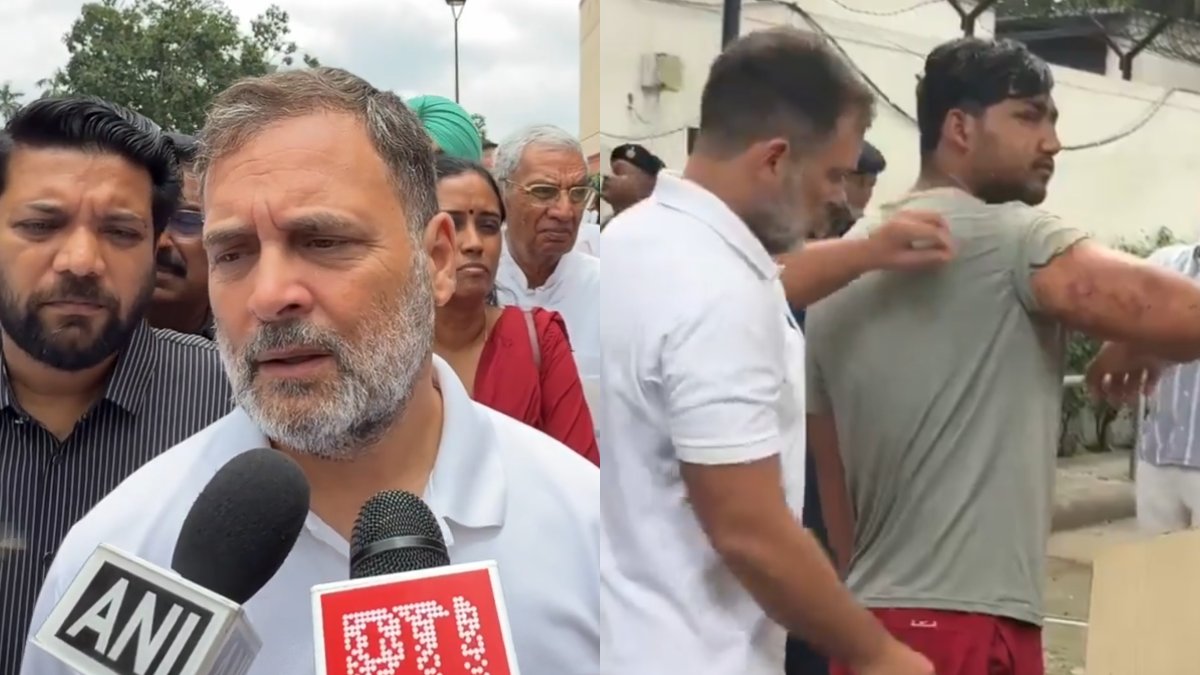
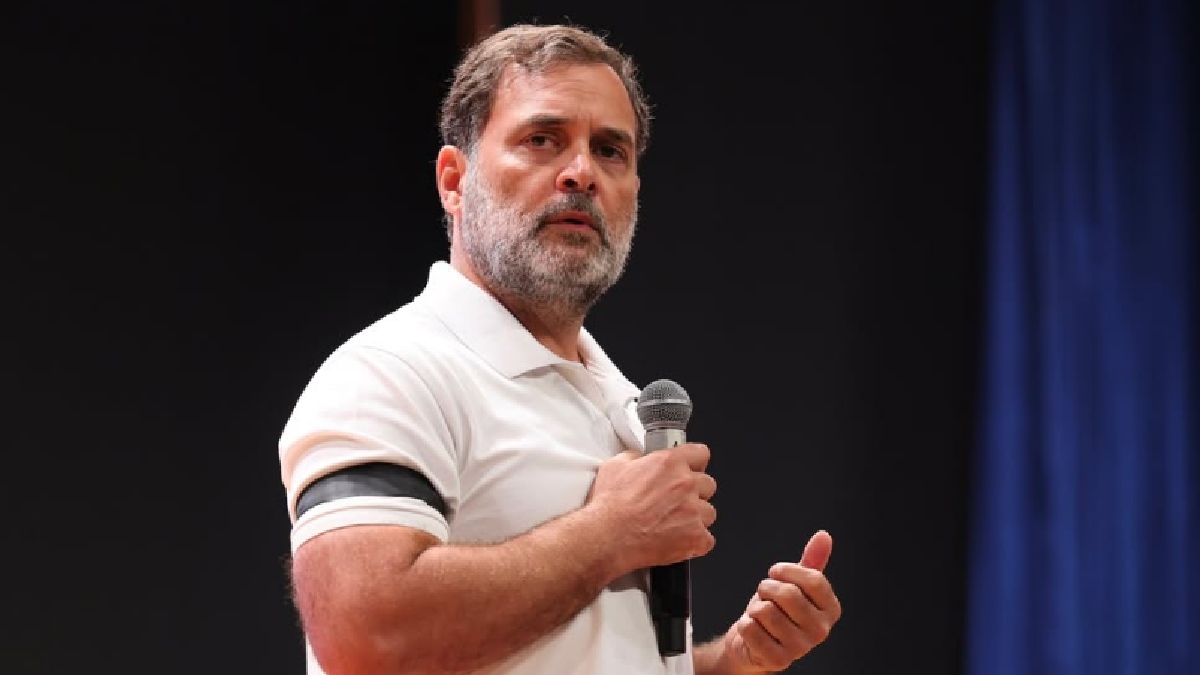
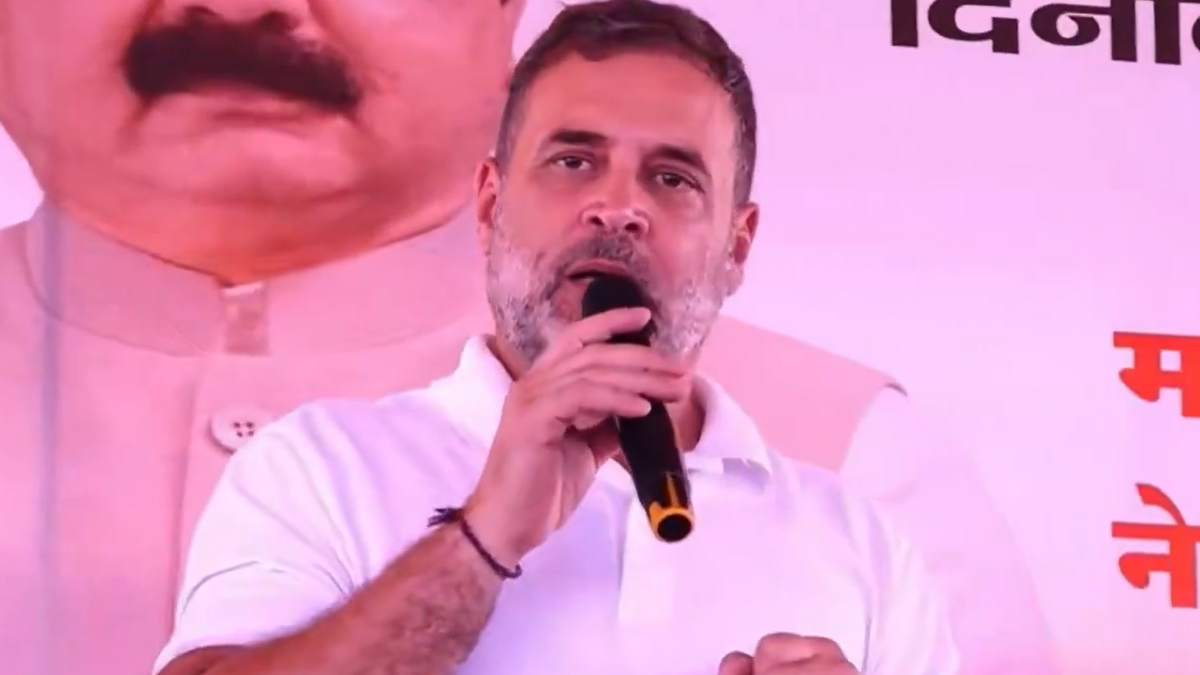
Rahul Gandhi’s latest appeal has brought the mobilisation of INDIA bloc to national attention again. In his video message he said “Chalo Dilli’ Ramlila March” is a collective effort to defend democratic institutions, uphold constitutional values and raise questions about alleged irregularities in voter lists.
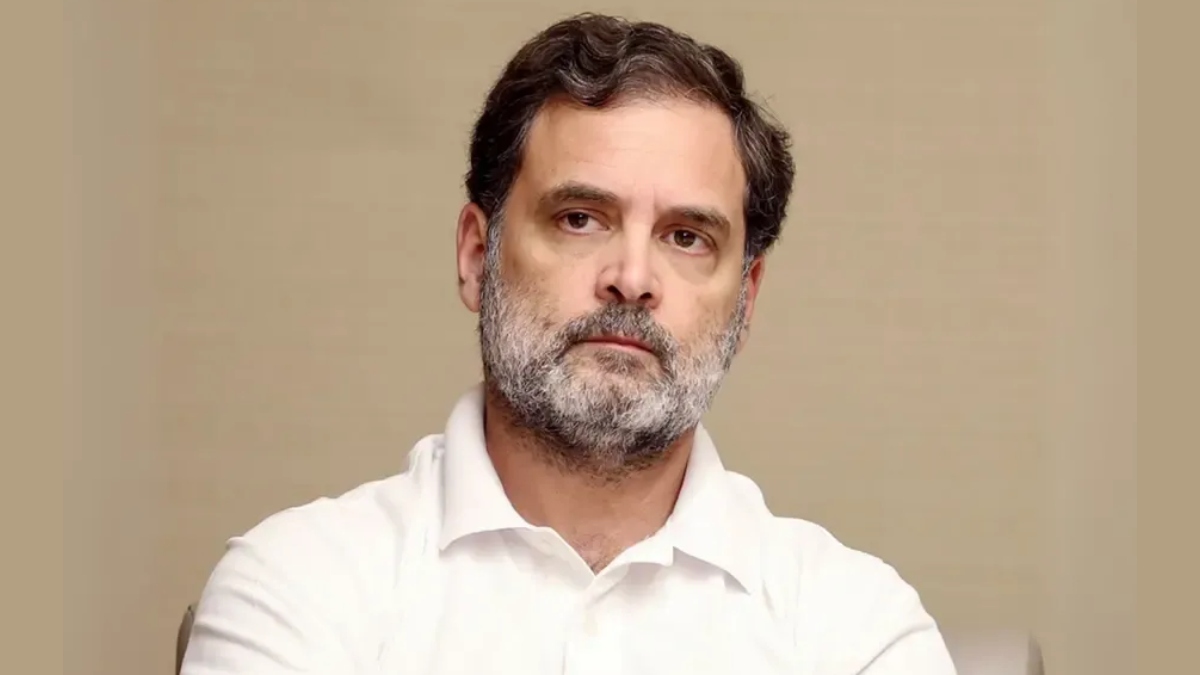
It was not to represent a single political party but for all the citizens to be there to say democracy and constitutional rights must be protected, Gandhi said. He said Gandhi’s message also wanted people who feel dissatisfied with the government’s performance and are worried about the electoral process to come in on November 1.
One of Gandhi’s most widely spoken phrases was “Don’t worry about the police, don’t worry about lathis.” He said prospective participants should not fear the possibility of police action so much that they would not join the march.
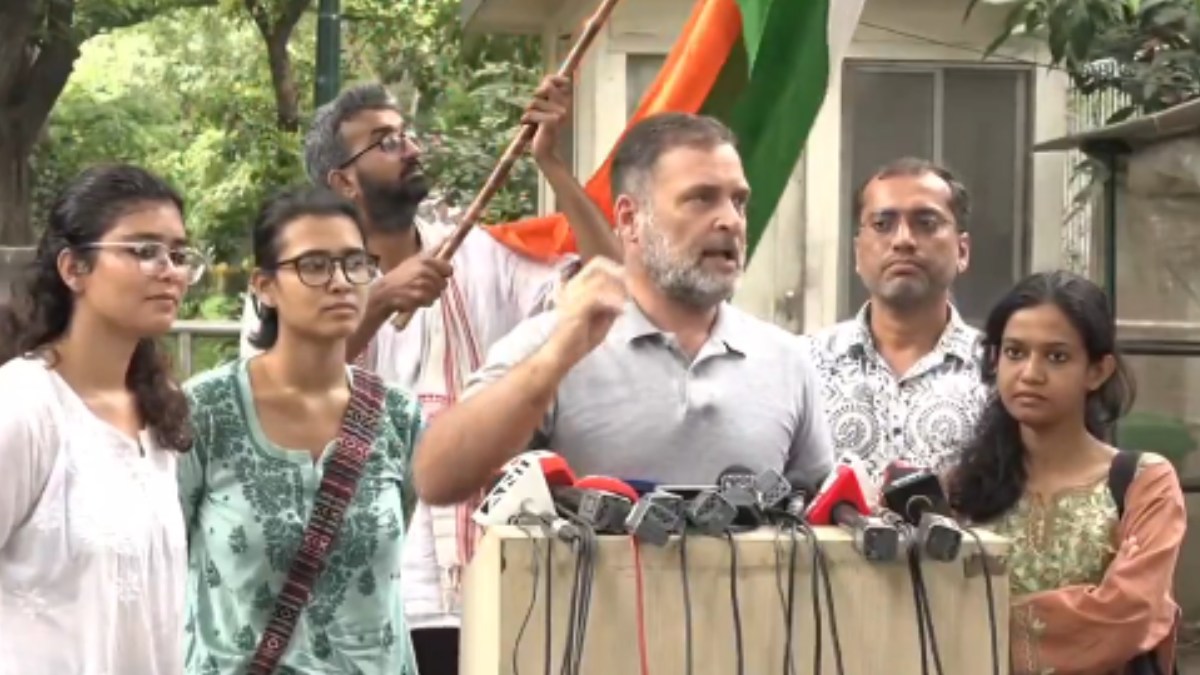
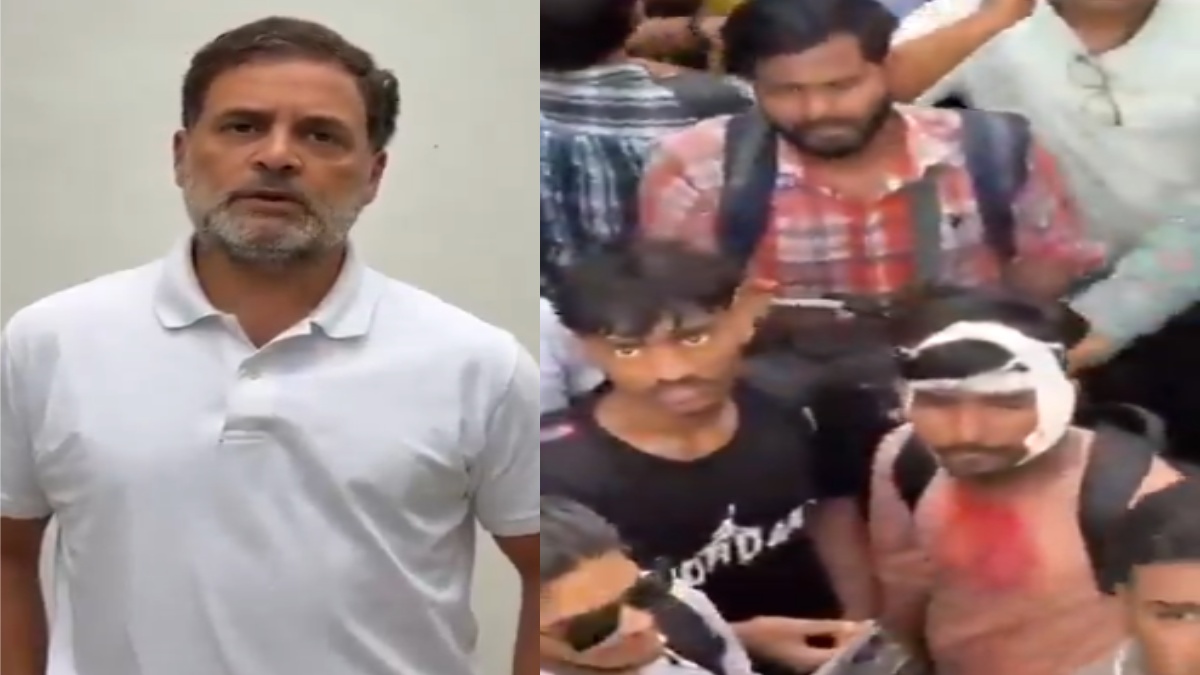
Gandhi also said that the protest would be an opportunity for people to come together in defence of the Constitution and the country. He tried to encourage participation and make it clear that the demonstration was not only a Congress work-week rally or a gathering of a particular political party.
The actual arrangements for the event and any public order restrictions will be determined by the authorities.
Gandhi specifically appealed to student groups and convinced them to go out and join in: young people who feel their freedom of expression, ideas or thinking is under attack should join the demonstration.
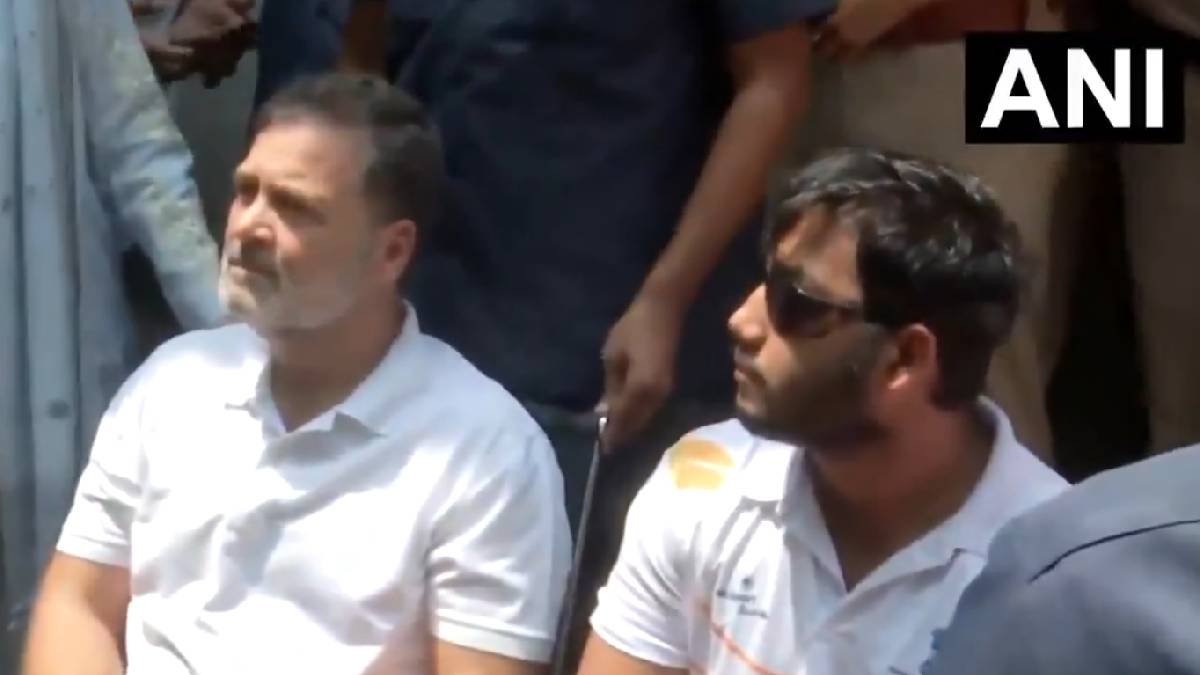
The appeal puts students among the largest groups that the Opposition is targeting ahead of the rally. Student participation has long been an important component of political protests in India, and campuses are known to be platforms where people debate democracy, governance, public policy and civil liberties. How much student organisations will go out and be involved as the event comes closer will be a question.
The planned march is linked to Opposition allegations of electoral irregularities that include the Special Intensive Revision (SIR) of electoral rolls. The Opposition has also raised concerns about voter lists being excluded and the Election Commission has not been held accountable for the removal of names.
These allegations have been a focal point of the INDIA bloc’s political campaign. The claims are political assertions and do not necessarily have to be taken as evidence or official decision-making. The Election Commission’s actions and the Opposition’s objections are part of a wider political debate about electoral transparency and voter rights.
The programme on November 1 is expected to conclude with a rally at Ramlila Maidan, a popular place to meet politicians in Delhi. The INDIA bloc is hoping to use this to up the pressure against alleged “vote chori” and to make the electoral roll revision process more credible.
Congress leaders are rallying party members and supporters, while the broader opposition alliance is trying to frame the issue as one of democratic participation beyond party boundaries. We have also received reports that the party expects a big turnout, but they can’t be assured that the crowds will actually come.
Another development related to the Opposition’s campaign is the planned symbolic public proceeding for Chief Election Commissioner Gyanesh Kumar. According to reports, INDIA bloc leaders were to hold a mock-parliament-style public meeting before the November 1 rally, to protest about the handling of electoral issues.
A political demonstration would not be a constitutional removal process in itself. This distinction is important as the Opposition’s political message and parliamentary action and any legally recognised proceedings go by different rules and procedures.
The upcoming demonstration could prove to be an important test of the Opposition’s ability to unite supporters of parties and regions around a common issue. For Rahul Gandhi and the Congress, the march is an opportunity to keep public attention on electoral transparency and constitutional protections.
For the INDIA bloc, it is also a platform to show unity on an issue that has been central to its criticism of the government and the Election Commission.
Not only is the turnout likely to be significant, but how the participating parties communicate their demands and respond to questions about the evidence behind their allegations will depend on the quality of the people who will attend and how well each party will be able to present an argument to us.
As November 1 approaches, we are heading into this with participation, security arrangements and the messages that we delivered at Ramlila Maidan.
Gandhi’s call for people of all political groups to join in the march is a good attempt to push the protest beyond party networks. His talk of police action has been a strong one but the specific nature and reaction from the authorities will be crucial for the day’s outcome.
At last the march is going to be a crucial point in the political tension over electoral rolls, voter fraud and the security of democratic institutions in India.



Comments