Strong and Total Body Performance is of all strength training exercises, few movements are as respected as the deadlift. Often referred to as the “king of compound lifts”, the deadlift works on almost every muscle group in the body and results in proper functional strength, power, and athletic performance.Deadlifts can be a great workout plan to be done for a great fitness and improve your bodybuilding, bodybuilder’s workout routine, but deadlifts and their usage in a workout plan helps build muscle, increase strength, improve posture and improve movement, and increase daily movement as the training is good for building muscle, and will be a great workout plan for you.
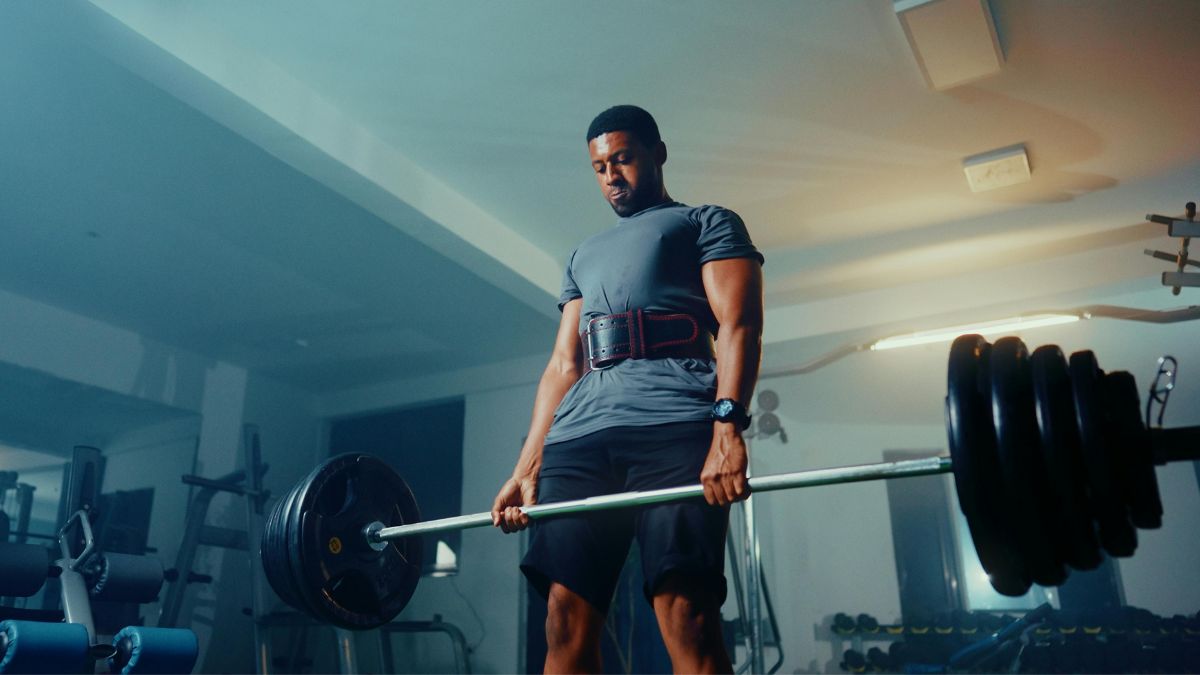
What is a deadlift?
A deadlift is a compound resistance exercise that involves lifting a weighted barbell or some other arm-weight from the floor until the body reaches a fully upright position before lowering it under control.
Unlike isolation exercises that only target a single muscle, deadlifts require multiple muscle groups to work together and are one of the most efficient full-body exercises.
The muscles involved are:
- Glutes. Hamstrings. Quadriceps. Lower back. Upper back. Trapezius. Core muscles. Forearms and grip muscles.
- Because so many muscles are recruited, deadlifts give a very effective strength training stimulus.
- Benefits of Deadlift Training Builds Total-Body Strength
- Deadlifts develop strength throughout the entire posterior chain (the muscles running along the back of the body) as well as the legs, hips, and core.
- There is a good feeling to be able to lift heavier things, climb steps, and have good posture.
Supports Muscle Growth
Deadlifts put a heavy load on many large muscle groups and are a great exercise to stimulate muscle development when combined with proper nutrition and recovery.Promotes a Healthy Hormonal Response.Like other challenging compound exercises, deadlifts can temporarily increase anabolic hormones like testosterone and growth hormone immediately after training. Those normal short-term responses are part of the body’s adaptation to resistance exercise and can help build strength and muscle development over the long term if the training is constant.
Increases Energy ExpenditureSince deadlifts involve large muscle groups working together, they require considerable energy during training.Regular resistance training is beneficial for an overall calorie deficit and lean muscle mass is preserved, as well as for a healthy metabolism in a balanced fitness plan.Improves Functional FitnessDeadlifts look like real-life lifting movements.Learning proper lifting mechanics may decrease the risk of injury during daily exercise with the proper movement patterns and strengthening of the muscles that keep the spine and hips in place.
Strengthens the Core
Every repetition requires the abdominal muscles, obliques, and lower back to stabilize the spine.This also helps in trunk stability, balance, and overall body control.Enhances Athletic Performance. Many athletes incorporate deadlifts in their training because the lower body and posterior chain strength can contribute to:Greater power Faster acceleration Improved jumping ability Better balance Enhanced overall athletic performance.Supports Bone Health.Resistance exercises such as deadlifts can provide healthy stress to bones, which can help maintain or improve bone density over time.
Does Deadlifts improve health?
Regular strength training is linked with a number of health benefits, e.g.Improved cardiovascular fitness Better blood sugar regulation Increased muscle mass Enhanced posture Improved mobility Greater independence with ageBut deadlifts are not a cure for illness and are an important part of a complete exercise program for long-term health.The Importance of Proper TechniqueBecause of the heavy load of deadlifts, proper form is required.
Key technique reminders include:
Keep the spine in a neutral position. Brace the core before lifting. Drive through the heels. Keep the bar close to the body. Lift with the hips and legs rather than pulling with the back. Lower the weight under control.The movement can be started by beginners to learn light weights under the guidance of a fitness professional whenever possible.Recovery MattersDeadlifts place significant demands on the nervous system and muscles.To maximize performance and avoid overtraining, it is important to recover enough between heavy training sessions.
Who Can Benefit from Deadlifts?
Deadlifts can help a wide variety of people, including:Recreational lifters Athletes Bodybuilders Older adults doing supervised resistance training People seeking to get a better functional strengthThe exercise can also be modified using kettlebells, dumbbells, trap bars, or Romanian deadlift variations to match different experience levels and fitness goals.
Deadlifts are still the most effective exercises to develop total body strength, muscle mass, posture, and functional fitness. By engaging multiple muscle groups in one movement, they provide effective training and are useful to be fit as part of a strong workout program.While heavy lifting should always be done with good technique and a proper recovery plan, consistent deadlift training can help build a stronger, more resilient body. Whether you want performance, strength, or overall fitness, the deadlift should be an investment in long-term physical health and capability.