Ads in children’s lives are sugary drinks, fast food, chocolate, chips and other highly processed foods.
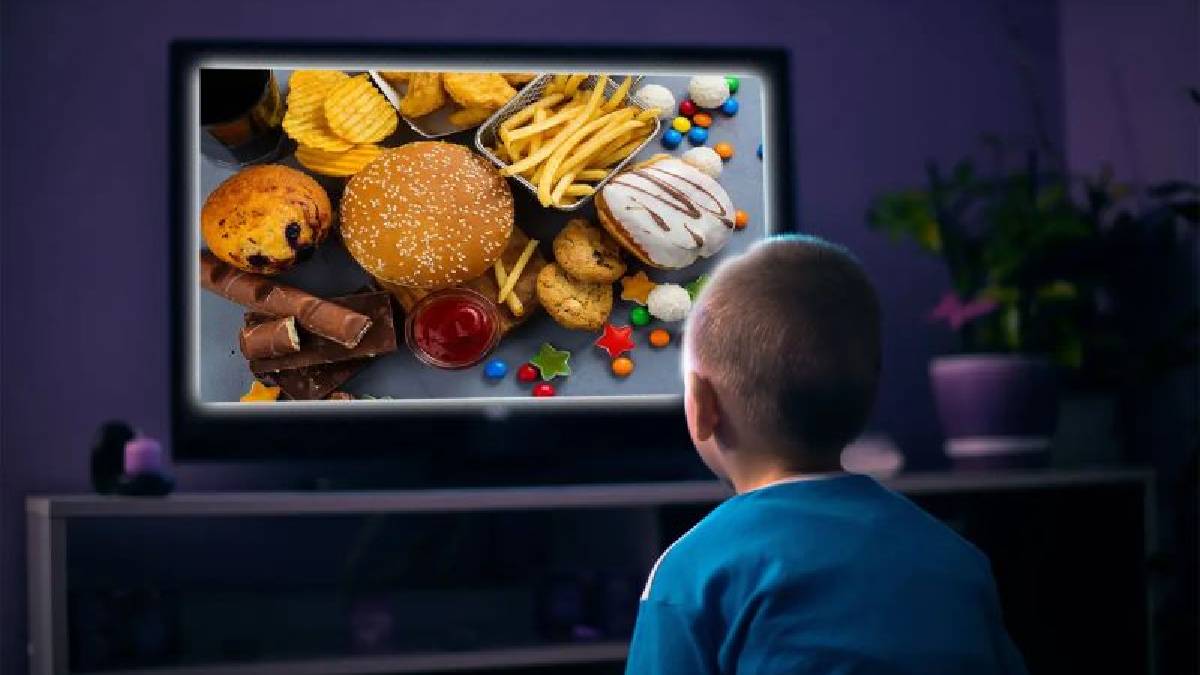
They’re on TV, on social media, games, streaming services, and even in educational apps. Health experts and medical professionals are now worried about the impacts of such constant exposure.
Junk food advertising for children needs to be regulated more closely in order to prevent childhood obesity and diet-related diseases.
Young children are especially susceptible to advertising because they often cannot discern between entertainment and marketing.
Bright colors, animated characters, celebrities and popular influencers make unhealthy foods look fun and desirable. So, a child is more likely to ask their parents for these products and develop unhealthy eating habits that may continue into adulthood.
Studies have consistently shown that frequent exposure to junk food advertising leads to children’s tendency for foods with high sugar, salt and unhealthy fats.
That affects what they eat at home and also has an effect on their diet. Over time, these foods increase the risk of obesity, type 2 diabetes, high blood pressure, dental problems and cardiovascular diseases.
Doctors say restricting junk food marketing isn’t about curbing consumer choice, but about creating a healthier environment for children.
Health professionals agree, as with tobacco advertising, governments need to protect children from aggressive marketing practices that encourage unhealthy lifestyles.
The rapid rise of digital platforms has made food advertising even more challenging to regulate.
Personalised ads, influencer marketing and sponsored content can be marketed to children without parents even knowing.
Unlike traditional TV commercials, digital advertising follows children through multiple devices and platforms, so exposure is nearly constant.
Some countries already do what they can to minimize harmful food ads in children's television programming, limit online advertising, prevent cartoon characters from being displayed on unhealthy food packaging and require nutritional information that is clearly put across in the product packaging.
Public health experts say these things can significantly reduce unhealthy food marketing promotion.
Parents are also critical in promoting healthier eating habits. Encouraging home-cooked meals, reducing screen time, teaching kids about nutrition and involving them in food preparation can substantially reduce advertising’s impact.
Schools can do the same by providing nutrition education and healthier food options.
Food manufacturers must reformulate products to be less sugar, salt, and unhealthy fats and more healthy alternatives. Responsible marketing will encourage healthier consumers to buy products without losing business.
At the end of the day, doctors believe that our children’s health is really in the hands of society, healthcare professionals, educators, parents and the food industry.
More regulation of junk food advertising is a necessary first step to reduce childhood obesity and create healthier future generations. If we can limit children’s exposure to the persuasive marketing of unhealthy foods, we can better promote healthier eating habits in the long-run to promote health.