As heatwaves intensify across India, most people worry about dehydration, heatstroke, and fatigue. But there’s another silent issue that often goes unnoticed dry, irritated eyes. Doctors are now reporting a significant rise in Dry Eye Syndrome during extreme summer conditions.
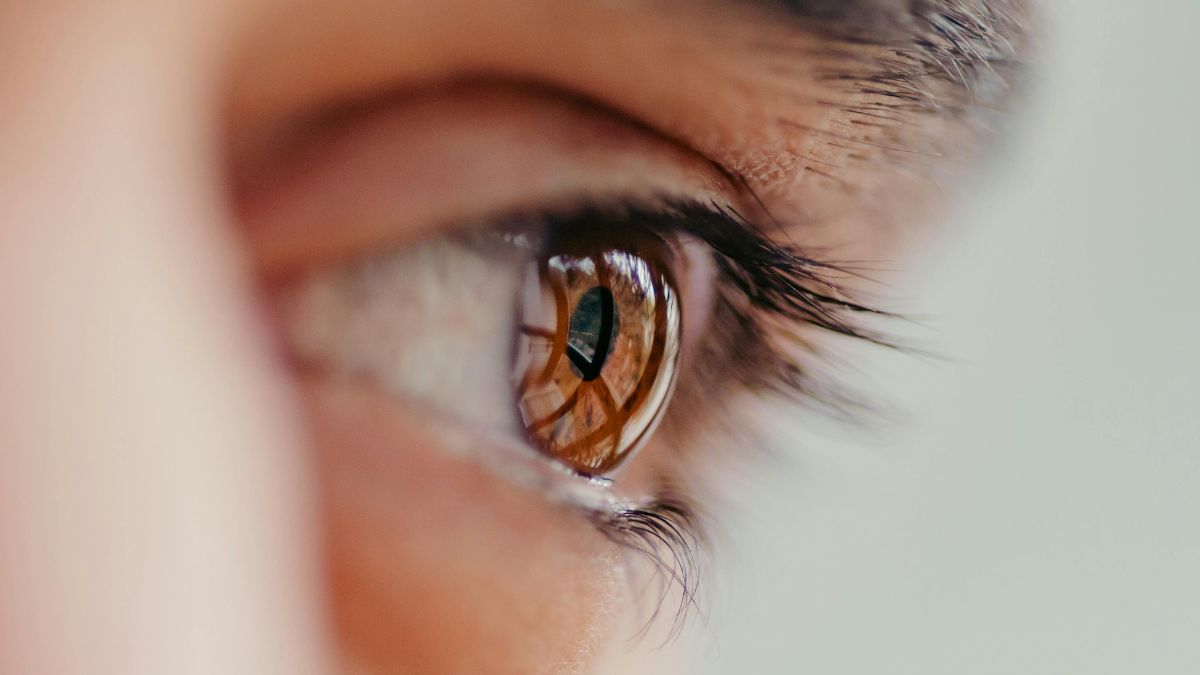
According to Dr Mandeep Singh Basu, hot weather can take a serious toll on eye health. “Heat, dehydration, air conditioning, and dust exposure can lead to irritation, redness, and a constant feeling of dryness,” he explains.
Why Heatwaves Affect Your Eyes
High temperatures force your body to lose more fluids through sweating, which directly impacts tear production. Tears are essential for keeping your eyes lubricated, and when their production drops, dryness, redness, and a gritty sensation can set in.
The problem worsens when heat combines with pollution, humidity, and hot winds common during Indian summers. Air conditioning, while offering relief from the heat, further dries out indoor air, speeding up tear evaporation.
Another overlooked factor is prolonged screen time. Whether it’s working on a laptop or scrolling on your phone, digital exposure reduces your blink rate, making it harder for your eyes to stay moist.
Common Symptoms You Shouldn’t Ignore
Doctors warn that ignoring early signs can worsen the condition over time. Key symptoms include:
- Burning or stinging sensation
- Redness and irritation
- Blurred vision
- Sensitivity to light
- Feeling like something is stuck in the eye
If left unmanaged, these symptoms can interfere with daily life and even affect long-term eye health.
Hydration: Your First Line of Defence
One of the simplest and most effective solutions is staying well-hydrated. Drinking enough water helps maintain tear production and keeps your eyes naturally lubricated.
Include water-rich foods in your diet such as:
- Cucumber
- Watermelon
- Citrus fruits
You can also opt for coconut water or buttermilk to replenish lost electrolytes. Experts recommend limiting caffeine, alcohol, and sugary drinks, as they can contribute to dehydration.
Protect Your Eyes Outdoors
Stepping out without protection exposes your eyes to UV rays, dust, and hot winds. Wearing sunglasses with UV protection can shield your eyes from damage and reduce dryness. In dusty or windy environments, protective eyewear becomes even more important.
Follow the 20-20-20 Rule
In today’s digital age, reducing screen time completely isn’t realistic but managing it is key. The 20-20-20 Rule is a simple yet effective habit: every 20 minutes, look at something 20 feet away for 20 seconds. This helps relax eye muscles and maintain moisture.
Eat Smart for Eye Health
Your diet plays a crucial role in maintaining healthy eyes. Include:
- Omega-3-rich foods like walnuts and flaxseeds
- Vitamin A and C sources such as carrots, green leafy vegetables, and citrus fruits
These nutrients help reduce inflammation and improve tear quality.
Don’t Compromise on Sleep
Lack of sleep can worsen dryness and eye fatigue. A proper sleep routine allows your eyes to recover and maintain a healthy tear balance.