There is a silent epidemic looming over India that endangers the country’s economic future. Obesity is on the rise from the Economic Survey 2025-26 as a major public health challenge, largely attributed to a preference for unhealthy eating patterns, sedentary lifestyle and an increase in consumption of Ultra-Processed Foods (UPFs).
The Alarming Statistics
The survey references the National Family Health Survey (NFHS) which shows a concerning pattern among all demographics:
- Adults: About 24% of Indian women, 23% of Indian men are now considered overweight or obese.
- Children: The prevalence of overweight children under five rose from 2.1% (2015-16) to 3.4% (2019-21).
- Future projection: In 2020, more than 3.3 crore children were obese. This number is forecast to soar to 8.3 crore by 2035 if diets continue as now.
The UPF Epidemic: A surge in 40 folds
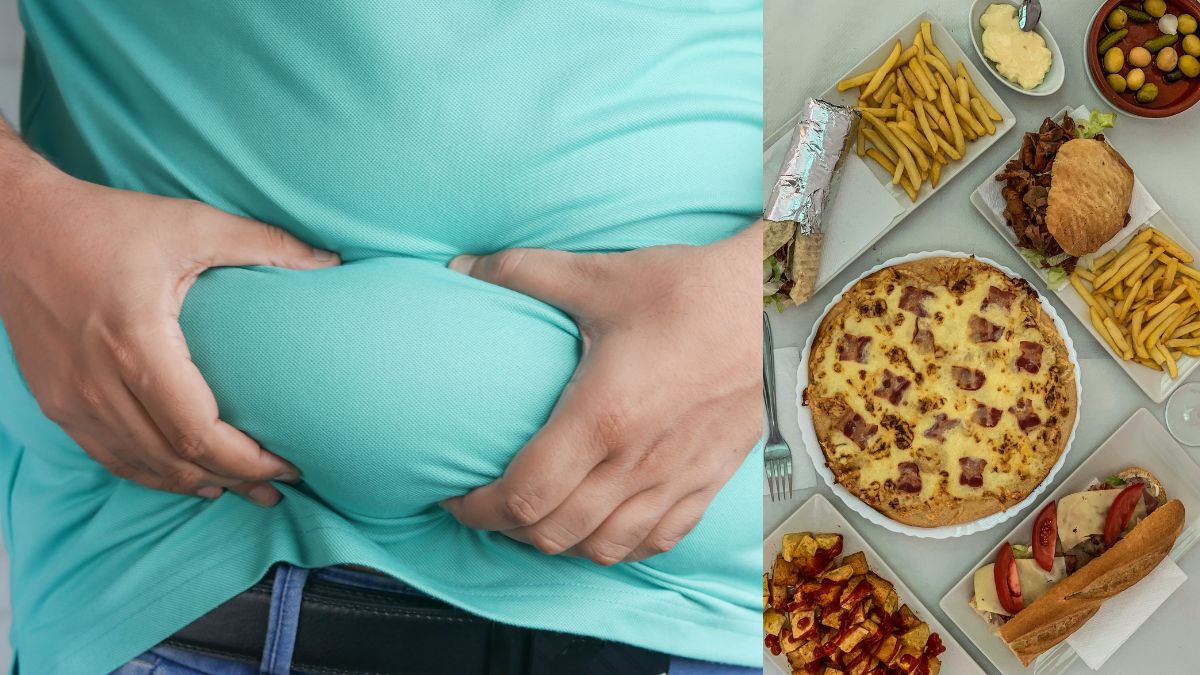
A lot of blame has been laid at the feet of the fast-paced enlargement of Ultra-Processed Food market. India is one of the fastest-growing markets for these products, which are high in salt, sugar and unhealthy fats.
- Market Growth: Retail sales of UPFs went from $0.9 billion in 2006 to almost $38 billion in 2019, for a 40-fold spike.
- Impact: These foods are replacing traditional Indian foods which are nutrient-dense, directly causing a doubling of obesity rates in men and women over the same period.
Economic and Social impacts
Such a health crisis is not just a medical issue. It is now regarded as one with enormous economic implications too.
Lost productivity: Obesity in fact can increase the risk of chronic non-communicable diseases such as diabetes, heart disease and high blood pressure than healthy individuals, thus lowering the productive capability of an engaged human resource corps.
Fiscal pressures: Healthcare spending that's up to keep pace with the demands of disease caused by obesity, in both households' savings and the national exchequer, is starting to strain the finances.
Digital addiction in sedentary lifestyles this also showed a great deal of correlation between sedentary lifestyles and compulsive digital use and digital addiction, aggravating physical health decline.
The “Reform Express” for Health
The Survey says we need a comprehensive policy and policy response to address this:
- Marketing Limitations: Proposing that there should be no UPF ads on media outlets that play between 6 AM till 11 PM.
- Clearer Labeling: Informing consumers of what they must pay for and in consumerism, the introduction of "front-of-pack" warning labels.
- Bringing Tradition Home: Re-emphasising local foods, and incorporating AYUSH practices like Yoga into the everyday.
India’s Economic Survey has brought clarity to its quest for ‘Viksit Bharat’ by 2047: a healthy population is the cornerstone of a resilient and productive future.