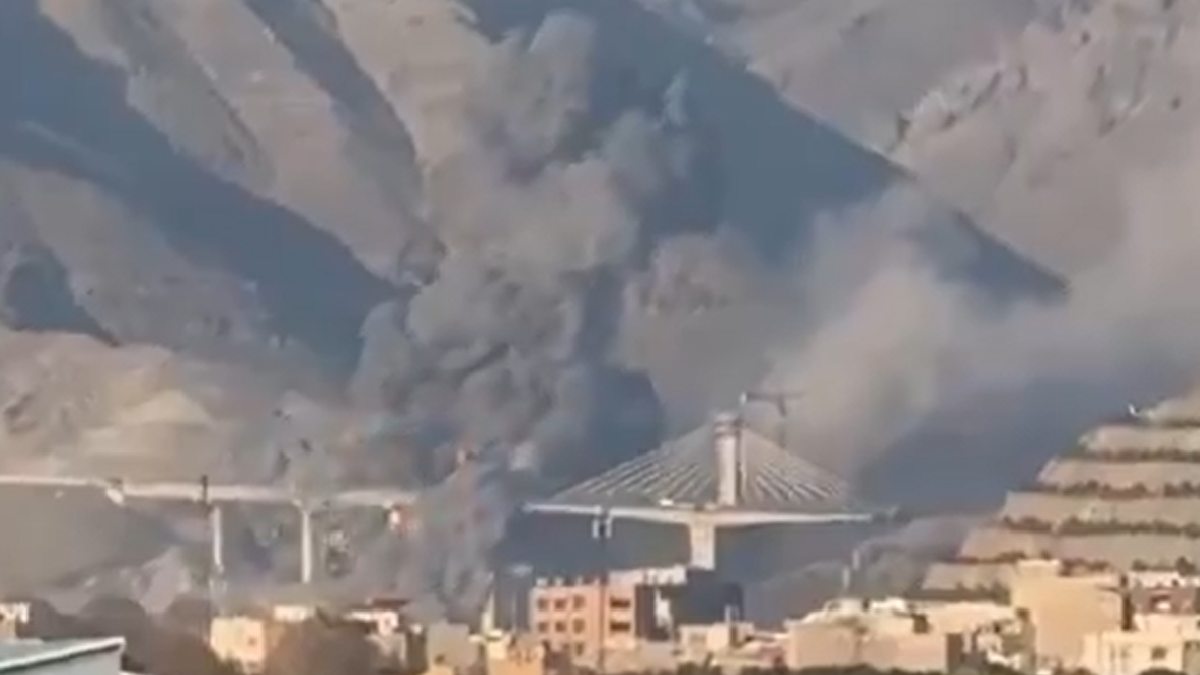
The Middle East is now in a dangerous new phase of 'tit-for-tat' infrastructure war. Less than 24 hours after U.S. air strikes destroyed the B1 (Azimiyeh) Bridge, one of the world’s largest and most prestigious highways, Tehran has come up with a list of strategic targets including those in Gulf countries and Jordan.
The “Bridge List”: Iran’s Calculated Threat
Iran’s semi-official Fars News Agency, which has close links to the Islamic Revolutionary Guard Corps (IRGC), released a list of eight bridges that could be targeted in the region. The list includes some of the world’s most significant engineering marvels and vital economic arteries:
| Bridge Name | Location | Length |
| Sheikh Jaber Al-Ahmad Al-Sabah Bridge | Kuwait | 36 km |
| King Fahd Causeway | Saudi Arabia - Bahrain | 25 km |
| Sheikh Khalifa Bridge | Abu Dhabi, UAE | 1,400 m |
| Sheikh Zayed Bridge | Abu Dhabi, UAE | 842 m |
| Jesser Abdoun Bridge | Amman, Jordan | 425 m |
| Al-Maqta Bridge | Abu Dhabi, UAE | 300 m |
| Damiya Adam Bridge | Jordan - West Bank | 120 m |
| Al-Nabi King Hussein Bridge | Jordan | 80 m |
Analysts say that Tehran is signaling it can paralyze regional transportation and logistics if the U.S. continues its campaign against Iranian domestic infrastructure.
Trump’s “Stone Age” ultimatum
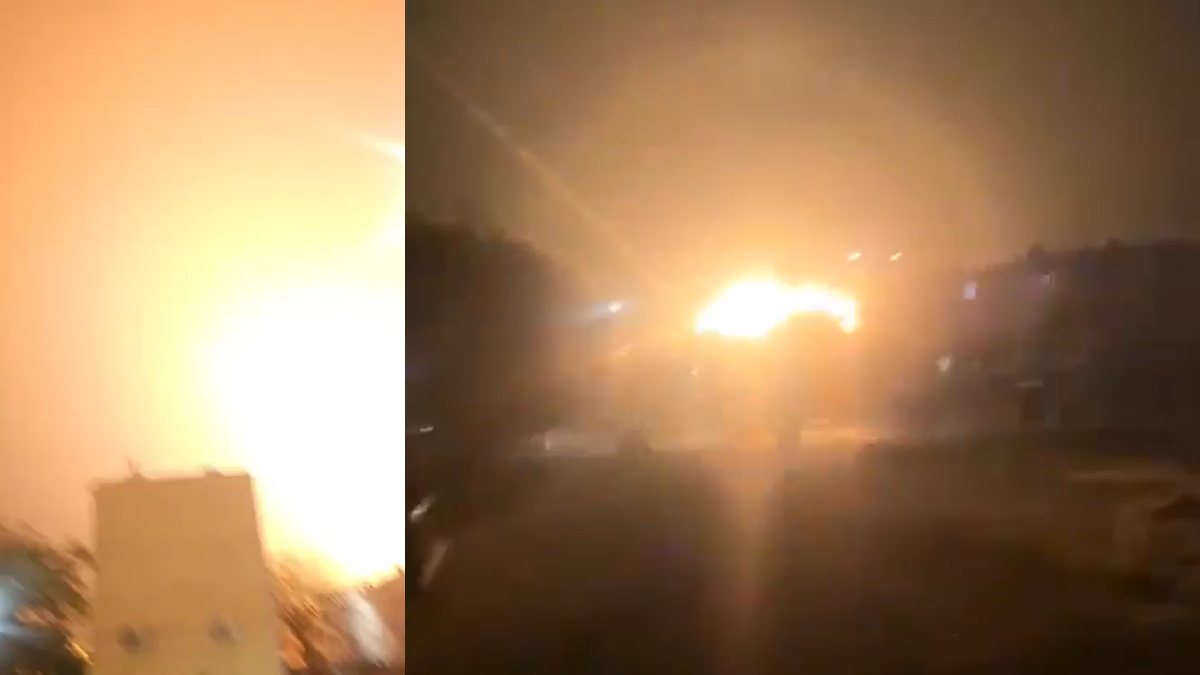
On April 2, Trump posted pictures of the B1 bridge in Karaj in flames. "New regime leadership knows what has to be done, and has to be done, FAST!" Trump wrote. The current “devastation” is a precursor to total infrastructure collapse unless the Iranian regime agrees to a new deal immediately.
The B1 bridge, which connected Tehran to Karaj, has generated at least two reported civilian casualties and created a major logistics bottleneck in northern Iran. The presence of bridges in Kuwait, Saudi Arabia, Bahrain, UAE and Jordan has put the regional defense forces on high alert.
Kuwait has already seen strikes hit at its Mina Al-Ahmadi refinery and fuel tanks at its international airport. With the U.S. targeting the Iranian power grid and Iran launching missiles at the Gulf’s most critical bridges, the region is on the brink of a war that could permanently remake the economic map of the Middle East.