
If You’re Not Failing, You’re Not Trying Hard Enough
In a growing world of innovation, disruption, change, and fast changing, growth is not always achieved in a comfort zone. The contrast between a “safe path” and “risk path” is a very natural problem, and a well-known one is about security versus ambition. For all that the safe path provides stability, order and predictability, it can restrict where the potential is and at risk. The risk path, however, is more uncertain, the path is hard and difficult and obstacles are always present; but when we think all is well, it is where we transform.
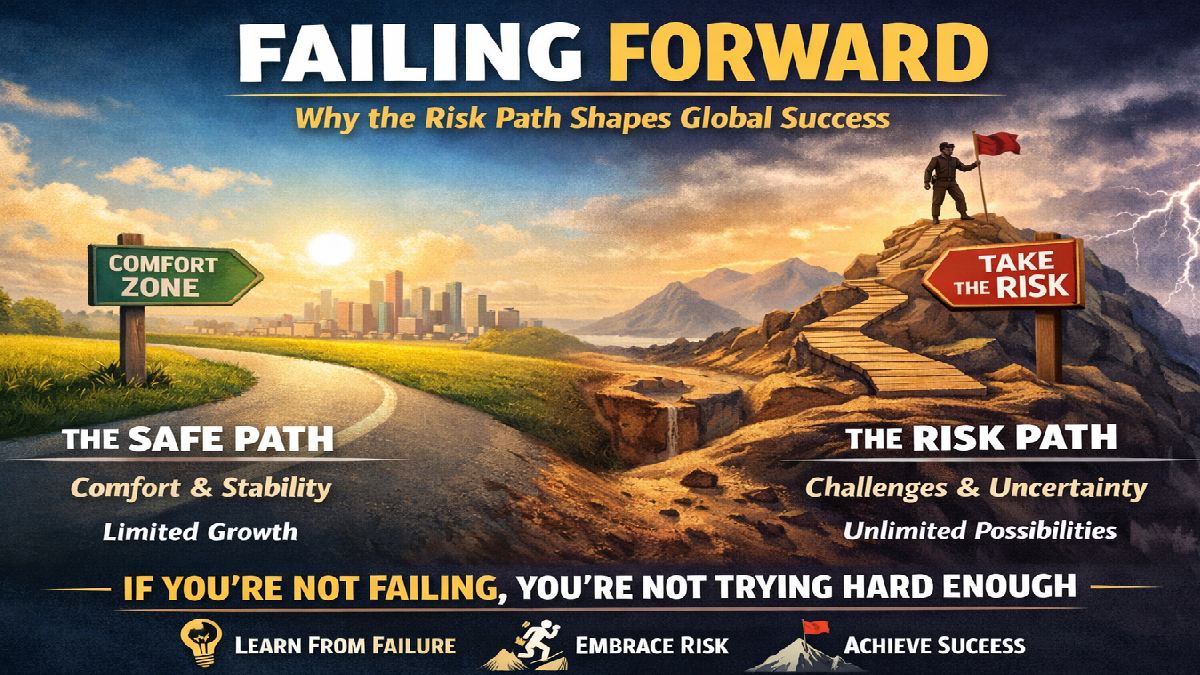
The Comfort Trap of the Safe Path
The choice of safety doesn’t have to be bad because it is predictable and reduces uncertainty. But staying in the comfort zone too long can become frozen. The most risk-averse companies all around can easily miss the opportunities to create and implement improvements. As one of motivational research’s findings suggests, it’s safe to play it safe too much and never really think of what might have happened.
The safe path has to be protected when it’s not to try to succeed to not have your growth destroyed.
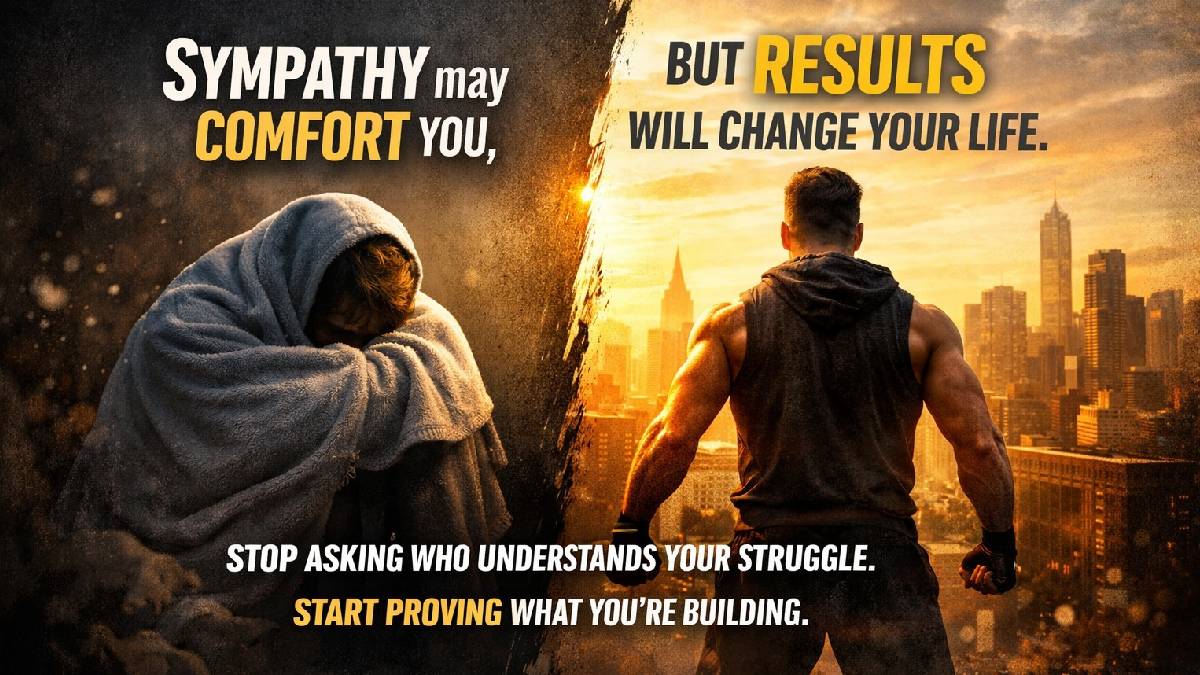
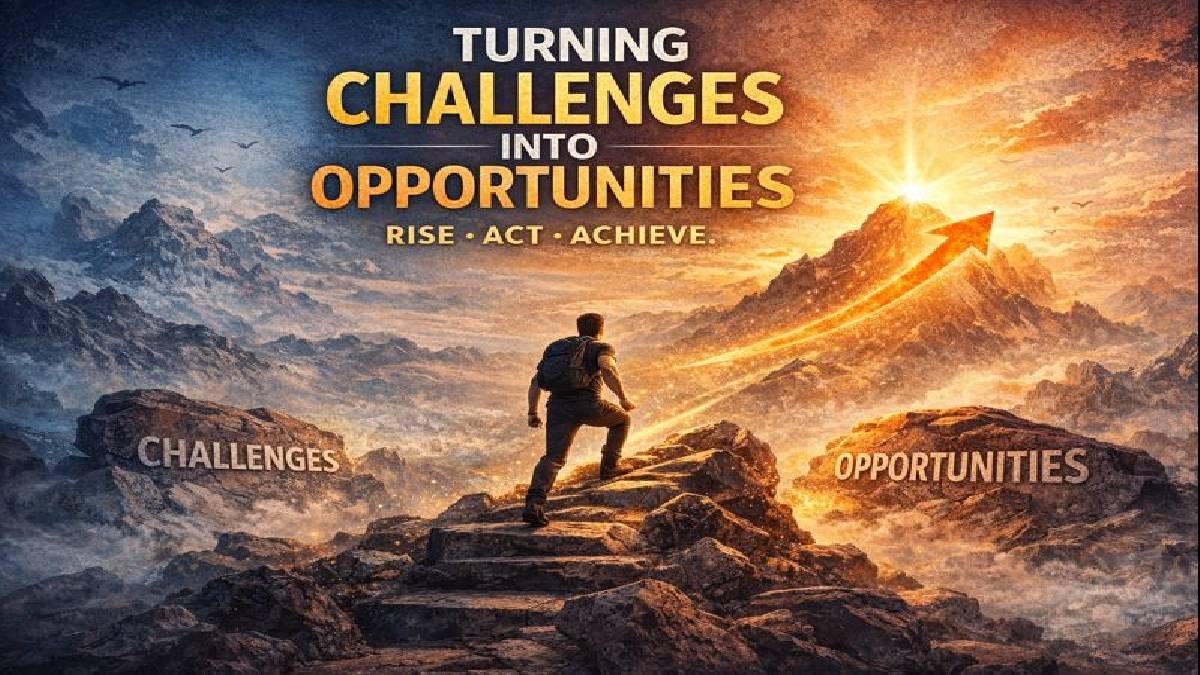
Why Risk is Needed for Progress
And what’s proven in the past is that genuine success means taking risks on your own is very much what you can do right now. Entrepreneurs, leaders and creators all risk a lot of time without knowing. Risk is what fuels creativity, pushes boundaries in the business world, and unlocks not only profitable opportunities but also places that the safest way would not create.
But an incredibly influential attitude in leadership circles is that the biggest risk is not taking any risk at all. In our current global economy of many markets moving, staying still can be more dangerous than changing your course when faced with uncertainty.
Failure: The Hidden Engine of Success
Failure is not all bad, but that’s not the opposite of success; it’s part of the whole. Every failure brings a lesson as well as understanding, and experience when working towards the goal—how future decisions will be made. Studies and thought leadership consistently stress that setbacks are stepping stones and not endgame points.


As one timeless idea suggests, it is actually worse never to have tried to succeed than to fail while trying.
Failure develops resilience, increases judgment ability, and sharpens your skill set for those greater challenges ahead you have to face.
Balancing Risk with Wisdom
Risk does not imply recklessness. The most successful people take calculated risks, based on a great deal of preparation, awareness, and strategy. And countries where business thrives are those which are bold enough and well-oriented enough to make a bold choice at that point in time.
When our own willingness to take risks is right and the risk of not receiving value on it is taken wisely, we not only grow but also feel good and move forward; uncertainty becomes opportunity.
Choosing Your Path
The image’s message is clear and universally relevant:
The safe path offers comfort but limited growth. The risk path has challenges but unlimited possibilities.
In a global scenario, progress will only come to those who can deal with uncertainty. Failure is not a signal not to go any further—failure is proof that you are moving forward.
Because the real failure at the end is not trying at all.










Comments
Leave a Comment