
Emotional maturity is not about never feeling upset, angry, stressed, or disappointed at every event, or feeling no letdown. It is not about never being upset and not feeling sad. But it is how you manage your reaction to these feelings. Emotionally mature people aren’t going for drama; they don’t chase drama, stifle their feelings or blame others for the way they are feeling. Far from chasing drama, they develop emotional regulation habits that protect their peace and their stability of mind, and make their relationships stronger and stronger. Here are six best practices that emotionally mature people do and share here and help you in applying them today.
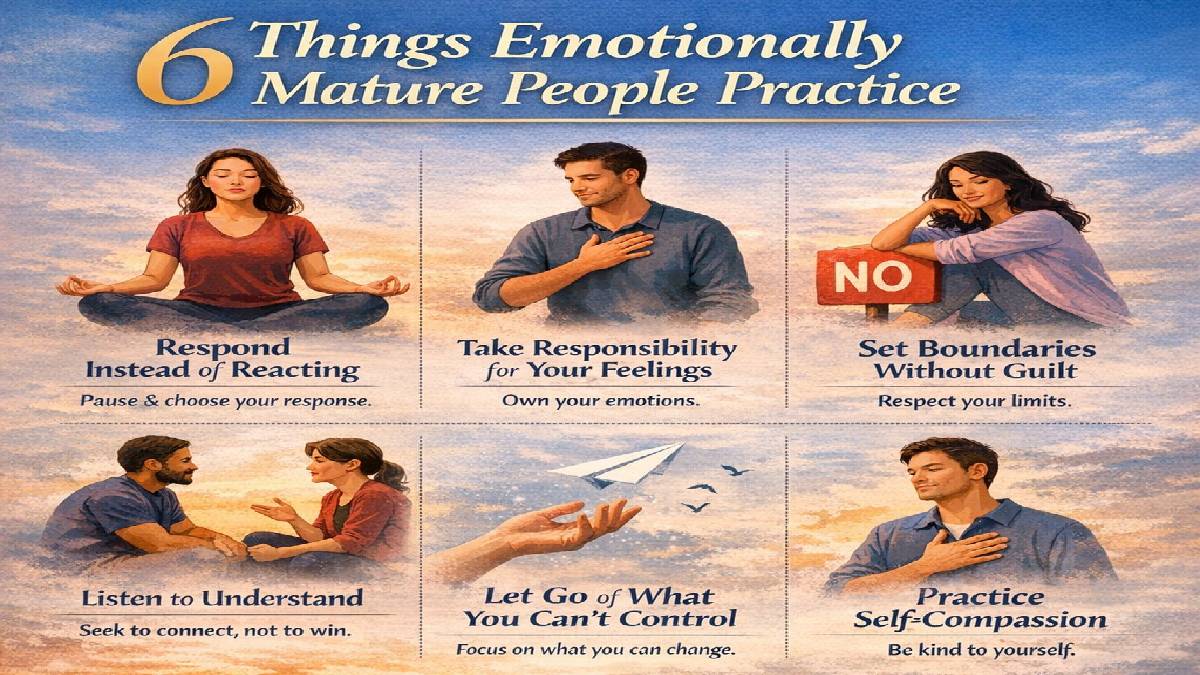
Their RESPONSE Rather than Reacting To Everything
Emotionally mature people create space between a situation and their response. Rather than blowing up, shutting down or saying things they later regret, they stop. They observe what they are feeling. They take a breath. They choose their words carefully. This small pause is powerful. Stopping unnecessary conflicts, protecting emotional health, enabling wisdom instead of impulse, on what is best. Responding is intentional. Reacting is automatic. Emotional maturity is in the pause.
They Own Their Feelings
Emotionally mature people don't assign responsibility for feeling the way they feel to others. They just accept them instead of blaming others for how they feel. They don’t say:

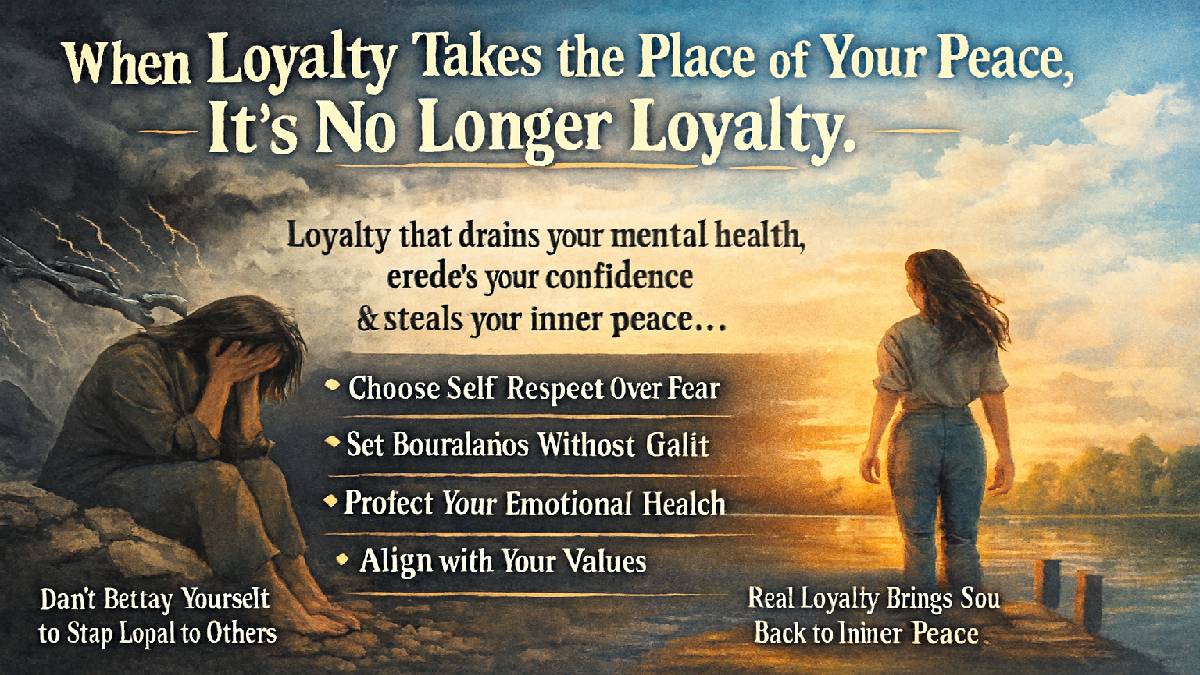
“You made me feel this way.”
They say: “I feel this way, and I have a responsibility to understand it.”
Embracing your feelings brings confidence, independence, and growth. You quit giving away your power and transition from victimism to leadership.
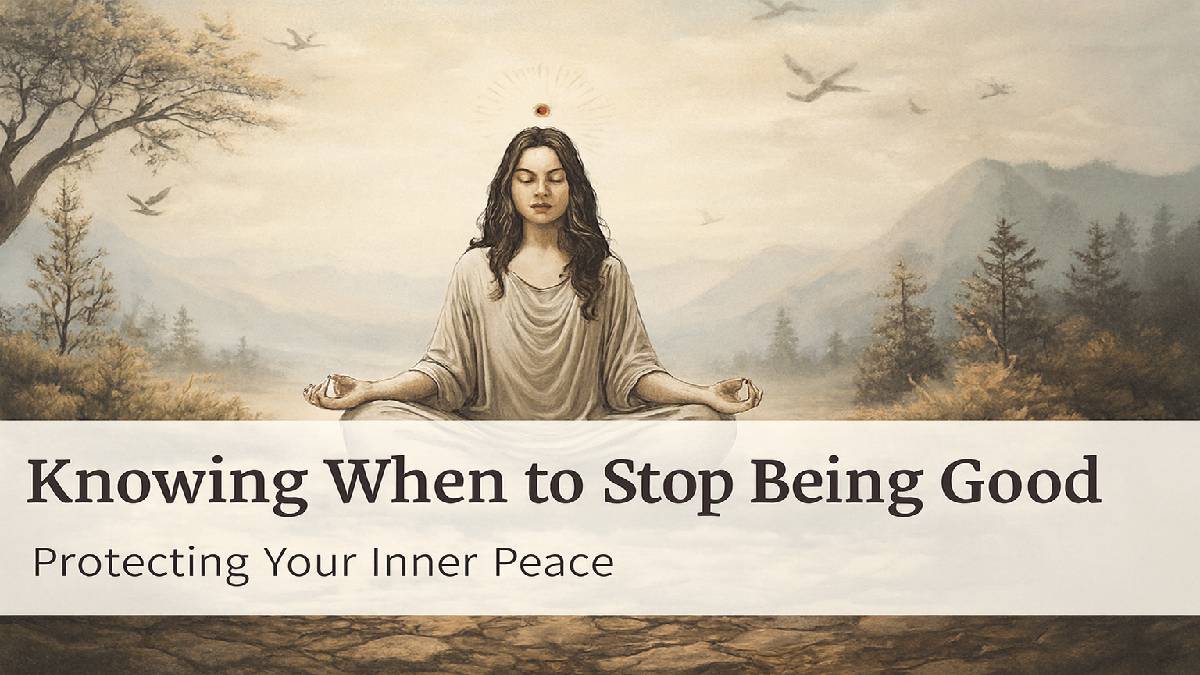
They Set Boundaries Without Guilt
Boundaries aren’t “barriers,” they’re “bridges to healthy relationships.” Individuals with higher levels of emotional maturity know:
- Saying no is self-respect.
- Protecting energy is wisdom.
- Choosing peace is strength.
They don’t over-explain or over-give or carry emotional burdens that aren’t theirs. Effective boundaries remove resentment; avoid burnout; and set an atmosphere of authentic connection. No drama. No cruelty. Just clarity.
They Listen Not to Win, but to Understand
Emotionally mature people listen to understand instead of respond, defend or dominate. They are curious, not combative. Present, not reactive. Open, not defensive. Genuine listening creates trust, mitigates conflict, and strengthens relationships. Sometimes, being peaceful is more powerful than being right.
They Let Go of What They Cannot Control
Emotionally mature people do not squander energy combating reality. They accept things they cannot change. They let go of what they can’t fix. They concentrate on what they can impact: attitude, behavior and decision making. This isn’t giving up. It’s choosing inner peace over constant resistance. Letting go makes room for a fresh mind, a clearer heart and more of the work of our own hearts. Acceptance is not a weakness. It's emotional mastery.
They Practice Self-Compassion
Emotionally mature individuals don’t bully themselves for showing emotions, making mistakes or gradually growing. They treat themselves as if they were to treat a loved one — patiently, honestly and kindly. Instead of harsh self-talk, they opt for understanding. Rather than shame, they opt for learning. They opt for progress, not perfection. Self-compassion establishes an emotional safety net inside you. It is not until you are safe within that you stop seeking approval or control outside of yourself. A composed internal voice leads to a calm outer life.
Final Thoughts
Emotional maturity isn’t something you either have or don’t. It’s a choice you make every day. Each pause, each boundary, each act of self-compassion strengthens your inner stability and peace. When you respond instead of react, take responsibility instead of blame, and let go instead of resist, you claim your power over your own life. Protecting your peace is not selfish—it’s essential. Because the calmer your mind, the stronger your life.










Comments
Leave a Comment