As long as there have been herbs and medicinal plants on Earth for thousands of years, they have been used for treatment of illness and health. Traditional Chinese Medicine (TCM) has been used for more than 2,000 years and Western herbalists have been using common plants and “weeds” for centuries to treat a range of health problems. Well-known herbs such as garlic, chamomile, peppermint, lavender, milk thistle, and stinging nettle still are valued for their medicinal properties.
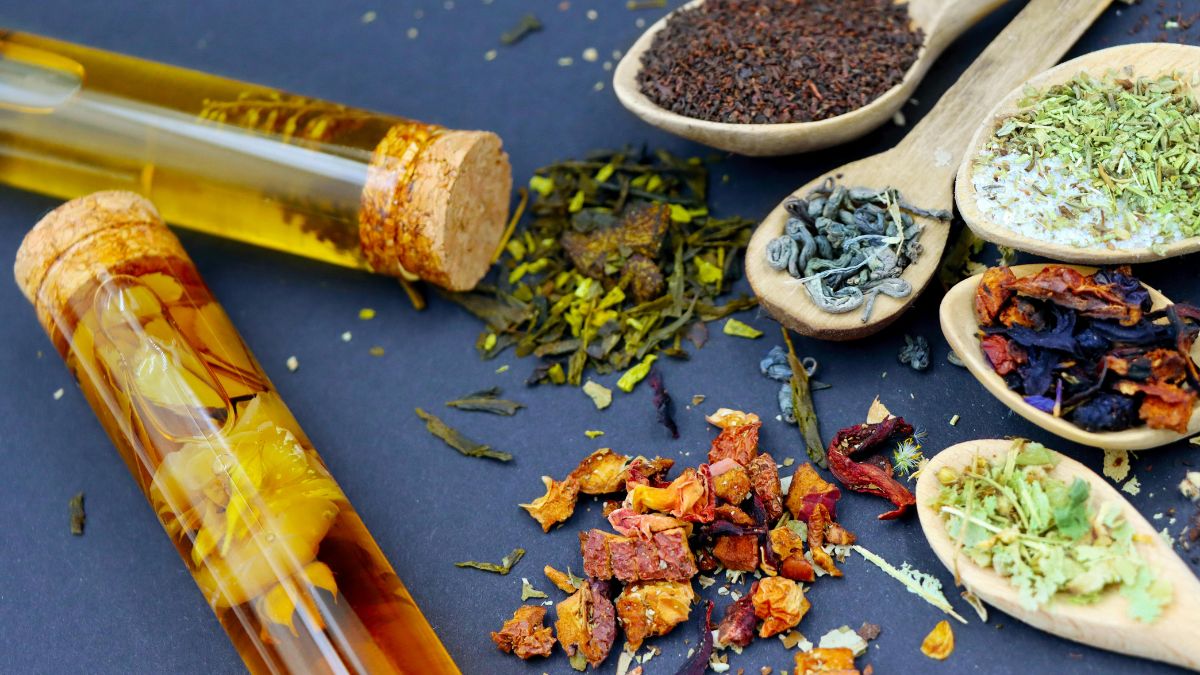
In recent decades, medicinal plants have gained much attention. But much of this renewed interest has been from the pharmaceutical industry, which looks for individual compounds in plants that could be used as drugs. So this approach has helped to make medical discoveries, but some people may feel that whole herbs are not being considered in our treatments.
A long history of healing
Medicinal plants have earned their reputation through generations of practical use. Herbs such as dandelion, comfrey, foxglove (Digitalis), poppy, milk thistle, and stinging nettle have been traditionally used for various purposes and have been studied extensively for their biological activity.
Many modern medicines are derived from plants. Researchers are still investigating old remedies in the hope of finding new treatments for today’s diseases.
One of the most well-studied studies is at the Royal Botanic Gardens, Kew, London, where scientists explored the medicinal potential of dandelion. Early research has also focused on compounds in the plant that may have biological relevance to cancer research. Dandelion has also been traditionally used for other uses - digestive and skin health care.
Professor Monique Simmonds of Kew Gardens says researchers focus on plants with long histories of medicinal use and investigate compounds that are responsible for their effects.
What is not the same as isolating compounds in whole herbs?
Modern pharmaceutical research typically works to identify the "active ingredients" in medicinal plants. These compounds can then be synthesized and made into drugs.
Traditional herbal medicine, however, tends to be a different philosophy.
Instead of one chemical compound, herbalists use the whole plant or a combination of herbs. The idea is that the many natural compounds present in a plant are integrated, and they have complementary or synergistic effects that are not the same for one molecule or one component.
And traditional herbal medicine supporters say that the separation of one compound from hundreds of naturally occurring substances can change the way the remedy behaves in the body.
The most common analogy is that to focus only on one compound in a plant is to say that the engine is the only part of a car that matters, while leaving the transmission, brakes, steering, and other parts of the car to be done separately.
The problems of scientific research
Scientific research is crucial to confirm whether treatments are safe and effective. Laboratory testing allows researchers to determine compounds to be used, determine the exact dose, and even what risk they pose.
However, the study of complex herbal formulations is difficult.
Many medicinal plants have hundreds, even thousands of chemical compounds naturally present that may interact with each other. Commonly, Chinese medicine does not prescribe a single herb, for instance. Most practitioners will put together various herbs in a balanced treatment and make it fit the patient's needs.
Since these formulations can be personalized and involve multiple ingredients working together, they can be difficult to evaluate using traditional clinical trial methods designed for testing a single drug.
Some herbal practitioners believe whole herbal formulas should be studied in real-world clinical settings rather than only isolated compounds in lab-based studies.
White Willow Bark Lessons
Some of the best-known examples of modern medicine from plants is aspirin.
Salicylic acid, the active ingredient, was identified in the bark of the white willow tree. Scientists produced synthetic aspirin that became one of the most commonly used drugs in the world.
Supporters of herbal medicine frequently point out that traditional white willow bark preparations can contain many other naturally occurring compounds in addition to salicylic acid. Some scientists have suggested that such compounds can affect how well the herb is tolerated, although aspirin and herbal willow bark are not interchangeable.
This example illustrates the difference between using a plant extract and using a single isolated chemical compound.
Traditional Herbal Medicine Today
Herbal medicine still is widely practiced throughout the world.
Traditional Chinese medicine, Ayurveda, Western herbal medicine, and many Indigenous healing systems rely on centuries of accumulated knowledge about medicinal plants and their combinations.
In Chinese medicine, herbal formulas are designed according to specific therapeutic requirements. Different herbs are assigned different roles in the formula, some of them addressing the primary condition, others helping digestion, controlling side effects, or helping the whole treatment balance.
This approach is quite different from the pharmaceutical model, where one active ingredient is usually developed to target a specific biological mechanism.
A Balanced Perspective
And the intersection of pharmaceutical medicine and herbal medicine is important in health care.
Today's medicines have revolutionized medicine in the treatment of many serious diseases and saved many human lives, and are still necessary for many acute and chronic medical problems.
At the same time, medicinal plants continue to be the subject of scientific interest as they are an enormous source of biologically active compounds and have a long history of traditional use.
In fact, as a field of research is developed, there is growing interest in not only isolated plant chemicals but also in the complex interactions that occur within whole herbal preparations.
Medicinal plants have supported human health for thousands of years and many modern drugs are derived from traditional herbal remedies. Pharmaceutical research usually focuses on isolating individual compounds, whereas traditional herbal medicine generally focuses on the combination of natural ingredients in the body.
As scientific knowledge increases, integrating rigorous research with traditional herbal wisdom can help us to better understand how medicinal plants can help to modernize health. Further research in whole plant therapies and isolated compounds could advance treatment options and preserve centuries of valuable herbal knowledge.