India has made remarkable progress to improve its healthcare system in the past decades. But quality healthcare still remains an issue in many rural areas and many of the population is not getting enough doctors, the medical infrastructure is not sufficient and there are no quality healthcare facilities. In this scenario, Non-Governmental Organizations (NGOs) have emerged as important partners in health care delivery and awareness and they are supporting government efforts to improve public health.
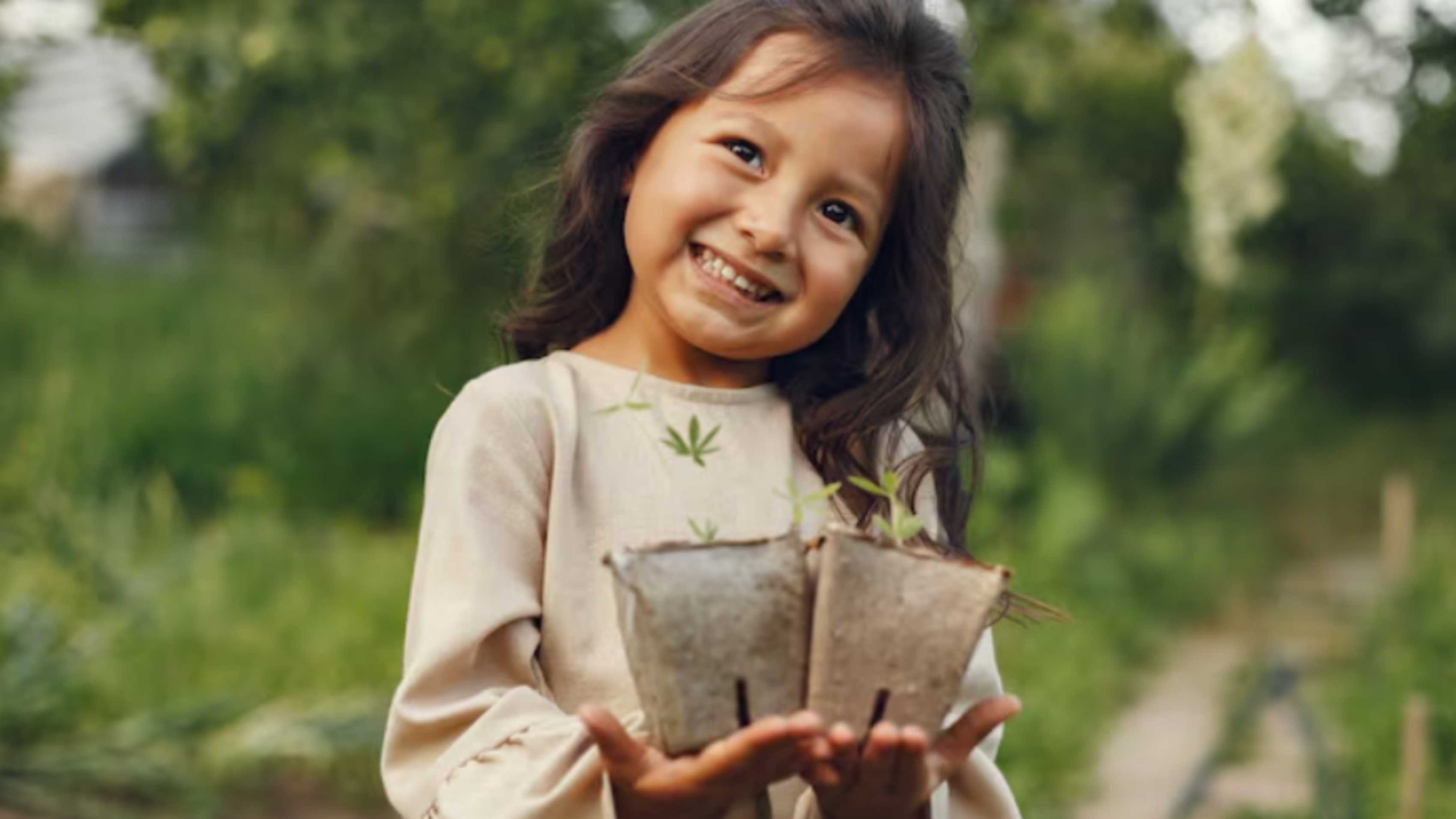
In each and every country, NGOs are working in partnership with other NGOs to bridge the healthcare gaps such as reaching remote villages, providing early preventive care, and supporting those who are least well-off to get the help they need most from those rural areas in health, and to see that those who don't have access to health care.
Expanding Access to Healthcare
One of the greatest contributions of NGOs is to improve health care access in remote and unserved areas. Many villages are far from hospitals and primary health centres so they are not receiving timely care. NGOs frequently establish mobile medical units, organize health camps, and establish community clinics that bring health care to the people’s doorstep.
These initiatives provide consultations, basic diagnostic care, medicines, and referrals to specialist care when needed. NGOs are also able to help rural families and the poor to receive essential medical care without huge financial burden by reducing travel time and healthcare expenses.
Improving Maternal and Child Health
Maternal and child health care has been a major focus area for many NGOs working in rural India. Through awareness campaigns, prenatal check-ups, nutritional assistance, immunization drives, and institutional delivery promotion, these organizations contribute greatly to reducing maternal and infant mortality.
Community health workers trained by NGOs teach expectant mothers about proper nutrition, breastfeeding, hygiene, and newborn care. They also encourage regular health check-ups and vaccination to help families adopt healthy practices that are beneficial to a family’s health and social well-being in the long run.
Promoting Preventive Healthcare
Health NGOs invest heavily in prevention and education rather than treatment. Health awareness campaigns about sanitation, safe drinking water, nutrition, menstrual hygiene, tobacco control, and communicable diseases enable people to take proactive steps toward better health.
Regular screening for diabetes, hypertension, tuberculosis, anemia, and eye diseases can help diagnose diseases early and prevent complications.
Leveraging Technology for Better Care
Digital healthcare has opened up new avenues for improved medical services in rural India. In the world of NGOs, telemedicine is now used to connect patients in villages with doctors in cities. Video consultations and digital health records allow patients to get expert medical help to resolve their problems without traveling many kilometers.
Some organizations also use mobile applications to track pregnancies, monitor chronic diseases, and remind patients about vaccinations or medication schedules. These technology-driven solutions are making healthcare much more efficient and easy to access.
Strengthening Community Participation
A key strength of NGO-driven healthcare initiatives is community involvement. Local volunteers, Accredited Social Health Activists (ASHAs), village health committees, and self-help groups often work alongside NGOs to promote and help NGOs to work in the community to raise awareness and promote healthy practices.
Training local health workers ensures that basic healthcare support is still available even after specific projects are done. This community-based model is sustainable in the long run and it leads people to take part in public health improvement.
Supporting Government Healthcare Programs
NGOs frequently collaborate with government agencies to complement national health initiatives. They help with vaccination campaigns, tuberculosis control programs, nutrition missions, and public health awareness campaigns.
Working with local administration and healthcare departments, NGOs help extend government services in the most difficult-to-access areas where the resources for healthcare providers and health systems are limited to the most basic needs. Therefore, they are able to work together with local agencies and healthcare agencies to get government services more rapidly through NGOs’ involvement.
Addressing Mental Health and Disability Care
Many NGOs have increased their efforts to include mental health awareness, counseling services, and rehabilitation support for persons with disabilities in recent years. Mental health in rural areas is often poorly connected, and stigma and lack of professionals can lead to a lack of access to mental health services.
NGOs’ public awareness campaigns promote people to seek help early on and to be available to assist in early recognition and acceptance and inclusion in communities.
Challenges Faced by NGOs
Even with their impressive contributions, NGOs are still facing several challenges: funding problems with low funding, lack of trained healthcare professionals, insufficient trained health professionals, logistics in remote areas, and long-term sustainability of projects. They need to be able to keep up the support and coordination with others to achieve high impact and cooperation with public healthcare systems for them to be in sync with the health system is necessary for their impact.
The future of rural health in India will only be possible if governments, NGOs, healthcare professionals, private organizations, local communities, and the healthcare sector work in partnership with each other. NGOs will have a much larger role to play in the delivery of healthcare in India with the technology and public awareness of the healthcare sector evolving, as well as in the development of medical education and preventive medicine.
With community engagement, innovation, education, and equitable access to healthcare, NGOs have transformed lives in rural India. NGOs not only improve health outcomes but also contribute to social and economic development and overall quality of life.
As India strives to achieve universal healthcare coverage, the role of NGOs will be essential to get quality healthcare to every village, regardless of where you are from and what you earn.