
Travelling can be fun whether on a road trip, in the air or by train or boat. But for some people travel sickness turns an enjoyable trip into an uncomfortable one. Nausea, dizziness, sweating, headaches and vomiting make even a short journey difficult.
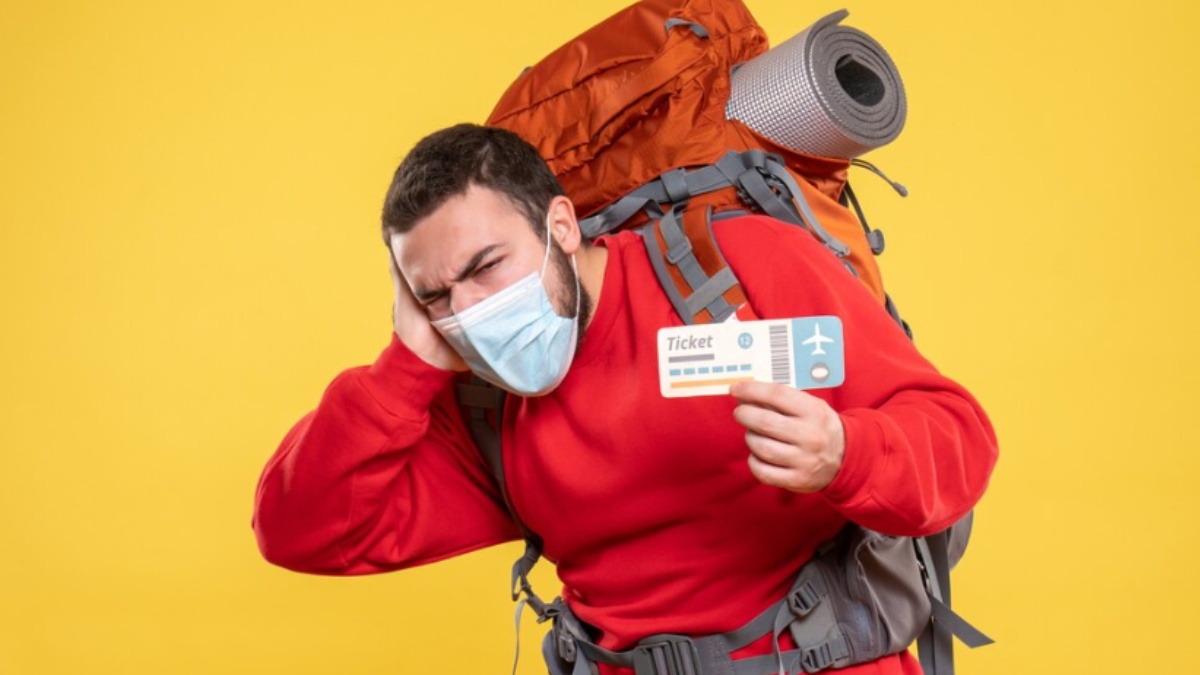
Travel sickness (also called motion sickness) is when the brain receives conflicting signals from the eyes, inner ears and other parts of the body that help maintain balance. It happens on journeys by cars, buses, aeroplanes and ships.
Travel sickness can’t always be prevented but a few simple habits can reduce discomfort and make travelling easier.
1. Choose the Right Seat
Where you sit on a journey matters. Try to choose a seat where you move less.
- In a car: Sit in the front passenger seat and look towards the road.
- On a bus: Choose a seat near the front.
- On a train: Sit facing the direction of travel and look outside at distant objects.
- On an aeroplane: A seat near the wings may move less.
- On a boat: Move toward the middle of the vessel (movement is less obvious).
Keeping your head steady can also help reduce discomfort.
2. Avoid Reading or Using Your Phone
Reading books, watching videos or staring at your phone all the time on a journey can make travel sickness worse.
Your eyes see a stationary screen and your inner ear senses movement. That difference can make the conflicting signals reaching your brain stronger.
Instead look outside at the horizon or distant objects. If possible take breaks from screens during long journeys (e.g. travel time).
3. Eat Light Before Travelling
What you eat before you go on a journey can affect how comfortable you feel.
Don’t eat very heavy, oily, spicy or large meals just before travelling. These foods may make nausea more painful for some people.
Instead, have light meals and simple snacks. Don’t travel on an overfull stomach or if an empty one makes you feel ill don’t go without food for too long.
4. Stay Hydrated
Drink plenty of water while traveling especially if you sweat a lot or vomit.
Drink small amounts of water regularly instead of gulping it down all at once. Don’t drink too much alcohol and limit caffeine if it makes your symptoms worse.
Having a water bottle with you will keep you hydrated during the journey.
5. Get Fresh Air
A stuffy or warm environment makes travel sickness feel worse.
If you can, open the window in the car or use an air vent pointed at your face. On a boat time spent out of doors may also help.
If you are travelling by car, stop at safe places regularly to get outside and stretch and breathe.
6. Try Ginger for Nausea
Ginger is a traditional remedy for nausea. Some people find ginger tea, ginger sweets or ginger-based products helpful while travelling.
Scientific evidence for its effectiveness in preventing motion sickness is limited. It may not work for everyone and ginger supplements can interfere with some medicines.
7. Consider Medication if Necessary
If travel sickness happens often or becomes severe ask your doctor/pharmacist for advice about medication.
Some antihistamines (motion sickness medicines included) may prevent or reduce symptoms. Some cause drowsiness, dry mouth and blurred vision.
Always follow the dosage given and check if the medicine is suitable for your age and health situation. Do not drive if a medicine makes you sleepy.
8. Take Breaks During Long Journeys
Long journeys increase discomfort (especially if there is continuous movement).
If you are driving, stop at safe intervals to walk around and get some fresh air. If on train or plane move around when allowed and comfortable.
Resting your head, closing your eyes and not moving unnecessarily can also help.
When Should You Seek Medical Advice?
Sickness happens occasionally on the road but it can usually be prevented with simple measures. If symptoms are severe or frequent, or if they continue after the trip ends, see a doctor.
Dizziness that lasts long, vomiting repeatedly, dehydration or neurological symptoms not typical of motion sickness should not be assumed to be caused by motion sickness.
Final Thoughts
Travel sickness can make travelling uncomfortable but it doesn’t have to ruin your plans. Seat selection, limiting screen time, light meals and water intake will help reduce symptoms.
Knowing what makes you uncomfortable and planning for a trip before you go can make travelling easier and more fun.
Disclaimer: This article is for general information purposes only and not a substitute for professional medical advice. If symptoms persist or are severe, see your healthcare provider.






Comments