
Bangladesh’s garment industry is in crisis as protests by garment workers demanding higher wages continue to shut factories and cut production ($428 million lost).
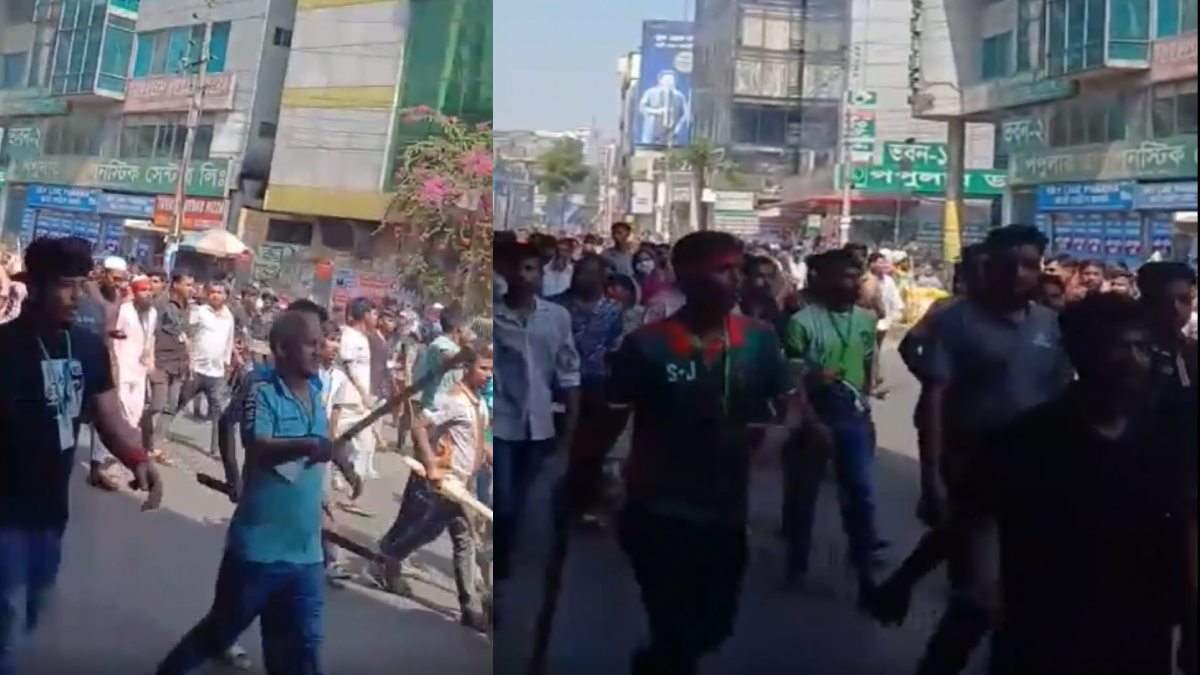
Labour unrest has crippled one of the country’s biggest export sectors, with factory closures, delayed shipments and growing fears among international buyers, while protests have continued despite demands for better wages and working conditions and several global fashion retailers and clothing brands have shifted orders to competing countries. BGMEA estimates financial damage is hundreds of millions of dollars so far, but actual impact could be much larger.
The $428 million loss was from a BGMEA preliminary survey of 317 garment factories between November 1 and November 18. The association said some factories were shut down for one day to as many as 16 days during this period; production schedules and export commitments were disrupted severely; direct production losses (FOB export values) amounted to $428 million on a Free on Board basis. “This survey covers only part of the affected industry and does not capture the total financial impact of the ongoing unrest,” warned BGMEA.
One of the biggest concerns arising from the protests is loss of international orders. BGMEA said international retailers, fashion brands and buyers have shifted confirmed garment orders worth $254 million to other countries because of uncertainty over production stability and delivery schedules in Bangladesh (around 59 million pieces of garments).
This has created doubts about Bangladesh’s position in the global apparel supply chain as competing countries are increasingly benefiting from production uncertainty; manufacturers are also unable to meet existing shipment deadlines, so further cancellations and financial penalties are possible.
The protests have been led by workers who want a significant increase in their minimum monthly wages. Garment workers say their salaries are not sufficient to cover rising living expenses (food, housing, transportation and health care costs). They want the minimum monthly wage to be increased from 12500 taka now to 30000 taka.
“We need such a big revision so that we can live with some standard of living when inflation is going up and household expenses too,” they said. But manufacturers fear that a sharp increase in wages will put factories already struggling with higher production costs, utility bills and uncertain international demand under more financial strain.
The unrest has hit industrial areas in Ashulia and Gazipur, where factories have been shut down, and clashes between protesters and police disrupted normal business. In some places, workers took to the streets, blocked roads and participated in demonstrations for a hike in wages. Police were called in some incidents to control the situation (clashes and tear gas used earlier). Production schedules across the garment sector have been disrupted, so exporters are under pressure to fulfil orders from international customers.
Bangladesh’s garment industry is especially vulnerable to prolonged industrial instability because it is so important to the country’s economy. More than four million workers work in the sector, and $38 billion ($45 billion with inflation) a year worth of export earnings are generated here, nearly four-fifths of all export income, as well as clothing for several major international fashion brands and retailers.
Since apparel is sold on a seasonal basis worldwide, factory closures can seriously damage Bangladesh’s reputation as a reliable manufacturing and sourcing destination: The unrest now is particularly worrying because manufacturers have export commitments before Christmas shopping starts.
Meanwhile, talks are going on between the government, manufacturers and labour representatives to resolve the wage dispute. A government-appointed wage board will announce a revised minimum wage next month. Garment manufacturers may propose an increase of about 15 per cent, but this is still far below the workers’ demand for 30,000 taka (about $420) per month.
The difference between what workers expect from manufacturers and vice versa makes negotiations more difficult and raises questions about how soon normal production activities can resume.
BGMEA says the impact of unrest goes beyond immediate financial losses; shifting confirmed orders to other countries could damage Bangladesh’s export competitiveness and international business relationships in the long run. It wants all stakeholders to work towards stability, wage-related disagreements being resolved and factories operating uninterruptedly.
Hundreds of factories are affected, and workers will continue to press for better wages, so the coming weeks will be critical for Bangladesh’s garment industry as well; a negotiated settlement may restore production and buyer confidence; prolonged unrest may mean more losses for manufacturers, workers and the country’s economy as a whole.

Comments