
“Sleeping is the best meditation.”

In fact, sleep is one of the most effective means to enhance your physical wellbeing, emotional state, vitality and mental perspective. But in today’s fast-paced world, receiving quality sleep can seem nearly elusive. Improving sleep is about more than quantity but about finding the right habits and habits of space in which body and mind can go to rest. Here is how to begin sleeping better tonight.
Set a Uniform Sleep Schedule
Go to bed and rise at the same time every day—even on weekends—in order to regulate your internal clock to avoid a lot of bad fluctuations. A consistent routine tells your body when to shut down and when to wake up, making it easier for you to fall asleep like this naturally.


Start a Relaxing Bedtime Routine
A peaceful routine before the bed gets your mind and body ready to go to sleep, you said. That may involve reading a book, stretching softly or warming up in a shower. Dimming lights down and steering clear of stimulating activities also serves as a cue to your body that it’s time to chill out.
Limit Screen Time Prior to Going to Bed
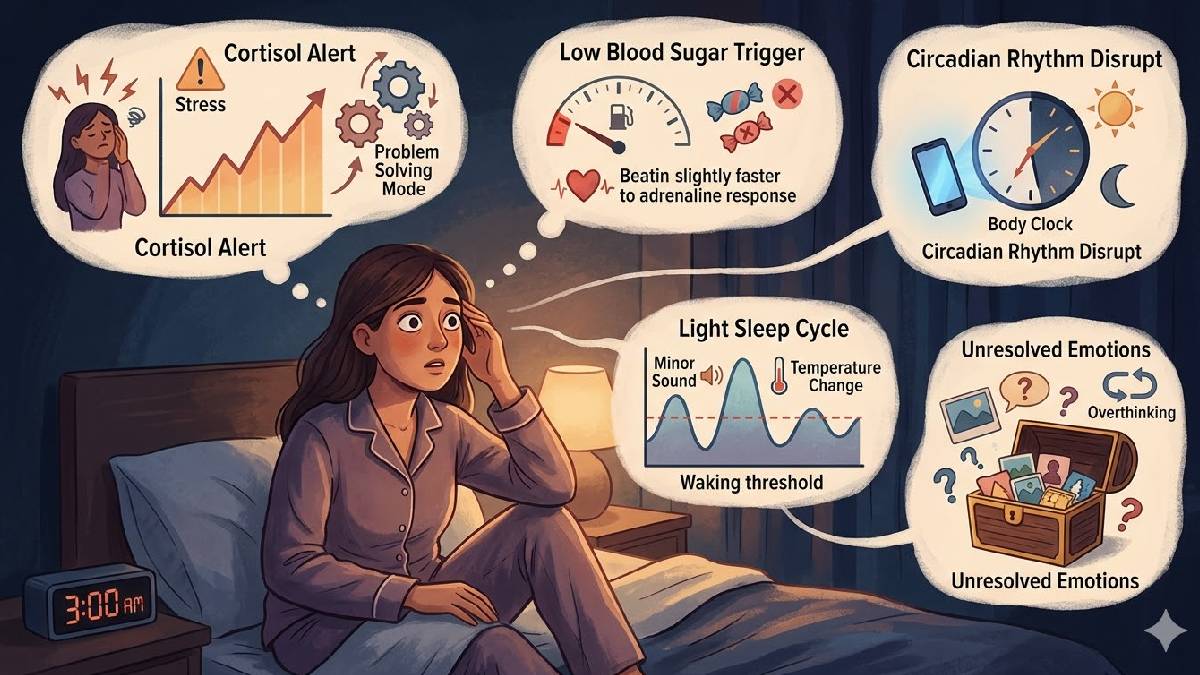
The blue light that phones, tablets and PCs emit stops the secretion of melatonin, which is responsible for sleep. Refrain from screens at least 30–60 minutes before bed to send your body a message that it’s rest time.
Be Sleep-Friendly
Sleep in your bedroom. Maintain an environment that feels dark, quiet, and cool. Keep the temperature low, dark and calm and cool and not too bright. Think of blackout curtains, earplugs or a fan. A comfortable bedding and mattress can also make a world of a difference.

Observe Diet and Caffeine Consumption
Avoid caffeine and heavy late-munchies. Each of them can interfere with your sleep patterns — you find it more difficult to fall asleep and not fall asleep. Make sure it’s a light snack if necessary and drink nothing too strong before bed.
Exercise Regularly
Regular exercise helps you to sleep very deep and restorative sleep, as long as a healthy sleep, getting enough exercise. Even small, light and moderate exercise can help your body rest at night. But strenuous workouts just before you go to bed can work the other way, so schedule exercise earlier in the day.
Dealing Stressly and Get Your Mind Clear
Rest and racing thoughts are common cause of loss of sleep. Journaling, taking deep breaths or reflecting into meditation before bed can help release your mind — and reduce anxiety, all of which make it easier to fall asleep.
Be Mindful of Naps
Short naps refresh you but lengthy or late naps disrupt your nighttime sleep. Keep naps under 20-30 minutes and try to take them earlier in the day.
Reservations of Your Bed for Sleep
Train your mind to connect your bed to your rest and not to engage in activities like working, eating or scrolling on your phone in bed. This reinforces the association between sleep and rest.
Listen to Your Body
And listen to your body signals about sleep. Go to bed when you feel sleepy rather than pressure yourself to be tired. Respecting your body’s rhythm is only going to help improve the quality of sleep over time.
Final Thoughts
Better sleep isn’t just about the feeling of being rested — it can have positive effects on your physical condition, emotional health and day-to-day performance. These routines will lead to a good night’s sleep, so that you can wake up refreshed, energized, and prepared for the day.
“Recharge Your Body. Refresh Your Mind. Renew Your Life.”










Comments
Leave a Comment