International Yoga Day 2026 has been set up for June 21, 2026, when millions of people will come together to celebrate physical well-being, mental health and spiritual equilibrium. With more than a billion people participating in the health and wellness day, they are not only an international thing, but it is happening in every culture.
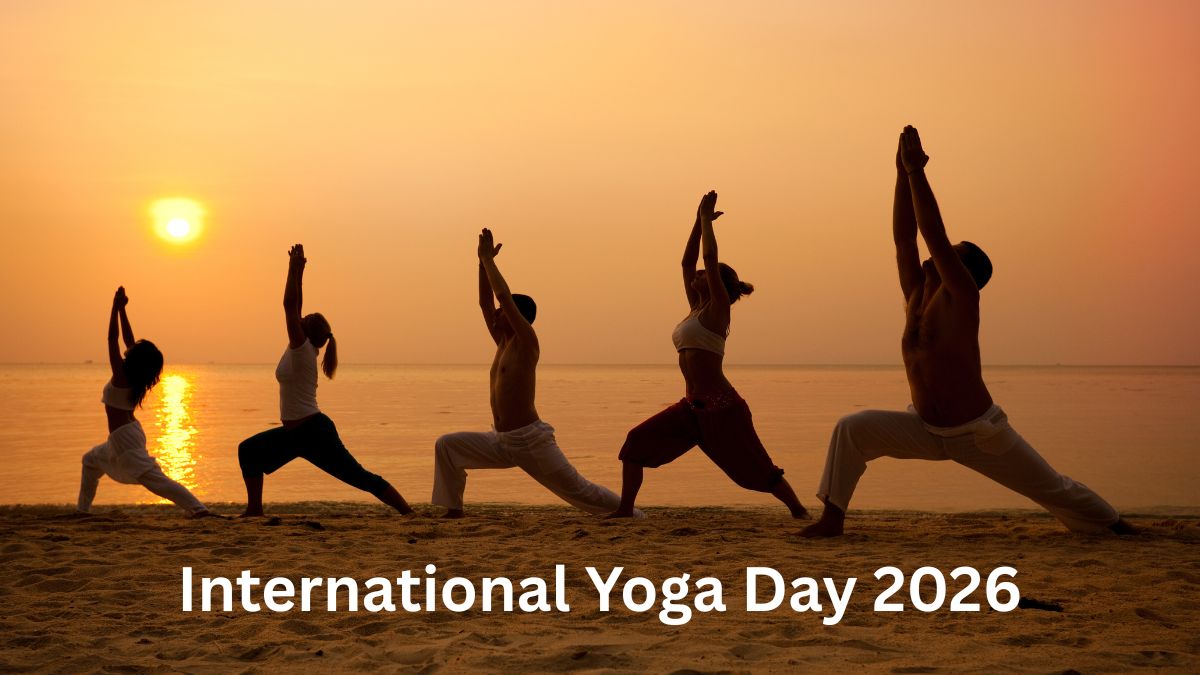
Yoga (a centuries-old practice that began in India) is now a common practice with all people at all ages. And on International Yoga Day, the world sees yoga as not only a way to strengthen our body, but as a way to feel in balance with our body.
International Yoga Day 2026 Date
International Yoga Day is celebrated every year on June 21, the longest day of the year in the Northern Hemisphere. In 2026, this will fall on a Sunday, so it is easier for municipalities, schools, organisations, and governments to organise large-scale yoga events and awareness programs.
The date was chosen because of its special significance in yogic traditions. It is a time of spiritual transformation, and it is meant to be a day to celebrate yoga and what yoga can bring.
International Yoga Day 2026 Theme
The official theme for International Yoga Day 2026 will be announced closer to the event by the Government of India and the United Nations.
Each year, there is a theme on health, sustainability, mental wellness or global harmony. Previous themes have focused on collective well-being, human health, resilience and yoga’s role in creating healthier societies.
The theme becomes an international focus of events, campaigns, workshops and awareness campaigns throughout the world.
What is the history of International Yoga Day?
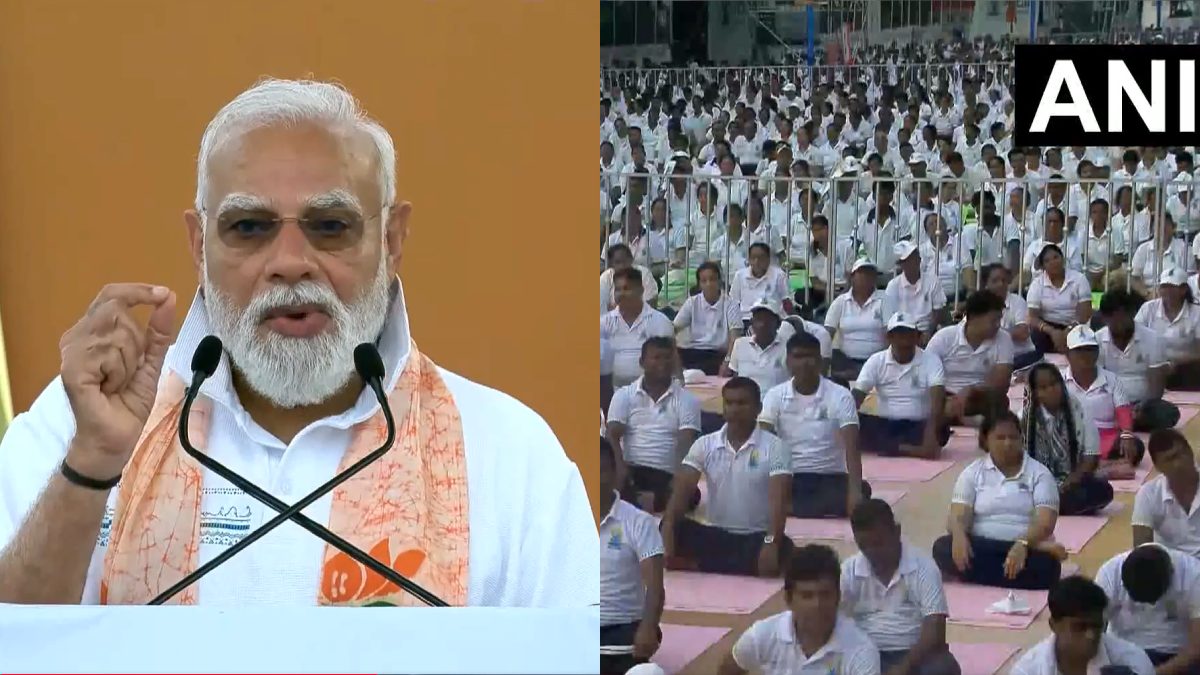
The idea of making it an International Day of Yoga was first raised by the Indian Prime Minister Narendra Modi in his speech at the United Nations General Assembly on September 27, 2014.
Modi said yoga was a gift of India’s ancient tradition, and noted that it was an integral part of India’s ancient traditions and how yoga is at the heart of the body and spirit and can unite the mind and the body and how the mind and body are united in harmony with nature.
The proposal got a massive international response. On December 11, 2014, the United Nations General Assembly adopted a resolution declaring June 21 as the International Day of Yoga. It was co-sponsored by 177 member states, making it one of the most popular resolutions in UN history.
On June 21, 2015, the first International Yoga Day was celebrated, marking the beginning of a global movement for wellness and mindfulness.
Why is International Yoga Day celebrated?
According to the International Yoga Day, there are more and more people than ever, and the world is more and more demanding on people who live in the world.
Fitness is a good way to combat loneliness. The stress is so high that sometimes people don’t have time to have sex at all, and not even eat much.
The observance also illustrates preventive healthcare. Instead of treating an individual for diseases, yoga encourages a healthy lifestyle that benefits one’s long-term health.
Yoga Day is also a celebration of India’s cultural and spiritual heritage and yoga itself, with its universal appeal and relevance in contemporary society.
Benefits of Practising Yoga
Yoga is one of the most comprehensive wellness practices that can be practised.
Regular yoga practice can enhance flexibility, strength, posture, balance and cardiovascular health. It reduces muscle tension, improves mobility, and increases overall physical endurance.
On the mental health side, yoga is well-known to help reduce stress, anxiety and depression. Yoga meditation or breathing exercises and meditation can help people to calm the mind and improve concentration, and develop emotional resilience.
Yoga has also been shown to improve sleep quality, immune health, lower blood pressure, and overall quality of life in general.
How International Yoga Day Is Celebrated
International Yoga Day is celebrated through a variety of events and activities organised by governments, educational institutions, healthcare organisations, yoga centres, and community groups.
Mass yoga demonstrations are among the most popular. Thousands of people often gather in parks, stadiums, beaches and public spaces to perform yoga together under the direction of trained instructors.
Workshops, seminars, webinars, and awareness campaigns are also held to bring people to know about yoga and promote regular practice.
Many schools offer yoga classes for students, and corporate organisations offer wellness programs for employees. Social media campaigns also help the event to become more popular, and millions in the industry participate.
Yoga's Growing Global Popularity
What was once thought of as an Indian practice is now a global phenomenon. Yoga studios, wellness retreats, online classes and fitness programs have made yoga available to people in nearly every country.
The COVID-19 pandemic just made the interest in yoga even more intense as people had to find the most efficient ways of dealing with stress and mental health, and for physical fitness from home.
Today, yoga is practised by hundreds of millions of people worldwide and is a powerful tool for holistic health and well-being.
Looking Ahead to International Yoga Day 2026
As International Yoga Day 2026 approaches, preparations are expected to begin across countries, communities and organisations worldwide. The event will once again allow us to get back in touch with ourselves, become connected, have a healthier life and be more in touch with our health and more balanced.
In an age of increasing stress, health issues and digital overload, yoga is still a simple but deep path to inner peace and overall wellness. International Yoga Day is a reminder that small daily accomplishments can make a difference that lasts over time, in the lives of individuals, communities and society as a whole.
Whether yoga is a physical, mental clarity, spiritual growth, or stress management tool for physical health, yoga is one of humanity’s most lasting and transformative gifts and still a gift of culture, uniting people across cultures, borders and generations.