India’s youngest generation of consumers is redefining how money is spent, with travel as one of the biggest priorities. Gen Z are more about experiences than possessions, and travel spending has increased by twofold in Tier 2 and Tier 3 cities in the country.
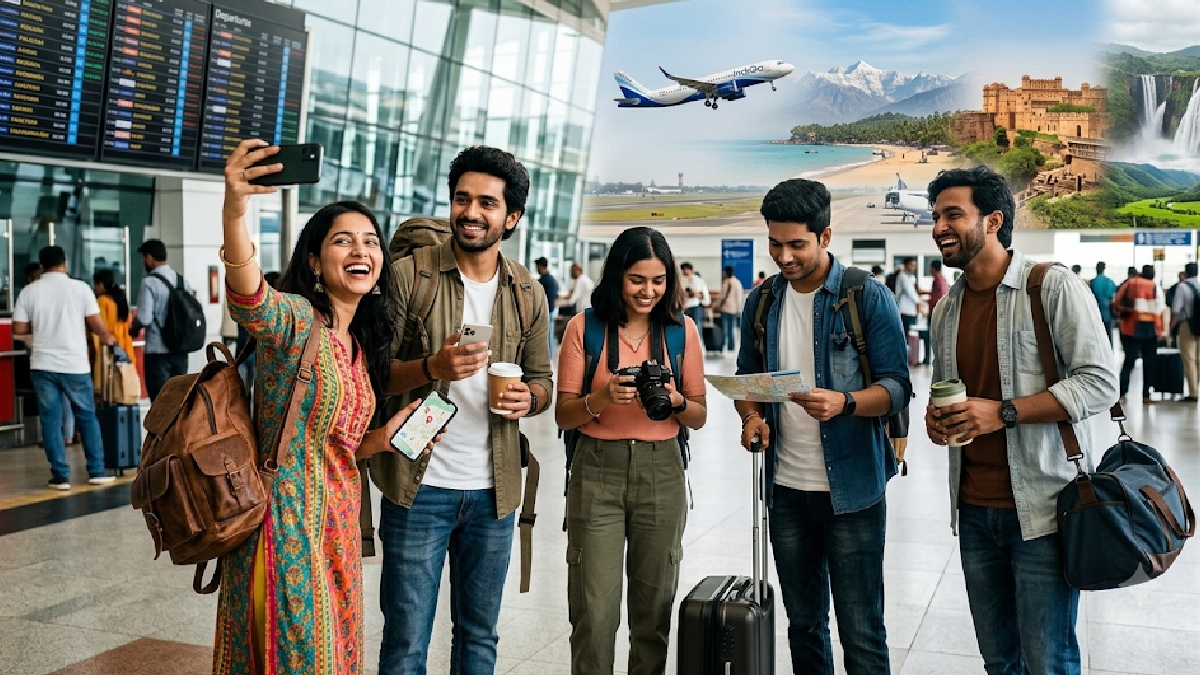
The findings are indicative of a larger consumer behavior towards memorable experiences, self-discovery and social connections as opposed to luxury goods or expensive gadgets young Indians are taking a trip around the world more and more these days because disposable incomes are rising and digital access is a great thing and travel is the best way to go, not only for the first time and experience the world around you as it was to visit different places and cultures but also to visit your friends.
The report notes that although metropolitan cities continue to account for a large share of travel bookings, smaller cities are catching up fast. Affordable flights, better highways, expanded railway networks, and cheap accommodation make travel more accessible than ever before.
Social media has also played a big role in inspiring travel. Viral videos, destination reels, travel influencers, and online advice on travel promote young people who prefer to explore the world’s hidden gems and unique places rather than tourist hotspots.
Nowadays, many Gen Z travelers' routes are based on their own experiences, not just in terms of a tourist spot but also on adventure sports, local food, cultural festivals, and wellness retreats.
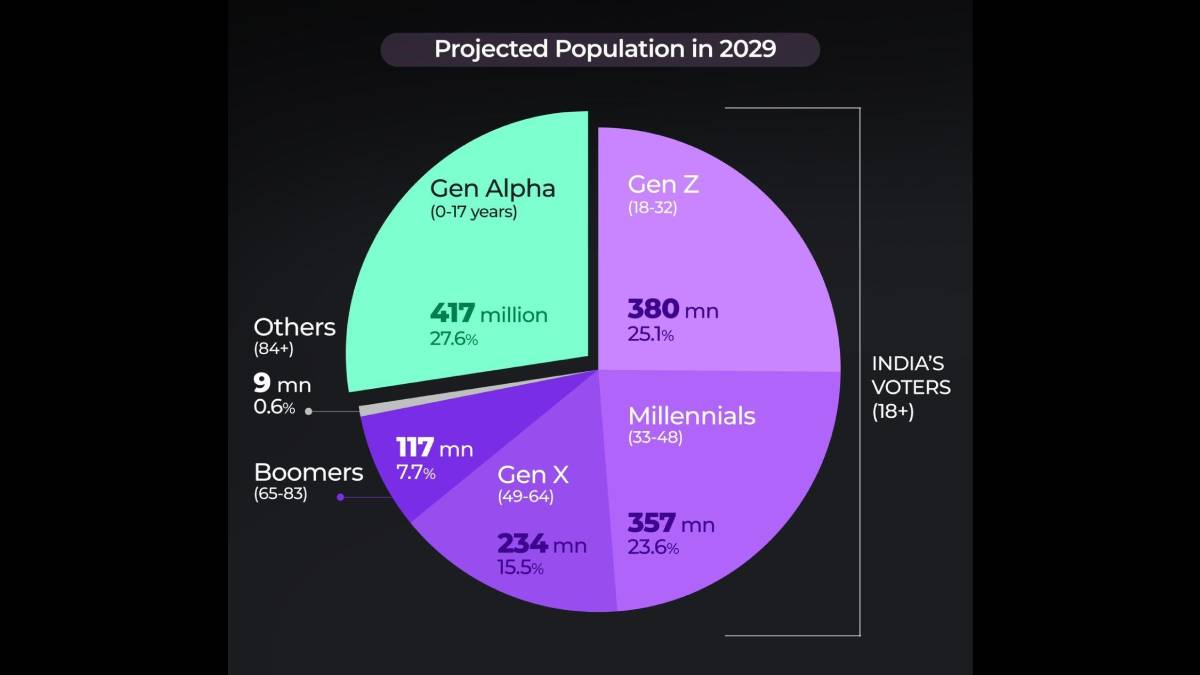
Industry experts believe this shift marks the rise of India’s experience-first economy. Instead of the kind of money spent on material things fashion, electronics, young people would like to spend on weekend trips, road trips, trekking trips, concerts, and foreign trips to create lasting memories.
The growth in Tier 2 and Tier 3 India is most significant as employment opportunities, digital payment adoption, and increasing financial independence are driving discretionary spending.
The easy travel booking and payment options, and some very attractive discounts have also made it easier for young people to travel more frequently.
Domestic tourism is now on the rise with destinations in Himachal Pradesh, Uttarakhand, Goa, Kerala, Rajasthan, and Northeast India gaining the interest of younger tourists.
International destinations in Southeast Asia and the Middle East are also gaining in popularity because of cheap airfares and easier visa procedures.
For businesses, the trend has huge scope. Airlines, hotels, travel agencies, hospitality brands, and tourism boards are all increasingly making their offers to Gen Z customers based on affordability, personalization, sustainability, and digital convenience.
As Gen Z are projected to come to the workforce in such large numbers, people will continue such experience-based spending behavior in the next few years.
The shift from material ownership to meaningful experiences is likely to change a lot of sectors travel, hospitality, entertainment, retail.
With India’s young consumers’ appetite for exploration and experiences, the tourism industry is in a state of perpetual expansion and travel is one of the defining lifestyle choices of the new generation.