
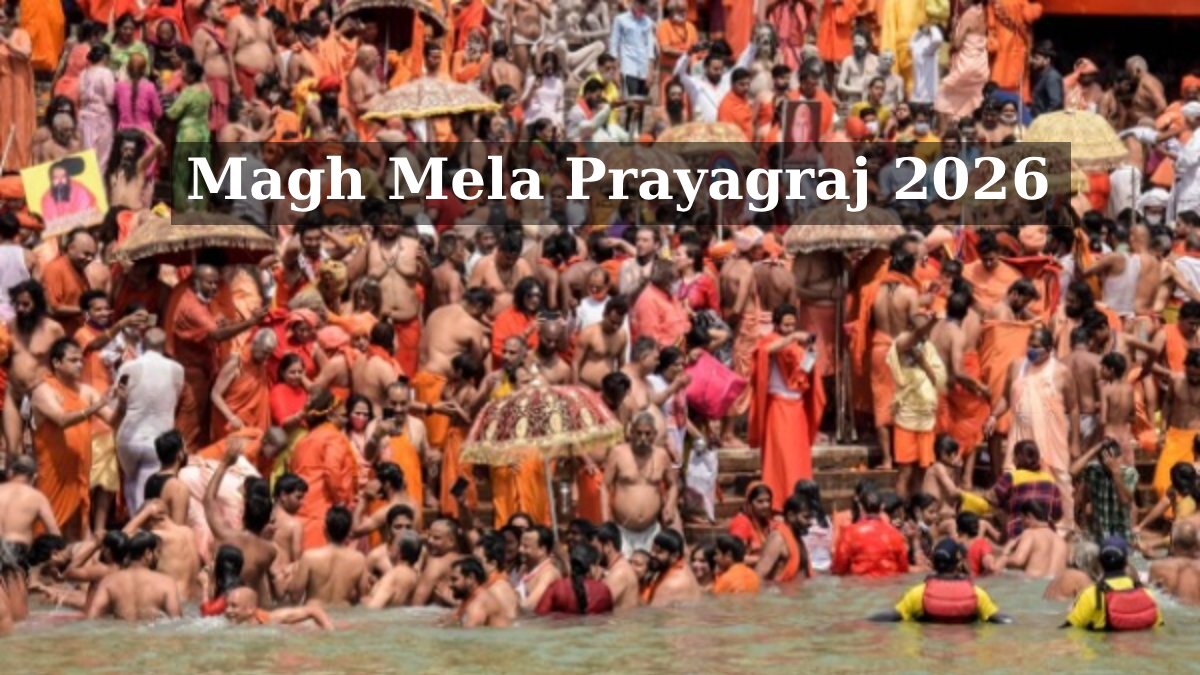
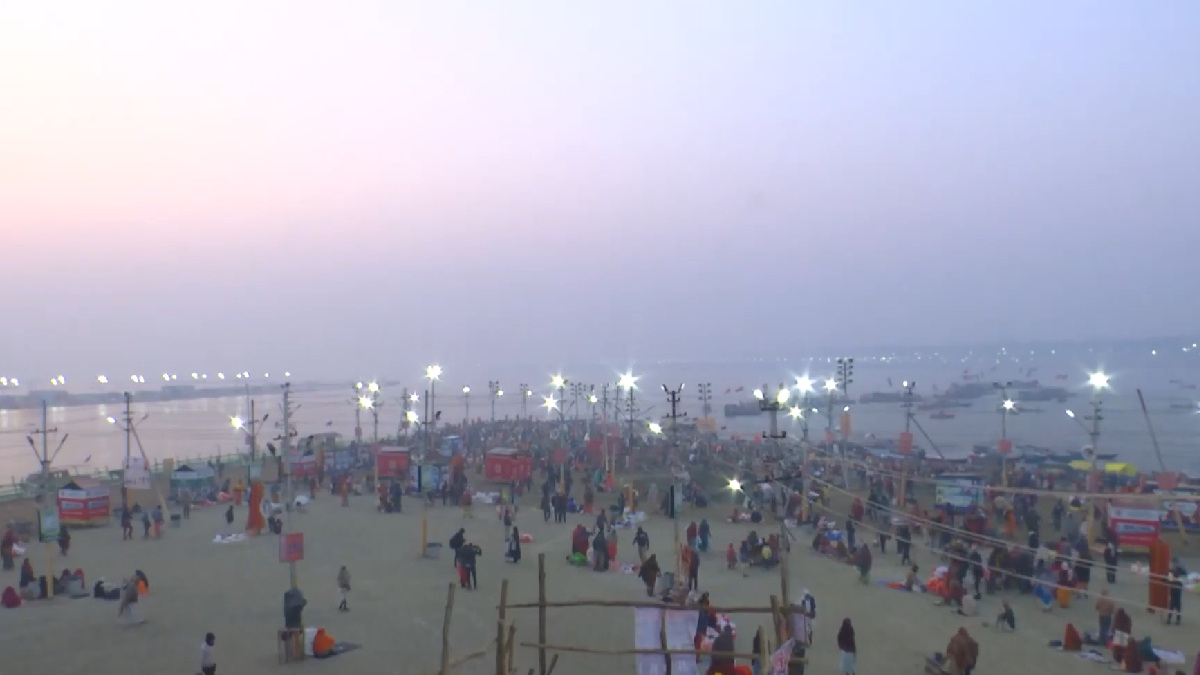
The Magh Mela in Prayagraj (formerly Allahabad), Uttar Pradesh, is one of the world's most ancient and profound spiritual gatherings. Held annually during the Hindu month of Magha (January/February), it is considered the "miniature Kumbh Mela" and offers the same deep spiritual ambiance as its larger counterparts (Ardh Kumbh and Maha Kumbh) but on a more manageable, intimate scale.
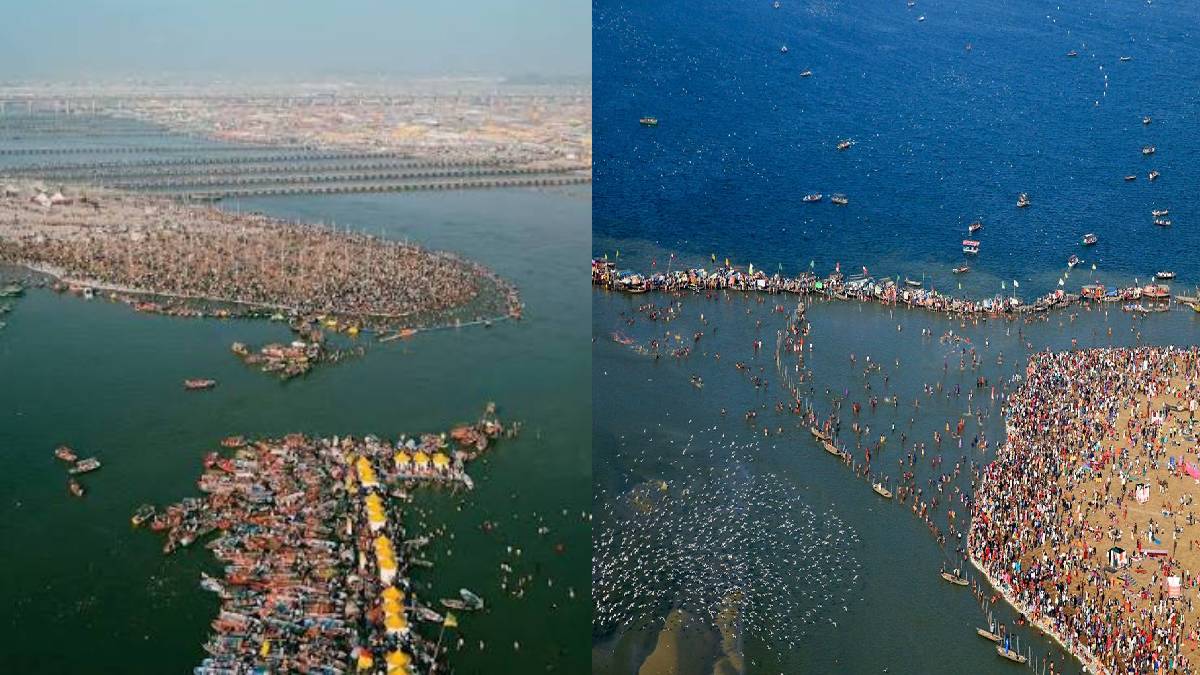
The heart of the Mela is the Triveni Sangam—the sacred confluence of three holy rivers: the Ganga (pale-yellow), the Yamuna (deep blue-green), and the mythical, invisible Saraswati. A dip in these waters during the auspicious days of the Mela is believed to cleanse one of sins accumulated over countless lifetimes and grant moksha (liberation).
The 2026 edition holds special significance as it immediately follows the massive Maha Kumbh 2025, benefiting from the upgraded infrastructure and enhanced preparedness of the Prayagraj administration. This makes Magh Mela 2026 an ideal time for pilgrims and spiritual seekers to experience the divine energy of the Sangam in a well-organized setting.
Magh Mela Prayagraj 2026: Dates and Duration
The Magh Mela 2026 is scheduled to run for 44 days, beginning with the first holy bath on Paush Purnima and concluding on Maha Shivratri.
- Official Start Date: Saturday, January 3, 2026
- Official End Date: Sunday, February 15, 2026
- Location: Triveni Sangam, Prayagraj, Uttar Pradesh
The Sacred Bathing Schedule (Snan Parvas)
The entire duration of the Mela is auspicious, but six dates, known as Snan Parvas (Holy Bathing Days), are considered exceptionally potent due to favorable planetary and lunar alignments. These days attract the largest crowds, including various Akharas (spiritual sects) and saints, making them the pinnacle of the Mela experience. The expected snan times are generally before and at sunrise, as pre-dawn hours are considered to carry maximum spiritual potency.
Key Rituals and Spiritual Practices
The Magh Mela is more than just a festival; it is a spiritual training ground defined by specific ancient rituals:

1. Kalpavas: The Month-Long Austerity
- Definition: Kalpavas is the vow taken by devout pilgrims, known as Kalpavasis, to live a simple, ascetic life at the Sangam for the entire month of Magha.
- Practice: Kalpavasis reside in temporary camps, follow a strict routine of daily early morning bathing, fasting, meditation, chanting, and listening to religious discourses. They limit worldly comforts to purify their mind, body, and soul, aiming for profound spiritual transformation.
2. Darshan of Saints and Akharas
- Akharas: The Mela hosts camps of various monastic orders (Akharas) of saints and sadhus, including the revered Naga Sadhus (who wear no clothes and are smeared in ash), Urdhwavahurs (who perform extreme austerities), and Parivajakas (who maintain silence).
- Shahi Snan: While typically a feature of the Maha Kumbh, the presence of the Akharas, especially during the major Snan Parvas, leads to majestic processions and the spectacle of the mass, synchronized 'royal bath' (Shahi Snan). Pilgrims seek the darshan (blessed sight) and blessings of these holy men.
3. Religious Discourses and Charity (Dana)
- The vast temporary city is dotted with tents hosting continuous Pravachans (sermons), Kirtans (devotional singing), and Bhandaras (community feasting) organized by various spiritual organisations.
- Dana (Charity) is a vital ritual, where devotees engage in acts of generosity, such as feeding the poor, distributing warm clothes and blankets, and offering donations, believing it earns merit (Punya).
Complete Travel Guide for Magh Mela 2026
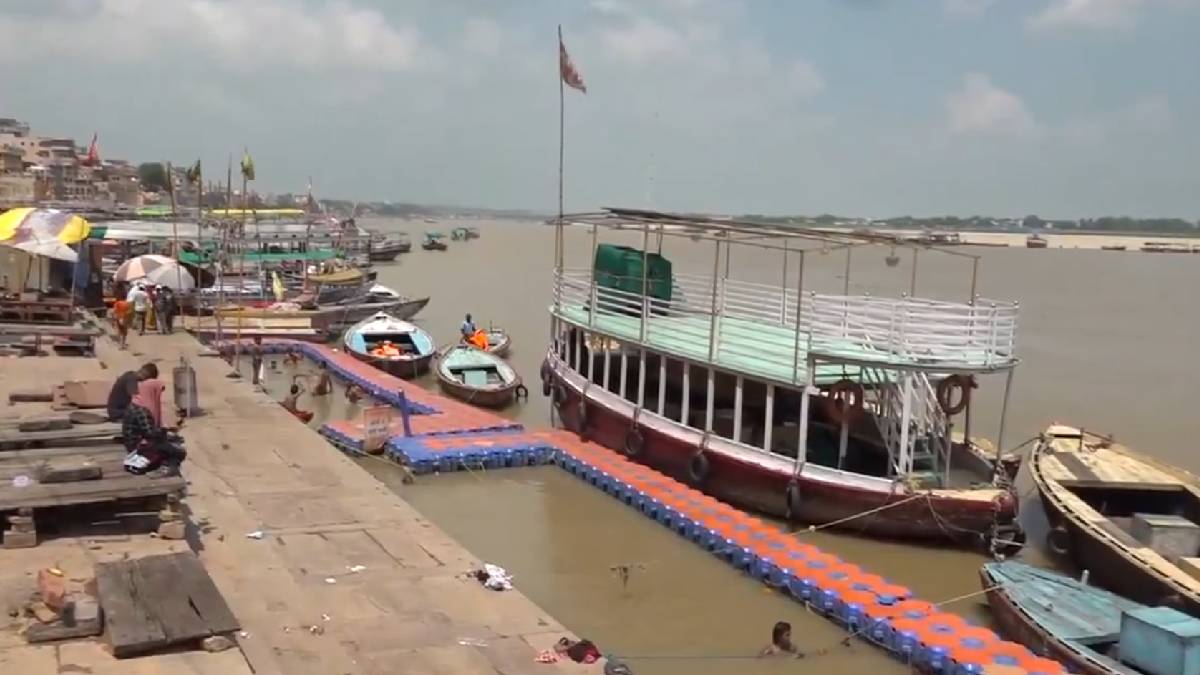
The Prayagraj Mela Authority sets up a highly organized, self-sustained temporary township complete with pontoon bridges, roads, electricity, sanitation, and medical facilities.
Accommodation and Stay Options
Accommodation during the Mela must be booked well in advance, especially for the major Snan days:
- Kalpavasi Camps: Basic, shared-tent accommodation for those observing Kalpavas. These are often very simple and provided by religious organisations.
- Mela Tent City: Various private operators set up comfortable to luxurious tented camps (often referred to as 'Swiss Cottages') near the Sangam. These offer different tiers of facilities, from shared tents to deluxe tents with attached bathrooms and all-inclusive meal plans.
- Hotels/Dharamshalas: Hotels and Dharamshalas (pilgrim rest houses) in Prayagraj city offer standard lodging. Expect increased prices and heavy traffic near the Mela grounds.
How to Reach Prayagraj
Prayagraj is excellently connected by all major modes of transport:
| Mode of Transport | Details |
| By Air | Prayagraj Airport (IXD/Bamrauli Airport) is the nearest domestic airport (approx. 12-20 km from the Mela ground), with direct flights to major Indian cities like Delhi, Mumbai, and Kolkata. The nearest international airports are in Varanasi and Lucknow. |
| By Rail | Prayagraj Junction (PRYJ) is a major railway hub connected to all parts of India. Special Mela trains and additional coaches are often deployed during the festival. Other important stations include Prayagraj Rambag and Prayag. |
| By Road | Prayagraj is located on major National Highways (NH-19, NH-30, etc.) connecting it to Lucknow, Varanasi, Delhi, and Kanpur. Special bus services (Mela buses) and numerous parking areas are organized by the state transport corporation (UPSRTC). |
| Local Transport | Within the city, you can use pre-paid taxis, auto-rickshaws, and temporary shuttle services arranged by the Mela authorities to reach the Sangam area. |






Comments
Leave a Comment