
World oil markets experienced a sharp decline as Donald Trump said he would stop making military strikes about oil production for a week to give Iranian energy infrastructure on a trial run. The unexpected action quieted the market’s nerves for an imminent supply disruption in oil and triggered a quick selloff in the market.
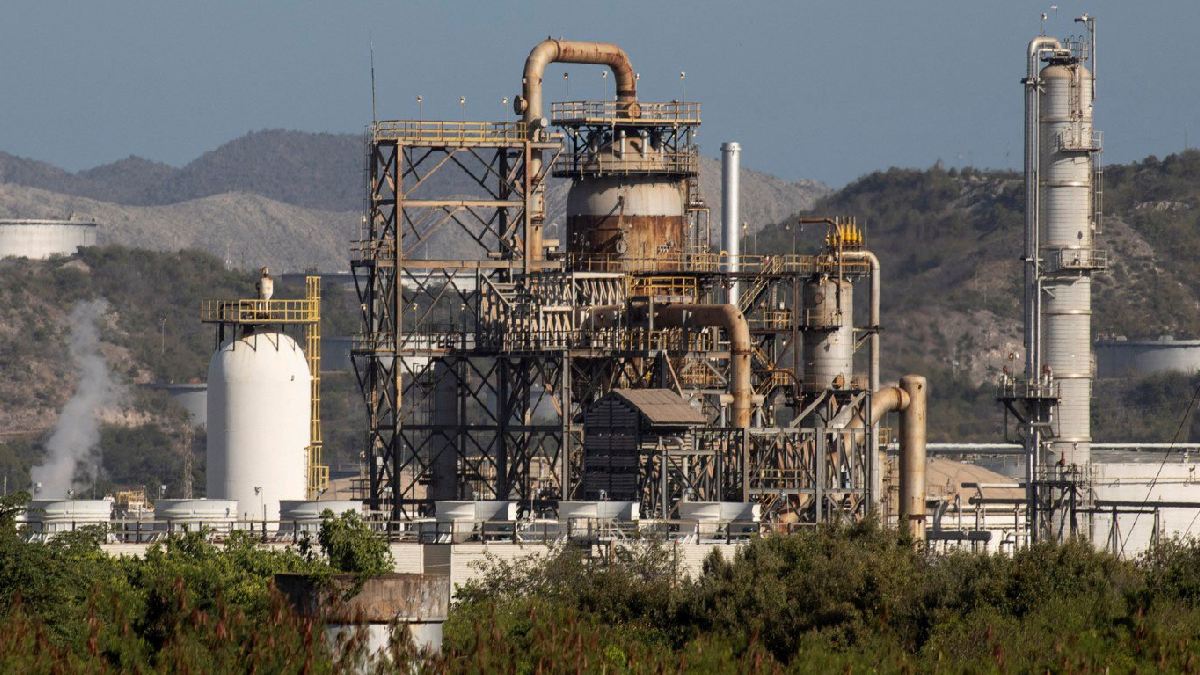
The decision in dismissing attacks on several of Iran’s main facilities as it happened to investors who had seen the Middle East escalate as an imminent threat for weeks. Before the announcement, the price of oil soared amid anxiety over whether or not a war would disrupt global supply in the region because of oil moves about the Strait of Hormuz.
Why has Oil Price fallen so much this year?
The most important factor behind the crash was the immediate reduction of geopolitical tension. Supply disruption in the event of strikes had been already priced out of the markets because it is such a risk now. But traders moved immediately to cover their positions when the threat eased and took a hit.
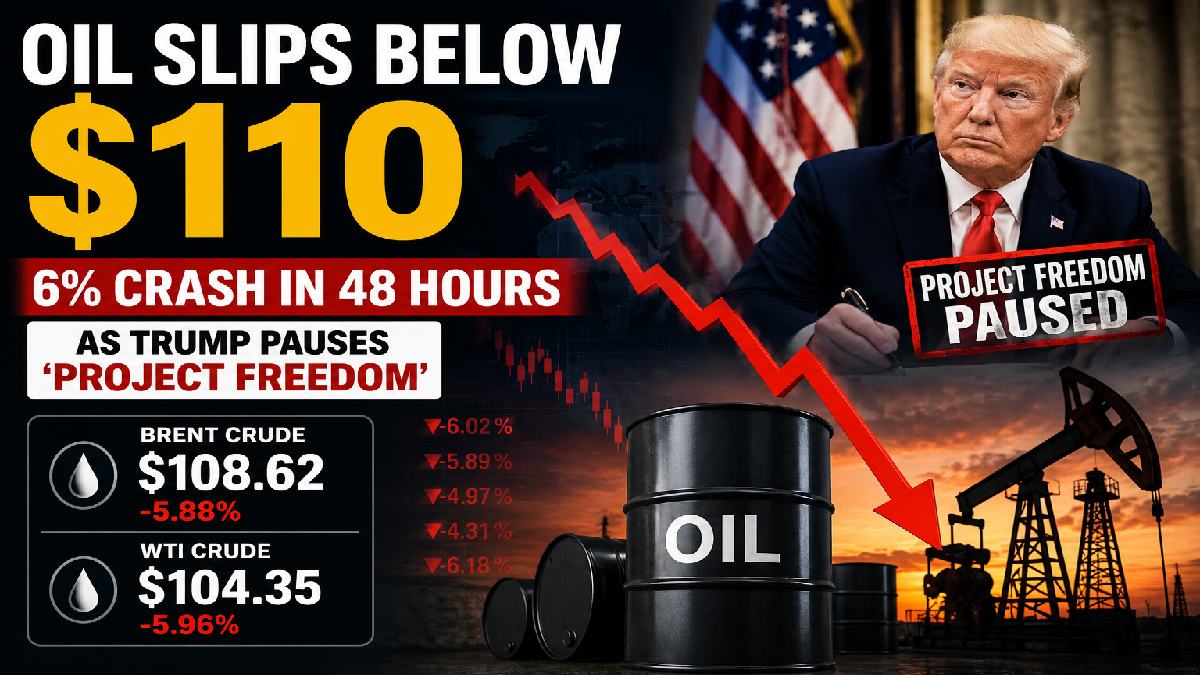
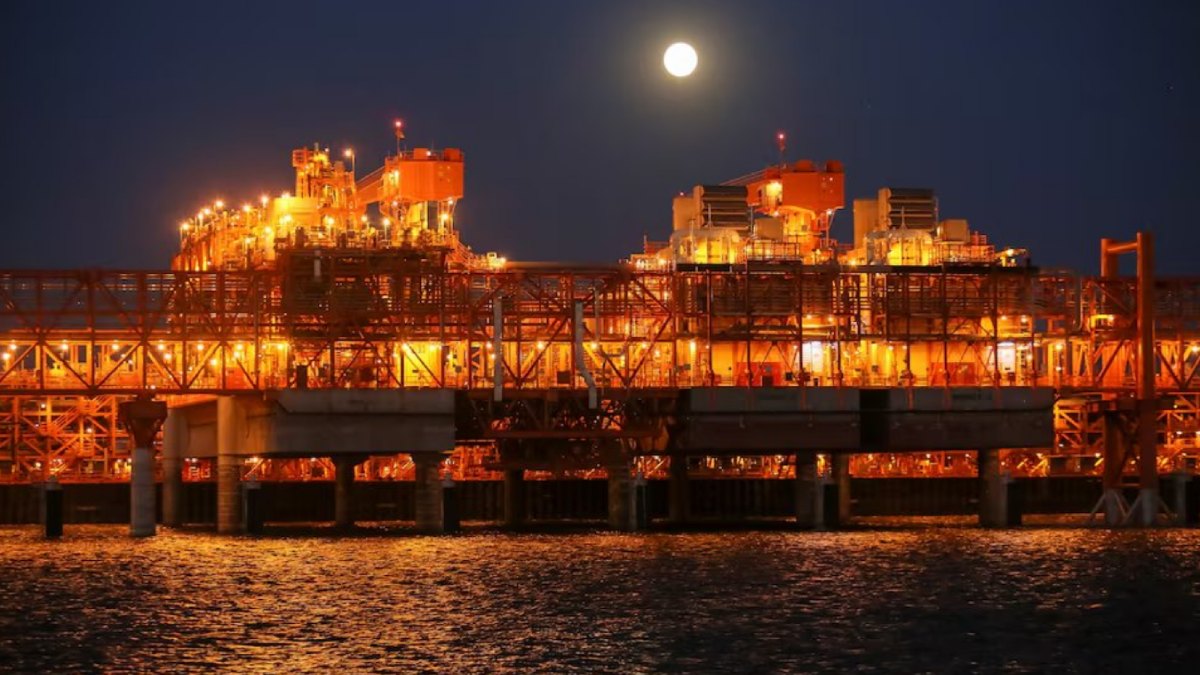
Supply Stability. Iran is one of the major players on the global supply chain for oil and oil services. Iran would have suffered severe damage on its energy industry by war in any case and therefore there is great uncertainty about the production of oil and gas because of the potential effect on energy security. The prospects of strikes taking place by the time they cease would affect supply and prices would decrease and keep prices down even further.
Profit booking by traders. The price of oil had risen very rapidly throughout oil prices so far leading up to the news. That pause triggered profit booking from traders who were locked in their gains, that further accelerated the drop.
Stronger Dollar. A strengthening of the United States dollar was another factor for the decline as oil is now traded globally in dollars. A stronger currency prices oil high with its currency; this leads to less demand (and hence the lower price).
Market Sentiment Shift. Investor sentiment evolved from fear to wary selling soon. If that is that there was no imminent conflict the pressure for people buying oil to hold oil as a hedge against geopolitical risk lessened.
Global effects of price drop
The 13% crash in oil prices will have mixed impacts on economics and on finance across the countries of the world. Lower fuel costs and less inflationary pressure for oil-dependent oil-consuming countries including India will result in an increased revenue, while oil-exporting nations will face some challenges if prices remain low.
Energy stocks had an instant reaction, with many stocks dropping on the news of the lower crude oil prices in some of the sectors.
Whom do you think lies behind this two-and-a-half-year crisis to come? The pause temporarily calmed markets, but uncertainty has not been satisfied, and we think the Middle East is still a very volatile region and a renewed rise can reverse them instantly.
The oil market is more closely linked to political dynamics, particularly those of Iran, as well as strategic routes like the Strait of Hormuz. Global stock markets are told that they should be watchful for political developments and will be closely regulated.
More important, the 13% fall in oil prices illustrates how quickly stock markets respond to global political situations. Yet even if military play has been suspended for a little while now, the scenario is fluid, not settled. For now the focus falls on whether diplomacy will succeed or there will be fresh tension.







Comments