
Anxiety has become one of the most common mental health challenges in today’s fast-paced world. And while life events, work pressures, financial stress, or personal relationships can certainly trigger anxiety, there are certain daily activities that can make you anxious over time.
The good thing is that we can learn to recognize the habits that are going on and do small changes in habits that can provide a little peace in yourself. That is a first step toward getting calm and more in control because everyone goes through anxiety differently.
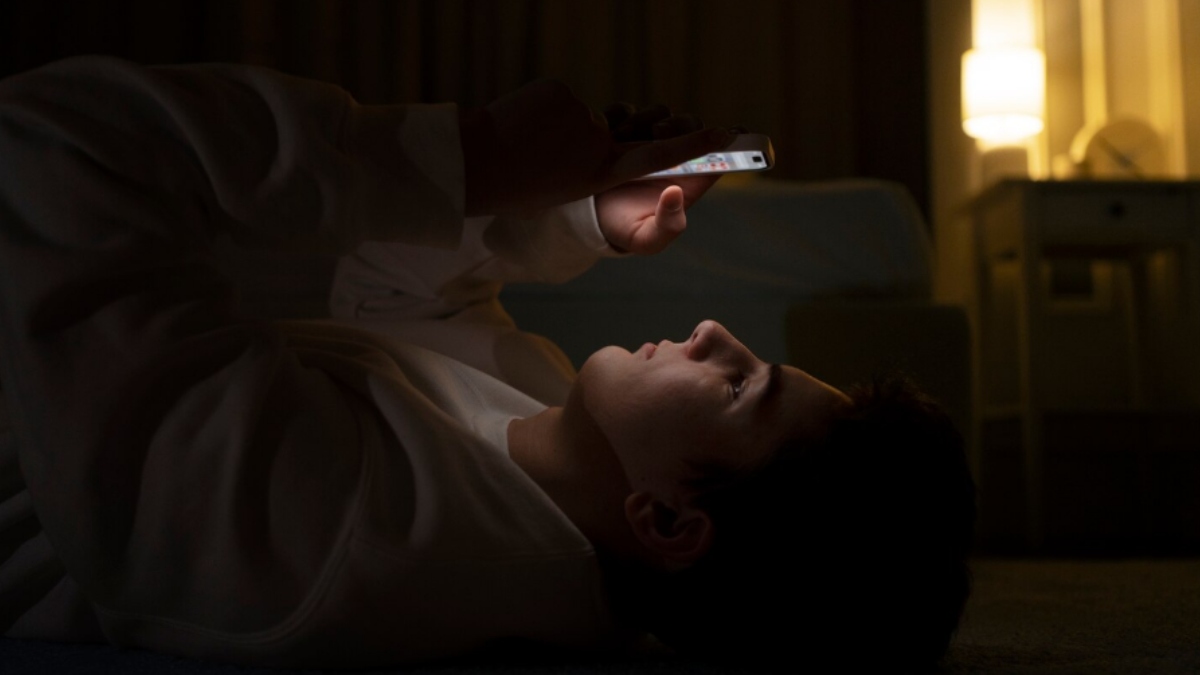
Anxiety is caused by lack of sleep. If you sleep for too little time or not enough, too much time for you to sleep and stay up at night and sleep too many hours a night you can have a stress hormone overload and be less sensitive to emotions and the brain is less able to regulate them and less able to feel them and so can it become less able to regulate emotions.
You are likely to be irritable and overwhelmed and more susceptible to daily stressors when you sleep a lot and so on when you sleep. Health care professionals recommend not to let your body’s mind get bored and sleeping too much and to have a consistent bedtime, minimize screen time before sleep and create a relaxing environment at night to keep you awake and sleep better.
Coffee, energy drinks, and some soft drinks can be one of the most common ways people get very alert but excessive caffeine can also increase heart rate, restlessness and nervousness particularly for stimulants. While mild caffeine consumption is generally safe in the end for most people, not taking caffeine in the morning or later in the day is less of a good thing for depression or anxiety.
Social media is also bad for mental health. Endless scrolling, comparing oneself to other people and reading distressing news can make you feel that you are not good enough, stress-related and worried about yourself. Social media can create unrealistic expectations with curated versions of people’s lives on an account of their lives in social media. Set screen-time limits, take regular digital breaks and follow only good stuff that is also positive and informative on the news can take away stress.


Food choices in between meals and processed food may affect mood as well. The brain needs a constant supply of nutrients to function. Alterations in blood sugar due to irregular eating can set a person up for irritability, tiredness and not focused. A diet that is balanced from whole grains, fruits, vegetables, lean proteins, healthy fats and good hydration is good for health, to say nothing of the mental health.
Heightened anxiety is linked to physical inactivity. Regular exercise releases endorphins often called the body's natural mood boosters which help relieve stress and improve emotional well-being. Walking, cycling, swimming, yoga and dancing don’t have to be too heavy to have an impact. And even 20 to 30 minutes of moderate physical activity every day has a positive effect on mental health.
Many people don’t realize it but they’re causing anxiety by overthinking and replaying the worst-case scenarios and the same things over and over again. Planning and problem-solving is great but too much rumination in one place can build the brain to be stressed in a constant way. Meditation, journaling thoughts or in the present moment awareness is a way to stop any of these kinds of worry patterns, to stop the thinking and thinking about it every single time and keep it from happening all the time.
Stress absence can also lead to long-term anxiety. Some people are so busy that they put off rest time, relaxation time or hobbies that bring them pleasure. Chronic stress without proper recovery can ultimately have an adverse impact on mental and physical health. Short breaks in the day, being outside, reading, listening to music, or doing creative activities help you feel more relaxed.
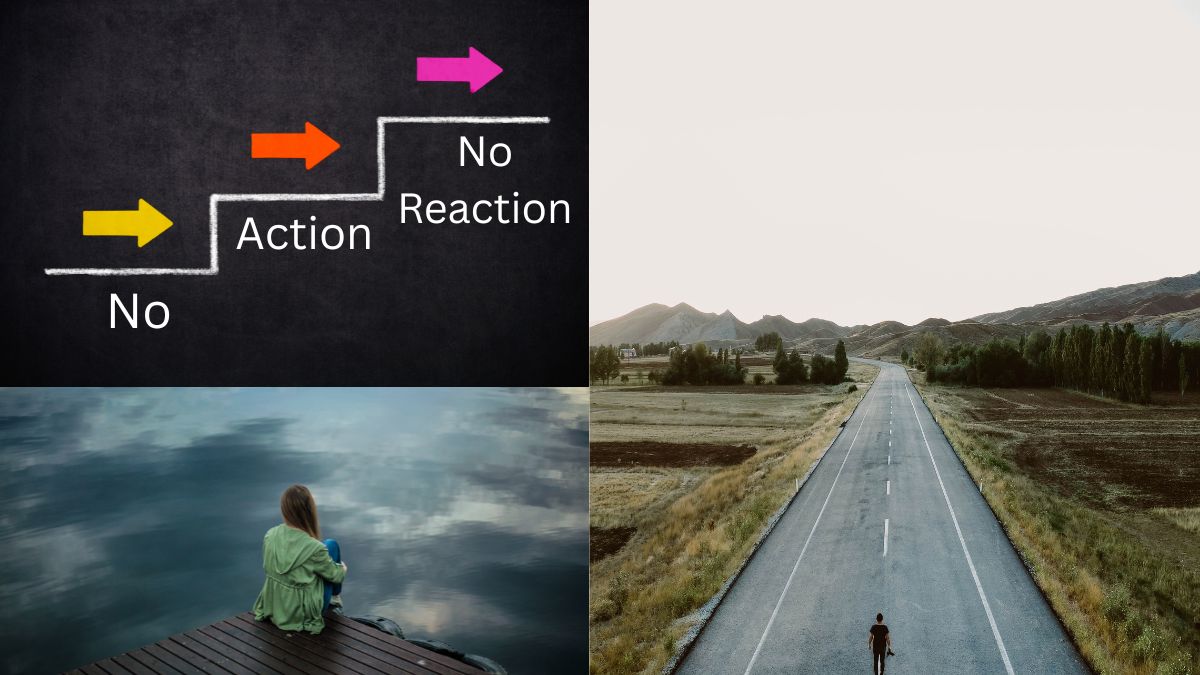
Another overlooked habit is saying “yes” to everything. The difficulty of setting boundaries can lead to emotional exhaustion, burnout, and increased anxiety. It is important to decline commitments respectfully and take care of our well-being first in relationships and not to add unnecessary stress.
Negative self-talk can also serve as a small way to reinforce anxious thinking. Constantly critiquing yourself or expecting perfection leads to unrealistic standards and is hard to reach. Mental health professionals promote self-compassion by acknowledging that mistakes are part of life and that learning is the most important part of life (learning and not perfection).
Excessive exposure to negative news can also exacerbate anxiety. Although being informed is important to keep up with news and keep up with the situation all day long, continuously consuming distressing headlines throughout the day may increase feelings of helplessness. News consumption should be restricted to reliable sources at specific times to maintain a healthier balance.
Experts stress that anxiety is a normal human emotion. But if anxiety remains persistent, is affecting work, relationships, education, sleep, or day-to-day life, it might be helpful for a mental health specialist to follow up. Therapies (therapy, lifestyle changes, stress management techniques, and medication) can help manage anxiety disorders based on evidence.
Healthier habits don’t require overnight change. Subtle, long-term improvements such as quality sleep, eating a balanced diet, working out frequently, not wasting time on screens, being mindful, and keeping oneself in social circles will help build resilience and emotional well-being to a better level. The aim is not to eliminate stress but rather to develop healthier methods for dealing with life and the difficulties that will come along with it.
Mental health is inextricably linked to everyday choices. By being more cognizant of routines that can contribute to anxiety and replacing them with a healthier lifestyle, one can make tangible changes that will be beneficial to a calmer, more balanced, and emotionally healthy life.







Comments
Leave a Comment