Getting a blood test and seeing normal results can certainly feel reassuring. But does a normal blood test mean that cancer has been completely ruled out?
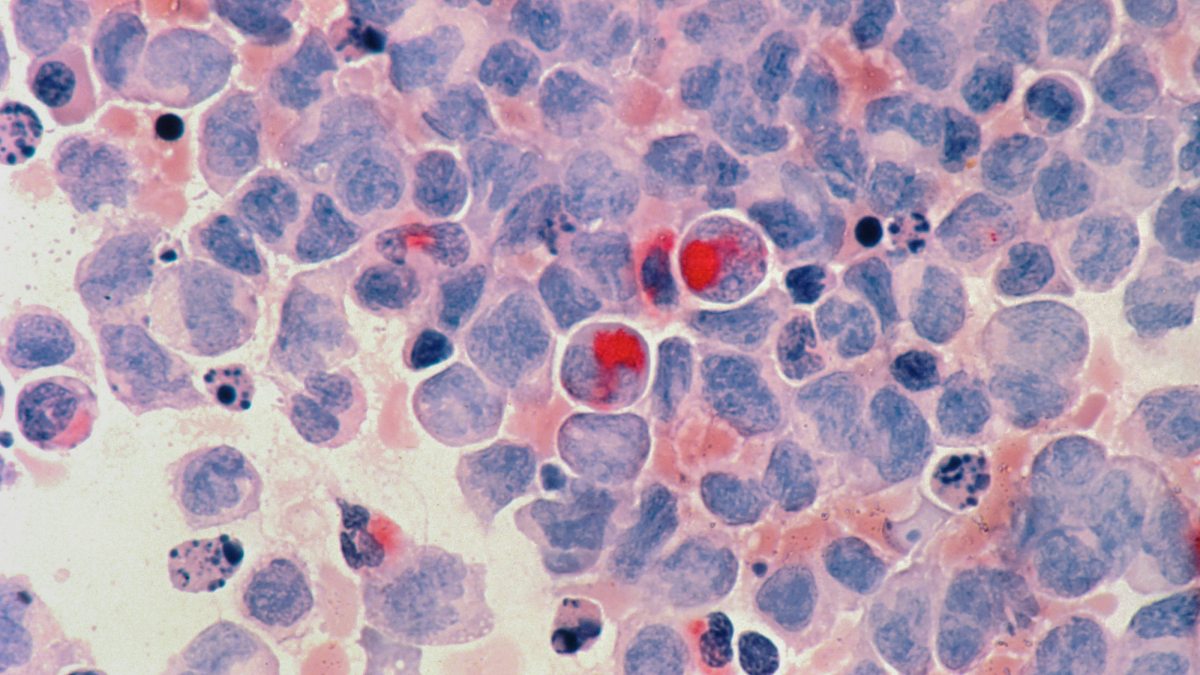
Doctors say that blood tests can provide valuable information about the health of a person, but they cannot diagnose all cancers. And in many cases a person can have cancer even if routine blood tests suggest that the cancer is within the normal range. There is no single test that is suitable to diagnose cancer, the National Cancer Institute says. Doctors may use a mixture of medical history, physical examination, blood tests, scans and sometimes biopsy.
This does not mean that normal blood test results should be ignored or that everyone with normal results should worry about cancer. Most people with normal blood tests do not have cancer. Blood tests are only one part of the bigger picture.
A routine blood test usually checks things like red blood cells, white blood cells, platelets, blood sugar, electrolytes, liver function and kidney function. Cancer can affect these measurements, but others may not make noticeable changes in the blood, especially in their early stages.
Why do normal blood tests not always rule out cancer?
One common misconception is that cancer will always show up in a blood test. That is not true.
Some cancers can grow in one organ without drastically altering the blood count or routine blood chemistry. For example, a person may have a tumour that is still relatively localised and does not cause major changes in blood cells or organ function.
A complete blood count— often called a CBC— can help doctors to identify problems. It is especially helpful if doctors are investigating some blood cancers, such as leukemia. But a normal CBC does not rule out all types of cancer.
There are other blood tests called tumour marker tests. Such tests look for certain substances that can sometimes be associated with cancer. But even these tests have limitations. A raised tumour marker does not necessarily mean someone has cancer, and some people with cancer may not have a raised tumour marker. Doctors thus typically combine these results with other tests rather than using them alone.
And so doctors look at the whole picture instead of focusing on one test result.
If someone has symptoms that persist or get worse, a doctor may recommend further investigation even if their regular blood tests are normal. Depending on the symptoms, ultrasound, CT scan, MRI, mammogram, endoscopy or other appropriate tests might be needed.
In some cases, a biopsy may be needed. A biopsy involves taking a small sample of tissue and looking for cancer cells. A biopsy is usually the only way to confirm whether cancer is present, the National Cancer Institute says.
When Should You Talk to a Doctor?
Normal blood results should not lead to unnecessary fear, but they should not be used as a reason to ignore ongoing symptoms.
If a person has a symptom that does not go away, keeps returning or is getting worse, it is worth talking with a healthcare professional. The next step depends on the person’s symptoms, age, medical history and risk factors.
Symptoms such as an unexplained lump, unusual bleeding, unexplained weight loss, persistent changes in bowel or bladder habits, a long-lasting cough or unexplained pain can have many causes. They do not necessarily mean cancer. But a doctor may decide that more tests are needed to understand what is causing them.
Cancer screening is another important part of early detection. Screening is carried out in people who may not have symptoms and can help identify some cancers early. Different screening methods are used for different cancers. Mammograms for breast cancer, cervical screening for cervical cancer, and lung cancer screening is recommended for some people at higher risk.
It’s also important to understand that screening tests are not perfect. False negative results can happen, the National Cancer Institute notes, so a test may appear normal even if cancer is present. That is one of the reasons doctors look for symptoms and other risk factors, rather than relying on a single test.
Some new blood-based tests that look for signs of multiple cancers are also being studied. These tests are sometimes called multi-cancer detection tests. However, they are still being researched and a negative result from such a test does not mean the person does not have cancer. Regular recommended cancer screening is still important.
So if your blood tests are normal, that’s generally good news, but it isn’t a complete health certificate against cancer. Blood tests can give doctors valuable clues, but they are just one piece of the puzzle.
The best way to analyze the results is to talk to a doctor about the symptoms, medical history and other examinations. If something doesn’t feel right or a symptom remains, don’t assume that a normal blood test has ruled everything out. When cancer is detected, you need to seek care from a health professional.