
French astrologer and physician Michel de Nostredame, popularly known as Nostradamus, whose writings, published in his book Les Propheties in the 16th century, have been linked to many historical events, wars, disasters, and political changes, centuries after his death.
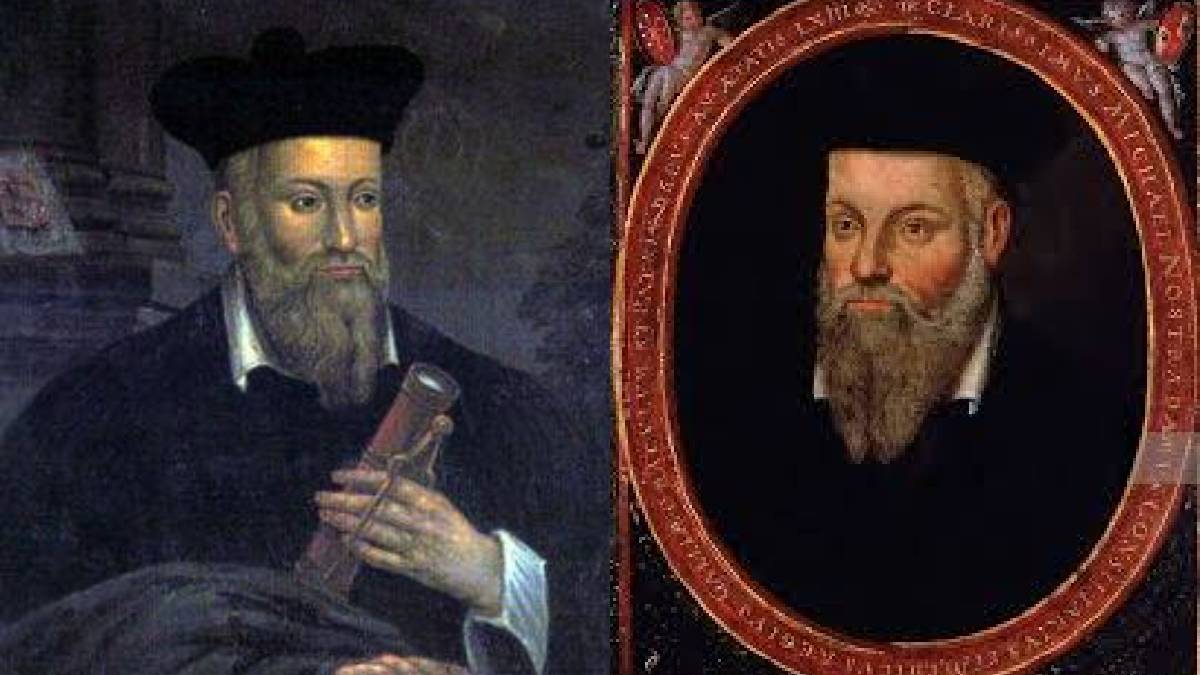
In the year 2026, several interpretations of Nostradamus’ verses appear on the web claiming that the famous seer predicted a series of disturbing events.
The most commonly discussed predictions are the death of a world-famous person due to lightning, a river turning red, possible global conflicts, and major environmental changes.
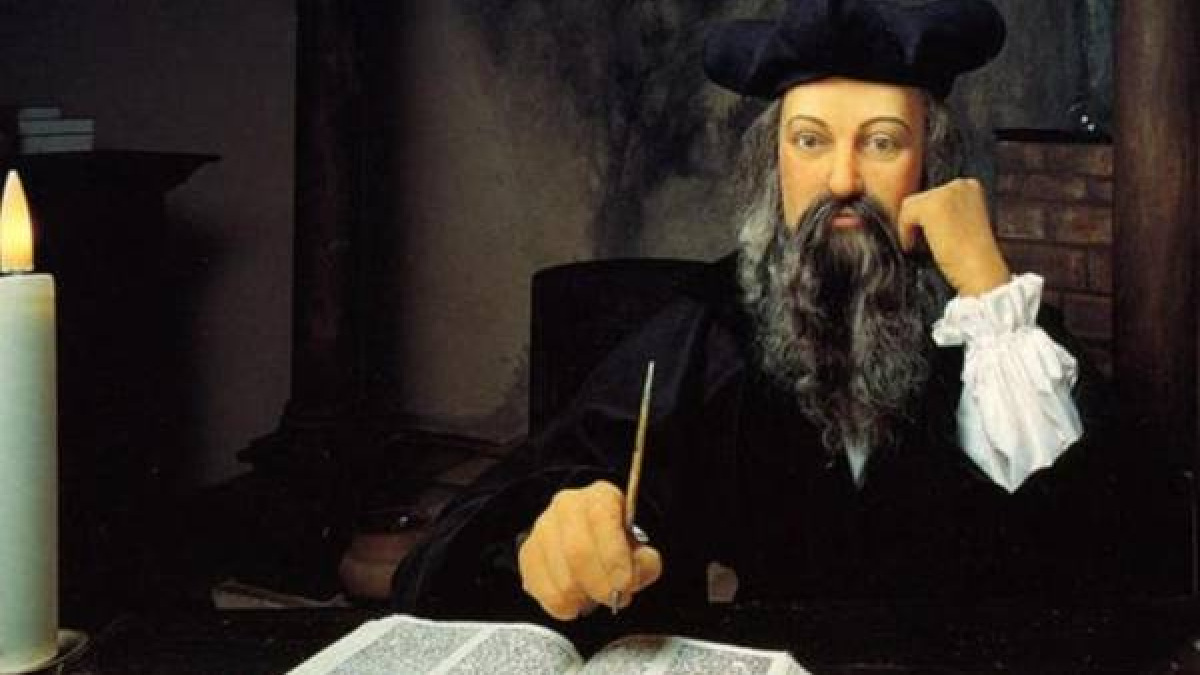

But historians and experts say Nostradamus’ writings are very vague and symbolic. There is no scientific evidence that his predictions can accurately forecast future events.
Who was Nostradamus
Michel de Nostredame was born in France in 1503. He was a physician, astrologer, and writer who became famous for his collection of 942 poetic predictions called Centuries. They were written in a very symbolic style that still opens them up to interpretation.
Over the years, people have claimed Nostradamus predicted events like the rise of Napoleon, World War II, the September 11 attacks, and other major events. But critics say these connections are often made after events occur.
The Four Most Discussed Nostradamus Predictions for 2026
1. A World-Famous Person Dying Due to Lightning
One of Nostradamus’ 2026 predictions that attracted much media attention is that a famous global figure could die in a lightning-related incident.
This prediction is based on his writings that also mention powerful figures and unusual deaths. Social media users have linked this to celebrities, political leaders, and influential personalities.
But Nostradamus never mentioned a person, a country, or a year. The connection to 2026 is based on modern interpretations rather than confirmed historical records.
2. A Country’s River Turning Red
There is another frightening prediction on the internet that one of the major rivers is going to turn red in 2026.
Supporters of this theory believe the prediction could represent environmental disasters, pollution, unusual natural events, or even symbolic references to conflict and suffering.
Scientists say rivers can sometimes turn red due to natural causes such as algae growth, mineral deposits, industrial pollution, or sediment changes. Such events have occurred in different parts of the world without any connection to prophecy.
3. Global Conflicts and Political Uncertainty
Some Nostradamus followers say his writings are suggestive of war, political instability, and world tension around 2026.
The prediction is usually based on his references to battles and conflicts between nations. Today’s geopolitical tensions have raised public interest in such interpretations.
Experts say that global conflicts are influenced by real-world factors such as diplomacy, economic conditions, resource disputes, and political decisions rather than ancient predictions.
4. Major Natural Disasters and Climate Change
Nostradamus warned of extreme weather and environmental problems, another popular interpretation of Nostradamus.
Many people have related the issues associated with climate change, rising temperatures, floods, storms, and wildfires to his writings.
Scientists have confirmed that climate-related disasters are increasing due to environmental changes, but there is no evidence linking them to Nostradamus' predictions.
Why are Nostradamus predictions popular again
The interest in Nostradamus usually increases when there is uncertainty. Economic problems, political conflicts, natural disasters, and fast technological advancements all make people look for answers about the future.
Social media platforms have also played a big role in spreading dramatic interpretations of historical texts. In viral posts, predictions can be presented as fact, even if the actual texts are not clear.
When and Where Did These Predictions Come From
Nostradamus’s original writings were published in France in the 1500s. The predictions for 2026 are modern interpretations shared worldwide through websites and social media.
There is no official document from Nostradamus mentioning the year 2026.
How should one view these predictions
Nostradamus’ writings are still a fascinating part of history, but experts suggest viewing them as cultural and literary works, not predictions.
The claims about 2026 such as a lightning-related death, a red river, and global disasters are speculation without scientific proof.
As the world moves toward 2026, this mysterious analysis is still stirring up debate and online discussions as Nostradamus’ centuries-old writings continue to be much discussed in many countries.



Comments