
Photography is more than taking pictures; it is a profound and enriching way for children to express thoughts and feelings, face the world and learn new things and develop life skills that will help them in life. In a smartphone camera, a good point and shoot, or a beginner DSLR that is easy to use, kids can learn to take pictures of beautiful things. And by doing so, they create a little bit of creativity and confidence in themselves and others when they see their own experiences come to life.
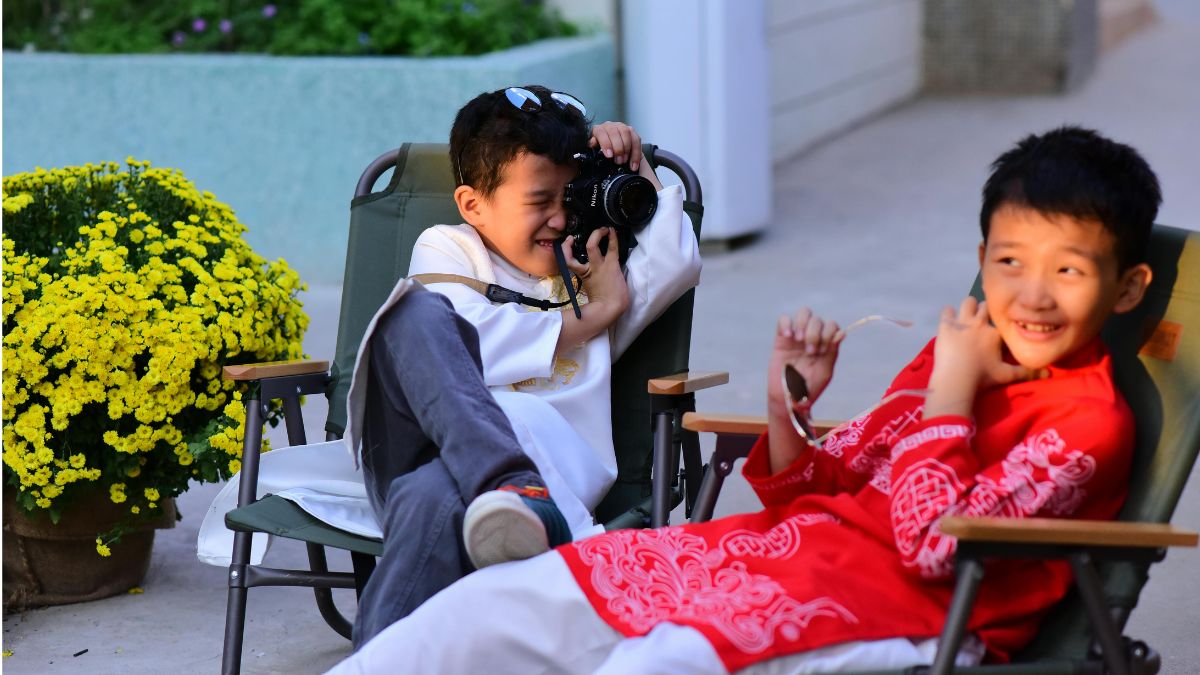
When they look at their surroundings through a camera, young photographers will start to see other people’s very little in their day-to-day life. From flowers blooming in the garden to the fun games played on a family hike through the park, to the silly antics of their pets, children get to practice their photography skills and have so much fun doing it.
Why photography is great for kids
Photography offers an array of benefits that go beyond the creation of aesthetic images. It can be a life-changing experience for children and teaches them important lessons and insights.
Encourages Creativity
Children have vivid imaginations and a natural inclination to creativity. Photography gives them a creative outlet for experimenting with colors, angles, lighting, and narrative storytelling with a variety of elements. Every picture they take tells a story and reflects their unique perspective and artistic vision. It is a creative process that nurtures them and encourages them to think outside the box.
Improves Observation Skills
The lens of a camera helps children observe more accurately and learn to look at more detail of the details (forms, textures, shadows, and patterns from the world and observe them). Learning to observe shapes, textures, shadows, and patterns and how to look around them helps them see things they don’t see. A camera lens will increase their observation skills. It’s that kind of attention to the beauty of everyday life that makes them very aware of the beauty in everyday life and that makes them more aware of the world.
Builds Confidence
The sense of accomplishment that comes with taking a good photograph is very emotional for children. They don’t just share their work with family and friends; they have to share it with their family and friends in order to build confidence in themselves and keep working on their skills. Each positive reinforcement fuels their passion for photography and pushes them to try new things.
Enhances Problem-Solving Skills
Photography is a complex activity, and children need to think critically and problem-solve. Choosing the right angle, lighting, and framing on their subjects all contribute to their analytical skills. These little but meaningful choices make children think critically and think of solutions in a creative way.
Creates Lasting Memories
Photography helps children document their lives in an important way. They can capture birthdays, family vacations, school events, the playful antics of their pets, and the trivial things of life at home. These photographs are memories they can look back on in the future and they are a nostalgic aspect of their childhood.
Getting Started with Photography
The beauty of photography is that children don’t need expensive or complicated equipment to start their photographic journey. The most accessible options are there that will allow them to get involved in this art form, like:
- Smartphone cameras (with proper supervision)
- Kid-friendly digital cameras designed for young users
- Compact point-and-shoot cameras that are easy to handle
- Instant cameras that provide immediate gratification
- Beginner mirrorless or DSLR cameras for older children ready to step up
- And so the most crucial tool in photography is curiosity and an eagerness to explore, not money in photography but curiosity
Easy photography tips for kids
For kids, the most basic photography tips might help to improve their skills and have fun as well.
Learn the Rule of Thirds
Let us introduce the Rule of Thirds concept in which the frame is divided into nine equal parts by two horizontal and two vertical lines. Placing the subject at the junction of these lines frequently leads to more attractive and balanced photographs.
Keep the Camera Steady
To avoid blurry images, children should take pictures with both hands in order to be able to make sure that the camera is held in both hands at the same time. Young children can lean against a solid surface and use a small tripod to stabilize their shots, ensuring clarity in their images.
Use Natural Light
Tell kids to experiment with natural light, as morning and evening sunlight tends to produce soft, more flattering images, more beautiful than the harsh brightness of midday sun. They will see the magic of light and how it changes the mood of a photo.
Get Closer
Encourage children to be physically closer to their subjects instead of relying on digital zoom.
Try Different Angles
Photos from different angles are much more captivating. Encourage kids to kneel down, look up, or photograph from the side rather than always shooting from eye level. This exploration can lead to creative and dynamic images.
Fun Photography Activities
Fun photography-related activities can help to develop a love for the art form and encourage exploration and creativity. Here are some enjoyable suggestions:
Nature Scavenger Hunt
Make a list of things children can photograph during a nature walk. Some examples might be:
- A butterfly in flight
- A vibrant yellow flower
- A bird perched on a branch
- Something perfectly round
- A cloud with a whimsical shape
- A tree showing off interesting bark patterns
Outdoor adventure meets photography in this activity.
Alphabet Photography
Challenge children to find objects that resemble each letter of the alphabet, culminating in a creative A-to-Z photo collection. This activity encourages them to think creatively and observe their environment more closely.
Color Challenge
Every day choose a color and let kids take photos of everything that matches it. This not only enhances their observation skills but also sparks their creativity as they seek out colorful subjects.
Storytelling Through Pictures
Invite children to capture a series of five to ten photos that tell a coherent short story, such as making breakfast, playing with a pet, or planting flowers in the garden. This exercise promotes narrative thinking and helps them understand the power of visual storytelling.
Basic Camera Care
Teaching children how to care for their photography equipment is just as important as the technical aspects of photography itself. Some simple habits to instill are:
- Always carry the camera using a strap to prevent accidental drops
- Keep lenses clean with a microfiber cloth to ensure clear images
- Store the camera in a protective case when not in use to prevent damage
- Avoid using the camera in heavy rain unless it is specifically designed to be weather-resistant
- Handle all equipment gently to prolong its lifespan
Instilling these habits not only helps cameras last longer but also fosters a sense of responsibility in young photographers.
Safety Tips
While photography is a delightful pursuit, it’s essential to prioritize safety.
Remind children to:
- At all times watch for their surroundings to keep an eye on their surroundings
- Never enter roads or dangerous places to take a picture
- Before taking pictures of strangers, ask them for permission to respect their privacy
- Look at wildlife from a safe distance to not disturb the animals
- Follow the directions of parents or teachers during photography trips to ensure a safe experience
Encouraging Growth
Parents and teachers can certainly assist young photographers. Organizing mini photo contests, creating family photo albums, printing their favorite pictures, or displaying them prominently at home can provide positive reinforcement. That encouragement helps children develop their skills and not feel that they need to work hard to be perfect.
Photography is also a gateway to many educational opportunities. It introduces kids to the concepts of storytelling, science, art, and technology; it is a multidisciplinary activity. And as they learn composition, lighting, editing, and visual communication skills, they naturally learn how to do it in a way that is appropriate for a young learner to develop them.
In summary, photography is a wonderful hobby for children (in addition to allowing kids to express creativity) and allows them to develop patience, observation, and self-confidence in a way that is also beneficial for keeping good memories. With a little encouragement, lens in hand, and a camera of any kind and an open heart, children can learn something new about the world around them and see everything they see and interact with. Every click of the shutter is a chance to learn something new, to express their imagination, and to take pictures that will last a lifetime. Whether they are documenting the beauty of nature, family fun time, playtime with family members, or the everyday joy in life, young photographers get the chance to learn valuable skills while enjoying the beauty around them.






Comments