Short videos are now one of the most popular entertainment formats. All day long, millions of people spend hours looking through Instagram Reels or YouTube Shorts or any other quick video website.

What could be an innocent habit of looking at a few minutes could turn into an hour-long scrolling cycle.
But the brain, emotions and physical health are still affected, experts say.
Reels are the reward system that is one of the major mechanisms that affect the brain through which Reels act.
With every video you watch, dopamine release, a chemical associated with pleasure and motivation, is produced dopamine is an addictive process to the brain.
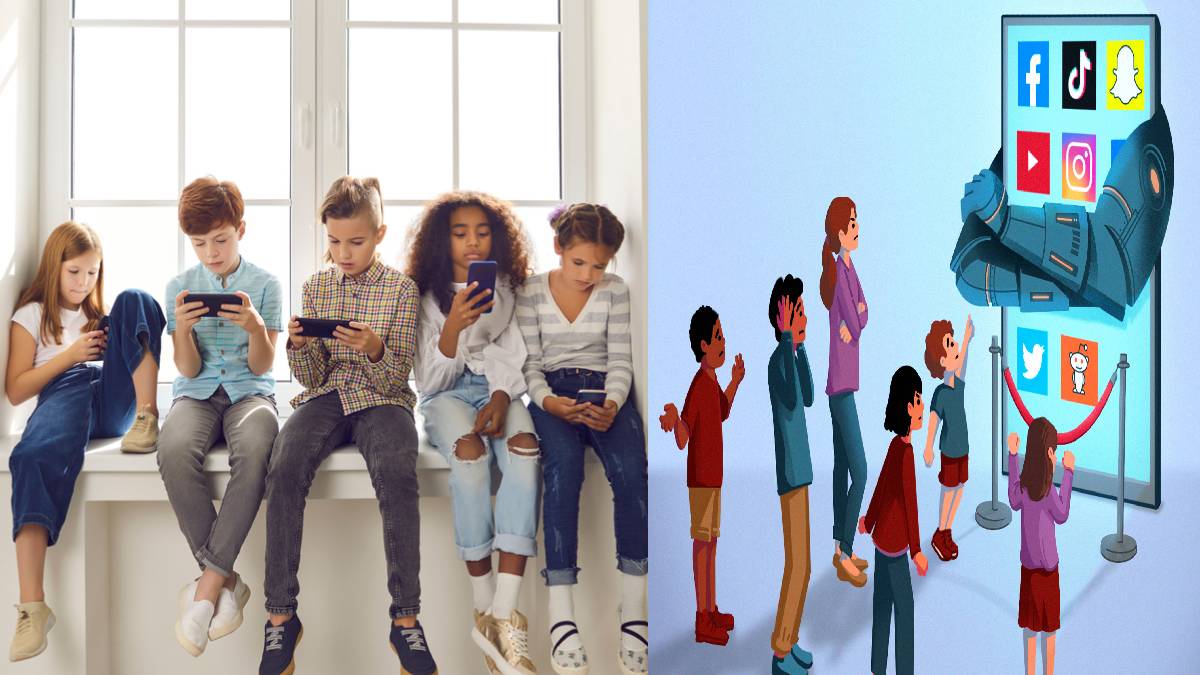
Short videos are so unpredictable that the brain is always hungry for something new and interesting with every swipe, and it is easy for users to take on the new video but not always to get bored with slower and more demanding activities.
With repeated fast-paced content, attention and concentration will also be affected.
Because short videos provide information in seconds, the brain slowly adapts to sudden changes in visuals and topics and quickly adapts to fast changes in content.
That’s when reading, studying, or doing long tasks feels more difficult because they don’t feel so much like scrolling through a series of videos like a video feed and then watching more videos and watching more videos and not seeing a real image of the future because they are so slow.
Psychological impact excessive
Reels consumption
Social media platforms often depict people’s lives with the most edited versions of achievements, travel experiences, appearances, and personal milestones.
And if you compare yourself to these online images, you will feel inferior, at risk, or at some point will lose confidence or at least feel ashamed.
For some users, the pressure to appear attractive, have followers, and get likes is too much for them and all they want to do is show off.
A bad habit of scrolling is just as harmful for health. When you’re sitting in a phone dependent environment for long periods of time, you’ll be less mobile and have poor posture, neck pain, back pain, and eye strain.
People who stare at a screen for hours all day get tired eyes and headaches and feel they can’t move.
The psychology of sleep is affected
Smartphones work late at night and can disrupt the body’s natural sleep cycle.
The light from screens can reduce melatonin production, and engaging videos can keep the mind busy while we should be in the midst of rest.
Poor sleep quality can also result in low energy levels, mood swings, less focus, and less productivity the next day.
Reels’ negative effects don’t mean you have to ignore social media completely. You can do things that are very simple to keep screen time within a reasonable limit don’t use your phone before sleeping and don’t respond to unnecessary notifications, and spending more time in the gym and other physical activities, hobbies, face-to-face interactions, and out-of-the-house activities can help you balance out.
When done right, social media can also provide entertainment, information, and connection.
The problem is when screen scrolling becomes automatic and starts replacing important daily activities.
So when you’re more aware of your screen habits and motivated to get to work and make choices to be active, people can enjoy digital content without it taking up time, attention, and overall health.